Watch A Celebration of Hope in streaming IPTV
A Celebration of Hope
Overview
A film poem in four parts following the first four days after Algeria's independence in 1962. Footage of the nationwide celebrations is intercut with footage shot among the fighters of the Algerian Army of National Liberation, refugees exiled to the mountains of Tunisia and Morocco, and ordinary people from the towns and villages of Algeria.
Genres
Similar titles
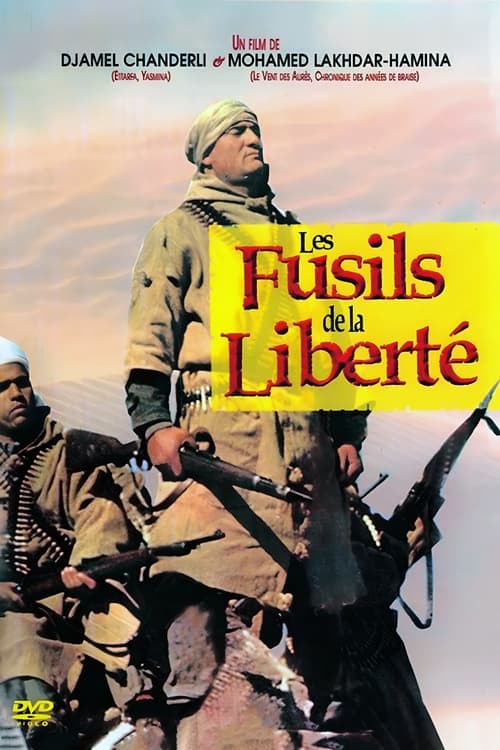
Guns of Freedom
This docu-fiction recounts the difficulties overcome by an ALN detachment whose perilous mission is to transport weapons and ammunition from Tunisia across the Algerian Sahara during the Algerian liberation war (1954-1962) against the French army of occupation.

Pierre Clément, Cinéma et Révolution
Pierre Clément, student and photographer of René Vauthier, first accompanied him to Tunisia to make a film on the country's independence in 1957. Destiny led him to Algeria and his presence in February 1958 at the Tunisian-Algerian border changed his life. . Forever. He took his camera and photographed the attacks on Sakia Sidi Youssef before committing himself body and soul to the Algerian cause. Shortly after, he directed the film “Algerian Refugees” before being arrested, tortured and imprisoned, while his third film, “The National Liberation Army in Almaki”, was not finished. Abdel Nour Zahzah, a director who commemorates Pierre Clément, the director who risked his life, the brother of the Algerian resistance, who disappeared in 2007.

Brothers in Arms
From 1954 to 1962, during the Algerian War, French citizens provided concrete assistance to the FLN in France: sheltering refugees, forging documents, facilitating border crossings, and transporting funds. Whether committed to the ideals of the Republic or driven by Third Worldist revolutionaries, they sought to build a bridge of friendship between nations. They paid for their commitment with imprisonment and exile. Four veterans of the Jeanson network recall this period. Today, they are no longer seen as traitors or heroes, but as witnesses recounting "their" war... Silent for 30 years, the "Jeanson network" now bears witness to this history.
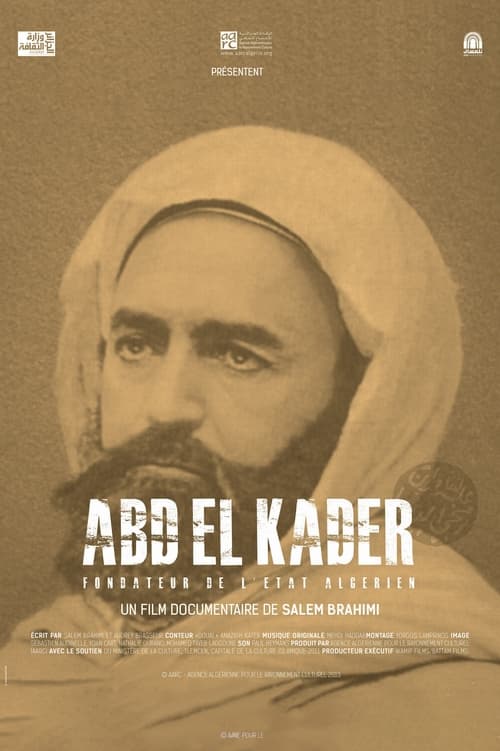
Abd El-Kader
Illustrated with archival photographs, animations and live action, this film explores the history and historical and spiritual heritage of Emir Abd El-Kader. Algerian leader of the 19th century, was admired by Abraham Lincoln and celebrated to this day by the Red Cross as a great humanitarian. Emir Abd el-Kader, the man who challenged the French armies from 1832 to 1847 before creating the bases of a real Algerian state, is today considered by independent Algeria as one of the most outstanding figures. of its history. The nobility of his attitude after his capture and the very effective protection he brought to the Christians of Damascus at the end of his life also earned him great prestige among his former adversaries. A documentary told in dialectal Arabic by the voice of Amazigh Kateb.

Daniel Ali, a rebellious schoolteacher in colonial Algeria
In 1954, Daniel Vérin, a young schoolteacher of Algerian descent, made a radical decision: he turned his back on colonial France and joined the Algerian insurgents. He enlisted in the FLN, then the ALN, and became "Ali," a soldier in the struggle for independence. At the end of the war in 1962, he became an Algerian citizen. But the long-awaited independence did not bring Ali the taste of victory. On a scholarship, he went to study in the United States. Upon his return, the Algerian administration forbade him from entering his homeland. Rejected by the country he had defended, he obtained American citizenship in 1969. Condemned by France for his activism and ignored by Algeria for more than forty years, Ali was not officially recognized as a mujahid, a fighter of the Revolution, until 2004.
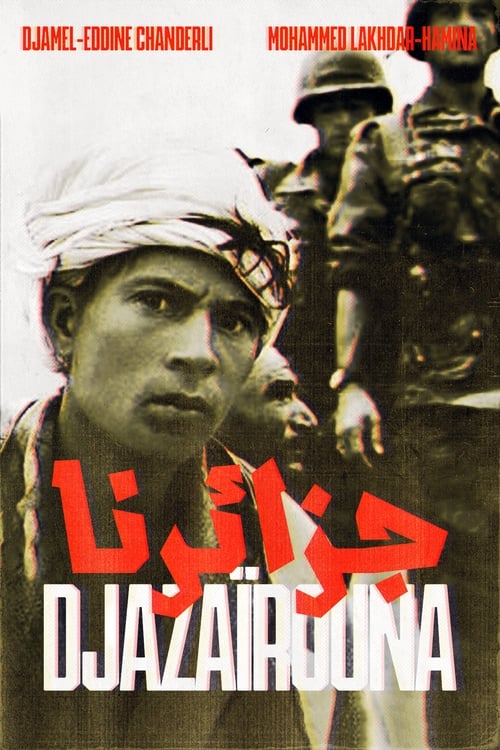
Our Algeria
"Djazaïrouna", produced by the cinema service of the Provisional Government of the Algerian Republic (GPRA), is a montage film intended to inform the international community at the UN in 1959 on the objectives pursued by the Algerian resistance during the war of 'Algeria. Independence in Algeria (1954-1962). In 1959, Djamel-Eddine Chanderli and Mohammed Lakdar-Hamina produced Djazaïrouna (Our Algeria) from images taken by René Vautier and Doctor Pierre Chaulet. This film, completed a little later and will result in the film “The Voice of the People”. This documentary on the history of Algeria through a montage of current events, traces the political and military actions of the A.L.N, the demonstrations of December 1960, and the attack on a fortified French base on the border between Algeria and Tunisia.
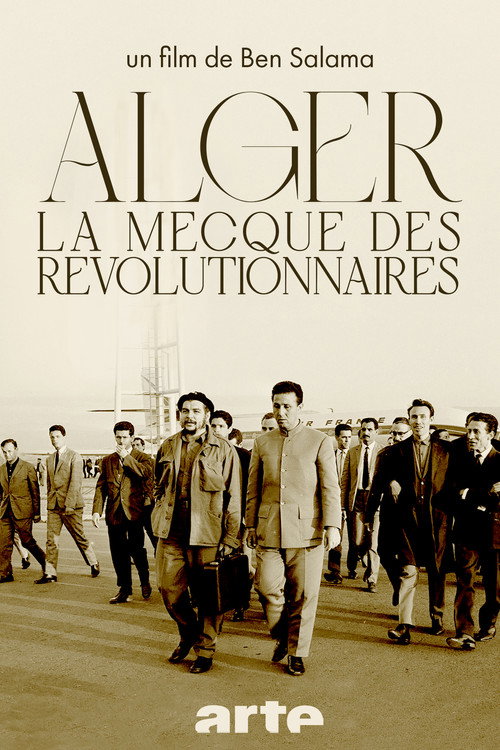
Algiers, the Mecca of Revolutionaries (1962-1974)
From the early 1960s to the mid-1970s, independent Algeria provided significant support to anti-colonial movements and revolutionaries worldwide. Successive presidents, Ahmed Ben Bella and then Houari Boumédiène, made Algiers a haven for activists fighting against colonial and racial oppression. Algiers the White became Algiers the Red. The internationalist Che Guevara established his base of operations there for his guerrilla activities in Africa. The African-American leader Eldridge Cleaver made it the international headquarters of the Black Panther Party. During this period, Algiers was known as "The Mecca of Revolutionaries."
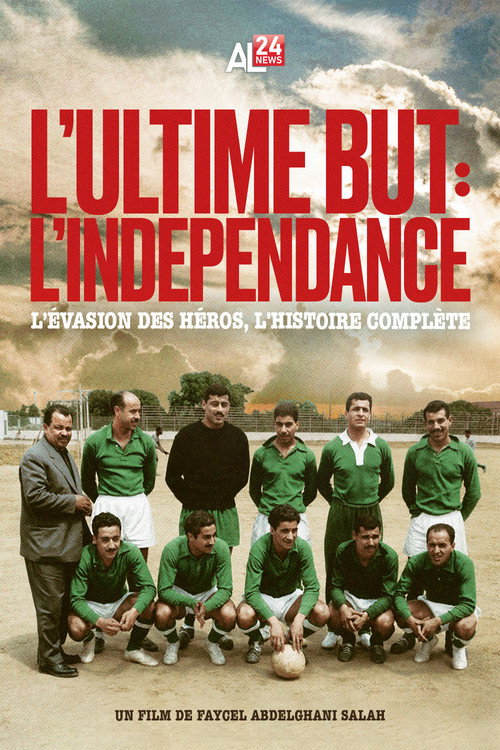
The Ultimate Goal: Independence
Delve into the story of the Algerian footballers who traded European pitches to join the fight for independence. In 1958, in the midst of the War of Independence, talented players secretly left their clubs to form the FLN team – a living symbol of the Algerian people's struggle. This clandestine team, banned by FIFA, served as a mouthpiece for the Algerian provisional government until 1962. Footballer Rachid Mekhloufi explained: “This departure of the best Algerian players playing in France was no accident. With the control of the media, few French people knew what was happening in Algeria. The FLN representatives in France were ahead of the curve in terms of publicity. Truly ahead of the curve, because a move like this allowed the French people and the rest of the world to open their eyes.”
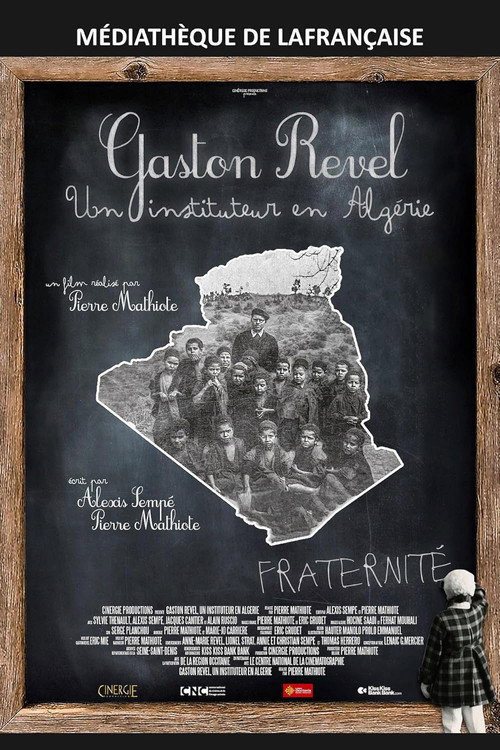
Gaston Revel, a schoolteacher in Algeria
In 1936, Gaston Revel entered the École Normale in Algiers, where he was supposed to learn how to "educate the native." It was also during this time that he began to take an interest in politics: he was drawn to the Popular Front, then to Spanish anarchism, and finally to communism. From 1940 to 1955, he taught in Algeria, first in rural areas, then in Bejaia. He returned to Europe because of the war and landed in Provence in September 1914, following the Allied advance. It was in Bejaia, in 1945, that he became fully committed to the Algerian Communist Party: in 1953, he ran for municipal office in the second electoral district (reserved for Algerians) and sat alongside the Muslims. In 1955, at the beginning of the war, he was forced to leave Algeria against his will. But, like thousands of other "red feet," he returned there in 1962 and resumed his teaching career. From all those years, he left a complete and deeply committed record, many letters, notebooks, and newspaper articles.
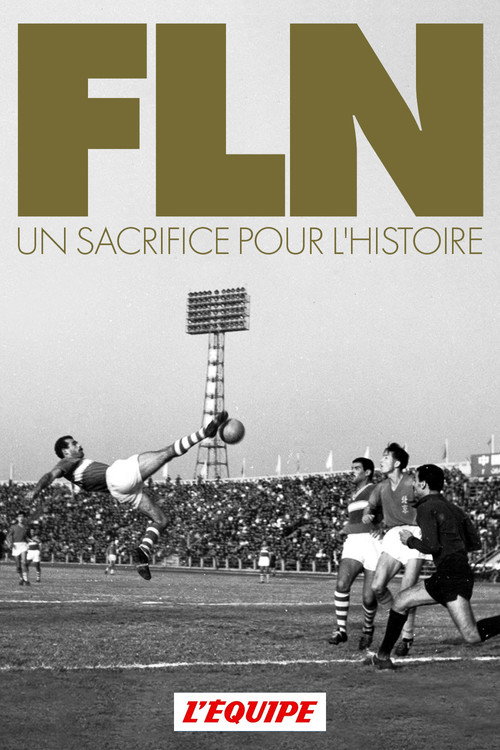
FLN, A Sacrifice for History
In 1958, in the midst of the Algerian War and two months before the World Cup, the French Football Federation (FFF) discovered on April 15th that nine of its players of Algerian origin had secretly left France to join the headquarters of the National Liberation Front (FLN) in Tunis, where the Provisional Government of the Algerian Republic (GPRA) was based. They chose to leave everything behind—careers, fame, money—to support the FLN cause: the independence of the Algerian people. Their daring escape was worthy of a thriller and made headlines across the international press. For four years, the FLN team toured the world and became the standard-bearer for a people. FIFA refused to recognize the team and threatened federations that played against it with sanctions. Nevertheless, the team made a lasting impression with 57 wins, 14 draws, and 12 losses in 83 matches. Ferhat Abbas, president of the GPRA, told them, "You have gained ten years for the cause of independent Algeria."
Streaming IPTV FAQ
Can I watch this title through IPTV?
Availability depends on your IPTV provider and the rights included in your subscription. This page uses TMDB data for discovery and does not host video content.