Watch Narcotic Deaths in streaming IPTV
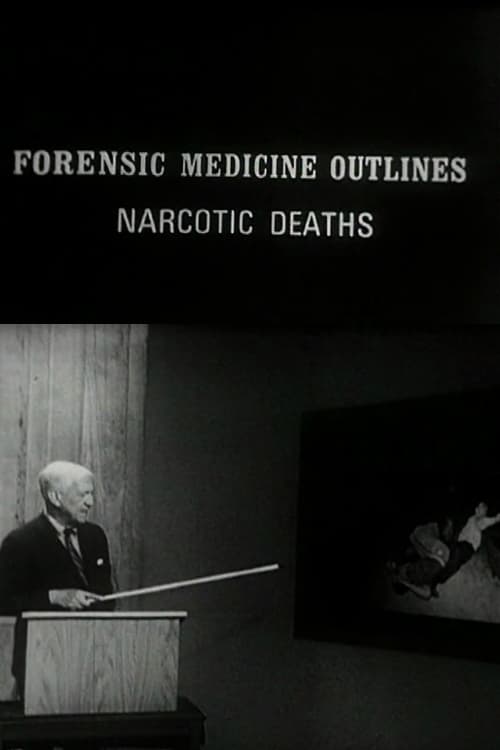
Narcotic Deaths
Forensic Medicine Outlines
Overview
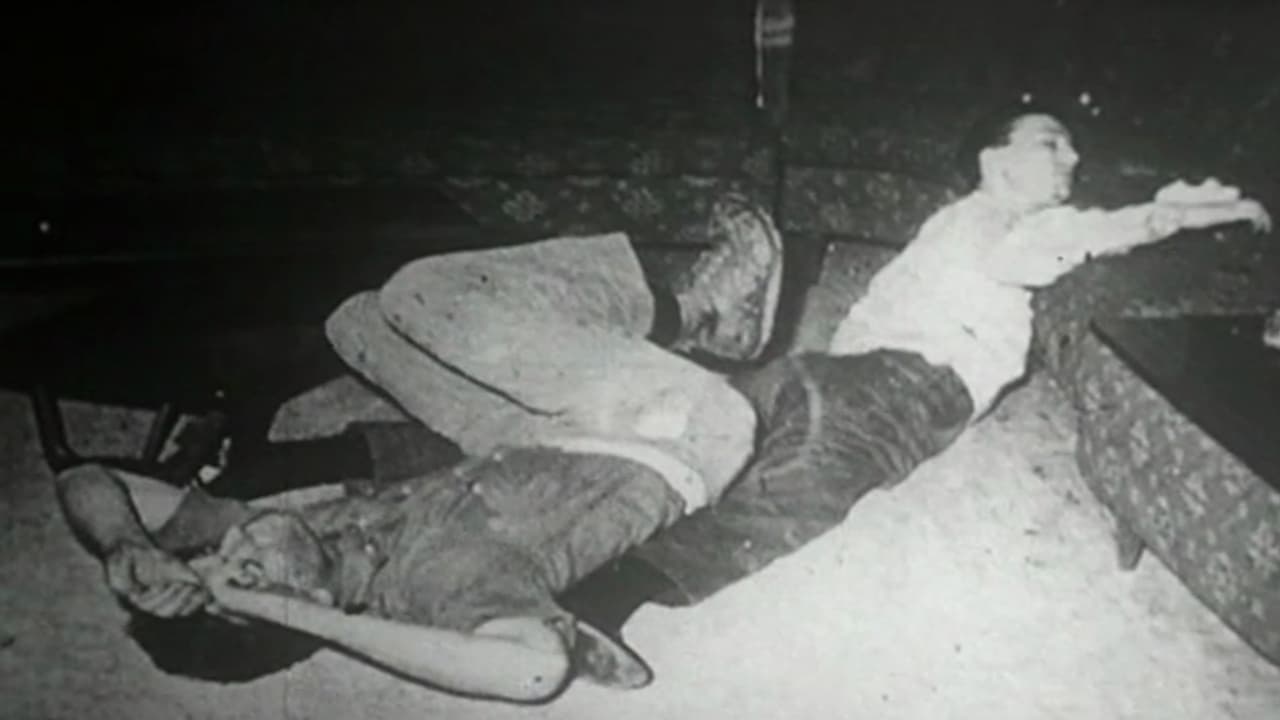
The purpose of this presentation is to discuss the types of narcotic deaths and drugs encountered by Dr. Milton Helpern in his post as Chief Medical Examiner for New York City and to describe internal and external body changes resulting from narcotism. This objective is achieved with the use of photographs of overdose victims and the equipment found and used by addicts. According to this presentation narcotic addiction which has been a problem for many years has increased markedly within the last twenty years. The use of amphetamines and marijuana is discussed briefly and the equipment used by addicts is described and illustrated. Dr. Helpern then shows photographs of overdose victims and describes the circumstances under which the body was found.
Genres
Cast
Dr. Milton Helpern
Similar titles
Run for Your Life!
He lived the junkie's life as a heroin addict. Triathlon transformed him. Biopic of the record breaking Ironman Andreas Niedrig.

HEROINOHIO
In the documentary, we follow twin brothers Mike and Chuck Rollins, former addicts who now work in addiction recovery. They know firsthand the struggles and vulnerabilities of addiction, as well as the challenges of reintegrating after treatment. For many addicts, returning to neighborhoods plagued by drugs and abandoned houses that serve as drug dens makes relapse almost inevitable. Through their nonprofit, Gemini Reliance, the Rollins brothers purchase dilapidated homes and transform them into safe, sober living spaces for those in recovery. Their efforts have proven effective, yet sobriety remains a constant battle. The story of HEROINOHIO begins as a profile of these two brothers but soon unfolds into a raw account of a fight against the powerful grip of addiction, revealing the relentless resilience required to reclaim one’s life.

I forgive you, Mama
Maya is Ayaibex's daughter, an addict in recovery that feels a blame for damages that caused her daughter, Maya decides to remember her mother's childhood experiences in her world of addiction to seek the redemption of the weight that her mother has loaded for 20 years and get both to forgiveness.

Dig!
A documentary on the once promising American rock bands The Brian Jonestown Massacre and The Dandy Warhols. The friendship between respective founders, Anton Newcombe and Courtney Taylor, escalated into bitter rivalry as the Dandy Warhols garnered major international success while the Brian Jonestown Massacre imploded in a haze of drugs.
Obesity: The Post Mortem
Documentary revealing just how dangerous too much fat is to our most vital internal organs. The programme follows a specialist pathology team as they conduct a post-mortem on the body of a 17-stone woman whose body was donated to medical science. Their findings, as they dissect the body and its organs, are startling, exposing the devastating impact of obesity with stunning visuals and fascinating medical facts. Morbid obesity reduces life expectancy by an average of nine years and is blamed for over 30,000 deaths in the UK every year. With 65 per cent of people already overweight or obese, this extraordinary film is a powerful contribution to the debate about fat, food, lifestyle and how the health service will cope with the growing obesity crisis.
Nightcrawlers
For five years, Stephen McCoy documented street life in Boston. This is what he captured.

Without Bias
The late Len Bias still leaves more questions than answers. When Bias dropped dead two days after the 1986 NBA Draft, he forever altered our perception of casual drug use and became the tipping point of America's drug crisis in the mid-80's. Future generations continue to face the harsh punishment of drug policies that were influenced by the public outcry after his heartbreaking death. Instead of becoming an NBA star, he became a one-man deterrent, the athlete who reminded everyone just how dangerous drug use can be. Amazingly, questions still linger about his death nearly a quarter-century later. How good could he have been in the pro ranks? Has he become underrated or overrated as the years pass? How could a University of Maryland superstar and Boston Celtics lottery pick be derailed by a cocaine binge? Was Bias a one-time user as we were led to believe, or was there a pattern of recreational use that led to his fatal last night? Did he fall in with the wrong crowd.
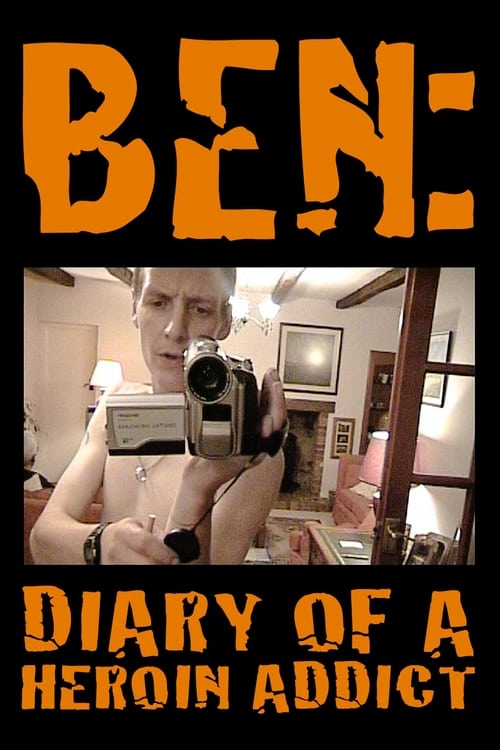
Ben: Diary of a Heroin Addict
Ben Rogers was a bright schoolboy from a loving, middle class family. He played in the orchestra, loved cricket and enjoyed the annual family holiday. But his future promise was halted when he started taking drugs in his teens. Early drinking led to cannabis, harder drugs, and then the revelation to his family, at the age of 21, that he was addicted to heroin. Over the next 13 years Ben and his family battled with his addiction, going through detox, rehab and attempts at 'cold turkey', but his health gradually declined. Whilst attempting another detox aged 34, he died from a brain haemorrhage. But during the last two years of his life, Ben filmed an unflinching video diary showing his final desperate attempts to come off heroin. It's a portrayal of his descent; intimate, raw, and at times difficult to watch, he talks to his glove puppet as he injects into a vein in his groin.

Hype!
This documentary examines the Seattle scene as it became the focus of a merging of punk rock, heavy metal, and innovation. Building from the grass roots, self-promoted and self-recorded until break-out success of bands like Nirvana brought the record industry to the Pacific Northwest, a phenomenon was born.
Parks and People: Dope
The transcript discusses the prevalent drug culture, particularly marijuana use, among youth in national parks. It highlights the perception that marijuana is less harmful than harder drugs and reflects on the challenges park rangers face in enforcing drug laws. While acknowledging the existence of drug trafficking, the narrative emphasizes that marijuana use is often seen as a minor issue compared to alcohol consumption or harder narcotics. The conversation also touches on the need for a more nuanced understanding of drug use, suggesting that current laws may be overly stringent and not reflective of societal attitudes.
Streaming IPTV FAQ
Can I watch this title through IPTV?
Availability depends on your IPTV provider and the rights included in your subscription. This page uses TMDB data for discovery and does not host video content.