Watch A Red Color Pencil in streaming IPTV
A Red Color Pencil
Overview
Wan-soon, a 9-year-old girl living on the island, managed to survive a massacre that took place 75 years ago. The lingering effects of this unresolved ordeal are emphasized, and the girl embarks on a journey to depict the vivid red fragments that remain in her memory, using a red colored pencil as her means of expression.
Genres
Similar titles

Jeju Prayer
Focusing on Mrs. Kang Sang-hee’s life, she lost her husband in the Jeju Uprising (March 3rd, 1948). The film views the dark-side of Jeju Island, a huge grave, which is completely opposite of the other side of the island, the famous tourist attraction. It says that the tragedy has been going on about the recent Gang-jeong village situation.
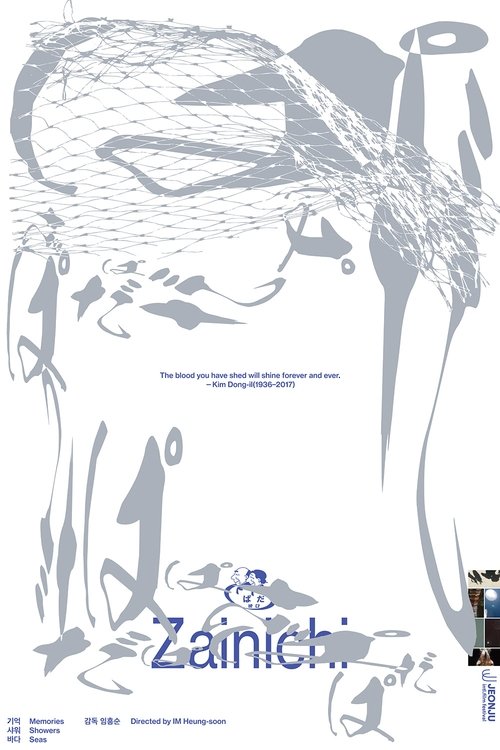
Memories Showers Seas
The late Kim Dong-il, a Jeju April 3 refugee in Japan, left behind over 2,000 crocheted items and pieces of clothing that preserved her memories, identity, and history. As the film traces the redistribution of her belongings, it illuminates the still-unhealed lives of various Zainichi Koreans who lived through the same era, sharing and connecting their intertwined memories.

Voices
In the turmoil of the Jeju 4.3 incident, Jeju Island witnessed the loss of an estimated 25,000 to 30,000 lives, with women constituting a significant yet often unrecognized proportion of the victims. This documentary illuminates the once-shrouded experiences of these women, led by a dedicated Jeju 4.3 researcher.
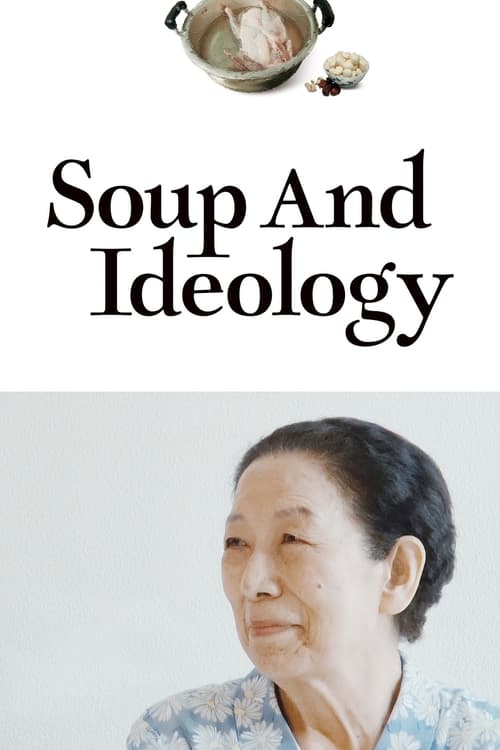
Soup and Ideology
Confronting half of her mother’s life—her mother who had survived the Jeju April 3 Incident—the director tries to scoop out disappearing memories. A tale of family, which carries on from Dear Pyongyang, carving out the cruelty of history, and questioning the precarious existence of the nation-state.
May•JEJU•Day
Immediately after liberation, an incident called 'Jeju Uprising' took place on Jeju Island, the Hawaii of Korea, under the control of the US military government. As a result, about one-tenth of the total population of the island at that time was sacrificed. The children who survived the massacre record the memories of that day in an animated film 70 years later.
없는 노래
없는 노래
Red Wave
In 1948, a red wave rose. From Yeosu to Busan, the filmmaker traces lives and memories layered along the sea. The Yeosu-Suncheon Incident erupted when soldiers stationed in Yeosu refused orders to suppress the Jeju 4·3 uprising, and many civilians were killed during the Rhee Syngman government's crackdown. After the Korean War began, the government branded National Guidance Alliance members as communists and carried out massacres nationwide. Beyond the killing sites in both cities lies the sea, along which state violence flowed from Yeosu to Busan.
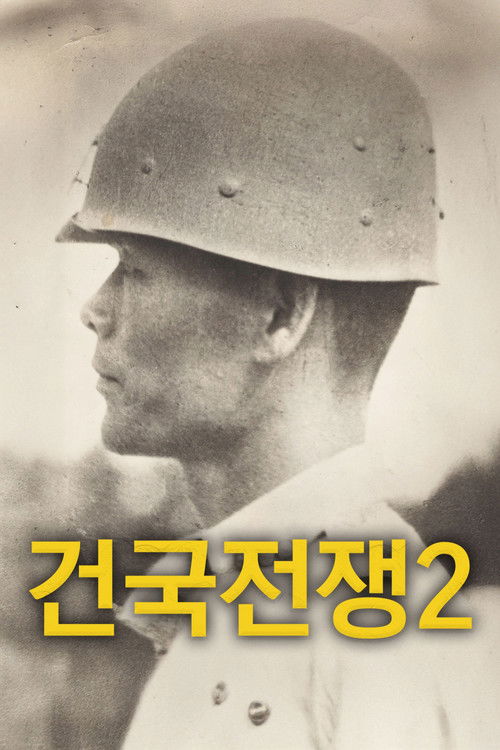
The Birth of Korea 2: Freedom Fighter
How did South Korea, after liberation in 1945 defend liberal democracy against leftist and communist forces? The door to that secret is now revealed.
The Shooters
The Shooters
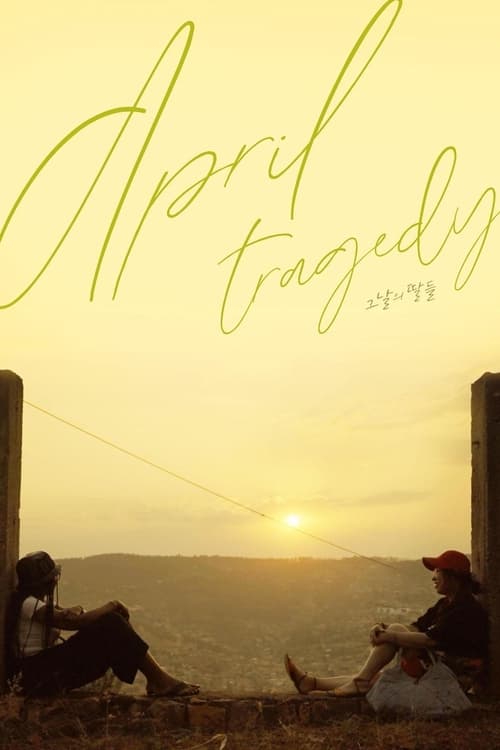
April Tragedy
The oral writer of the April 3 Uprising and a Rwandan who came to Korea to study face each other, have a conversation, and then go on a trip hand in hand. The two people, from different generations, nationalities, and occupations, have something in common: they are the daughters of massacre survivors.
Streaming IPTV FAQ
Can I watch this title through IPTV?
Availability depends on your IPTV provider and the rights included in your subscription. This page uses TMDB data for discovery and does not host video content.