
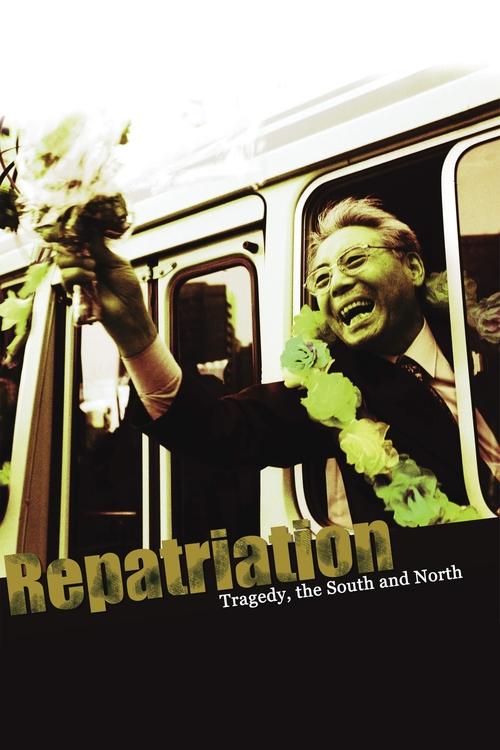
Watch Repatriation in streaming IPTV
Repatriation
Overview
In 1992, political prisoners from North Korea settled in the South Korean town where filmmaker Dong-won Kim lived. Sent to South Korea as spies during the war, they spent 30 years in jail. How did they endure the many years of torture? What will become of them now that they have been released? Twelve years in the making, Repatriation is a very personal view of a country divided by an ongoing cold war.
Genres
Similar titles
Shadow Flowers
Ryun-hee Kim, a North Korean housewife, was forced to come to South Korea and became its citizen against her will. As her seven years of struggle to go back to her family in North Korea continues, the political absurdity hinders her journey back to her loved ones. The life of her family in the North goes on in emptiness, and she fears that she might become someone, like a shadow, who exists only in the fading memory of her family.
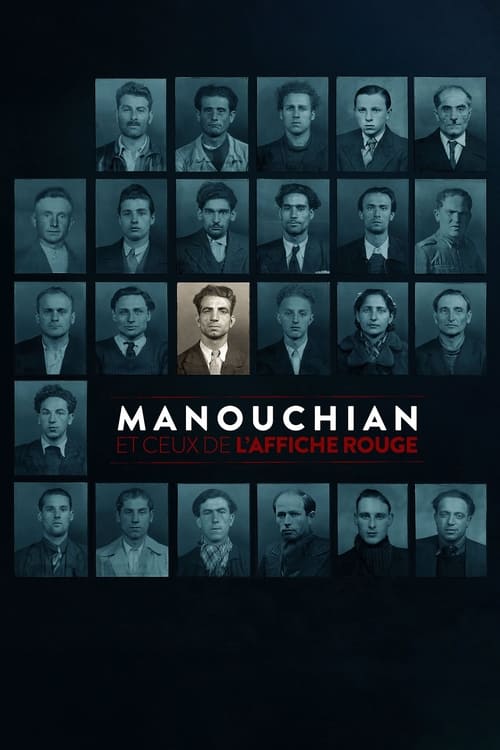
Missak Manouchian and the Red Poster
In February 1944, in a courtyard at Fresnes Prison, the Germans staged a spectacle to stigmatize a group of communist resistance fighters—all foreigners and mostly Jewish—who had been arrested a few weeks earlier. The propaganda aimed to discredit these fighters, portraying them as terrorists and criminals, even though they had managed to carry out numerous attacks against the occupiers in Paris. The red poster, plastered in thousands of copies across the country, would immortalize them in legend. They were subsequently executed at Mont-Valérien, near Paris. Missak Manouchian, the Armenian who led these fighters, now embodies this group in the collective memory as he is enshrined in the Panthéon, on behalf of all his comrades, 80 years after their execution.
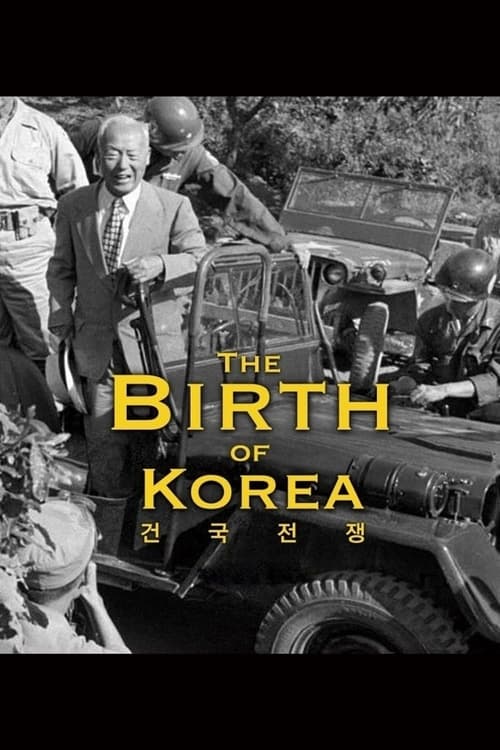
The Birth of Korea
Since South and North Korea's liberation in 1945, North Korea, a communist dictatorship that suppresses freedom and oppresses human rights, and South Korea, which has entered the path of economic prosperity and advanced countries based on freedom and democracy, have taken different paths. How did the two countries with the same language, history, and race, become divided into two extreme countries? A work that highlights the sacrifices and struggles of President Syngman Rhee and the first generation of founding members who worked to create and protect today's Republic of Korea over the past 70 years of history.
The People's Crisis
The real crisis in North Korea is not about its reclusive leaders or its nuclear weapons. It is about 24 million people living under the most ruthless system of political oppression ever assembled by humankind. The North Korean people have suffered through crippling poverty, humanitarian disasters, chronic food shortages, and a denial of even the most basic freedoms. This documentary offers a comprehensive overview of the North Korean people's crisis, feature interviews with North Korean refugees who have escaped, their journey to freedom, expert analysis, and insight into some of the grassroots changes happening inside the country.
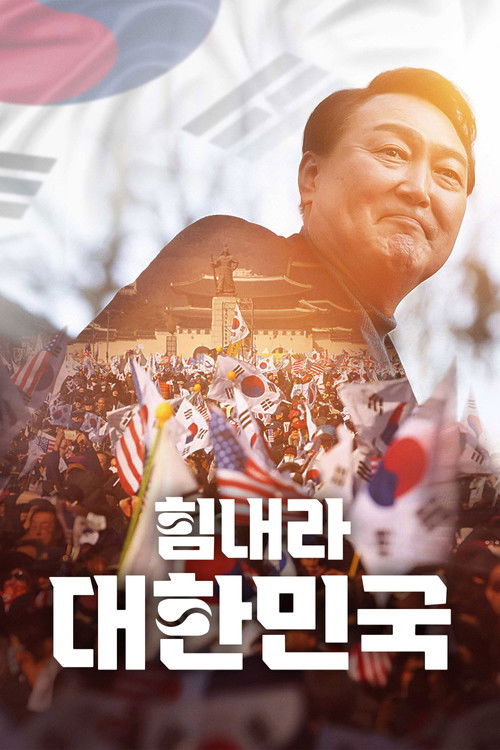
Cheer Up, Korea
Cheer Up, Korea
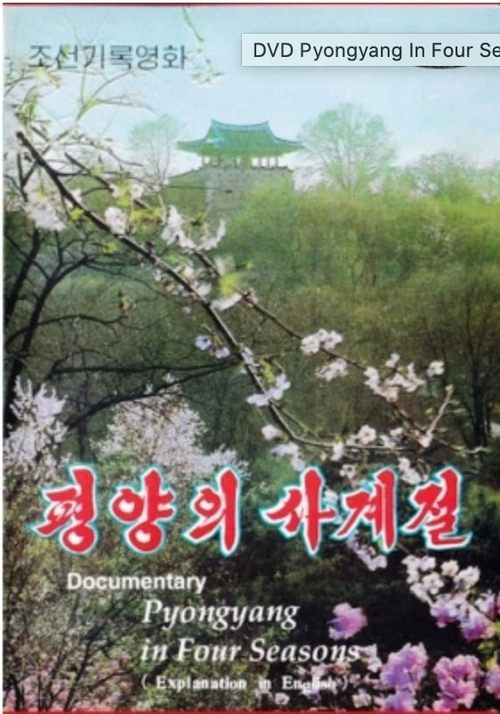
Pyongyang in Four Seasons
Pyongyang, a city full of happy people and flowers. A city of factories with smiling seamstresses and welders of locomotives. A city of power plants the illuminate department stores offering the fruits of the labour of its workers and peasants. Everybody spends their free time in sports palaces with synchronized swimming and white doves, or in the palace of cultures, where young pioneers play the accordion. Old men and women go on walks and young lovers rent boats by the river, above which arches a rainbow, a symbol of happiness and contentment.

Inside North Korea
Join National Geographic's Lisa Ling as she captures a rare look inside North Korea - something few Americans have ever been able to do. Posing as an undercover medical coordinator and closely guarded throughout her trip, Lisa moves inside the most isolated nation in the world, encountering a society completely dominated by government and dictatorship. Glimpse life inside North Korea as you've never seen before with personal accounts and powerful footage. Witness first-hand efforts by humanitarians and the challenges they face from the rogue regime.
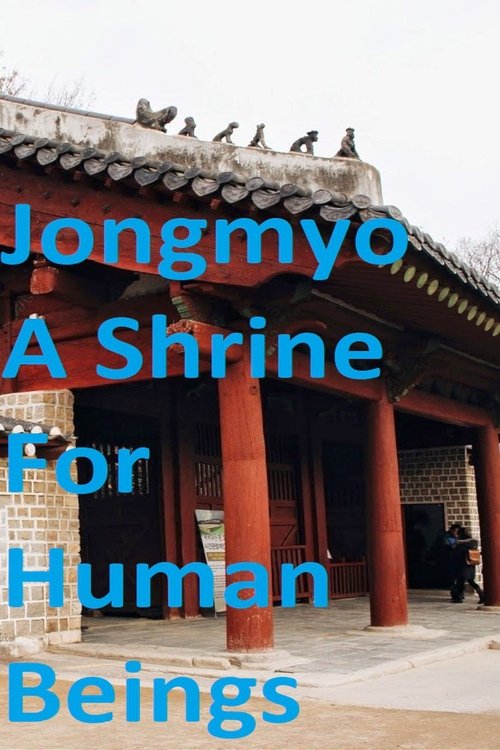
Jongmyo: A Shrine For Human Beings
Jongmyo is the royal ancestrial shrine of the Josecon Dynasty. Considered as one of the most sublime and moderate architecture of the Joseon Dynasty. Jongmyo was designated as World Heriage by UNESCO in 1995.
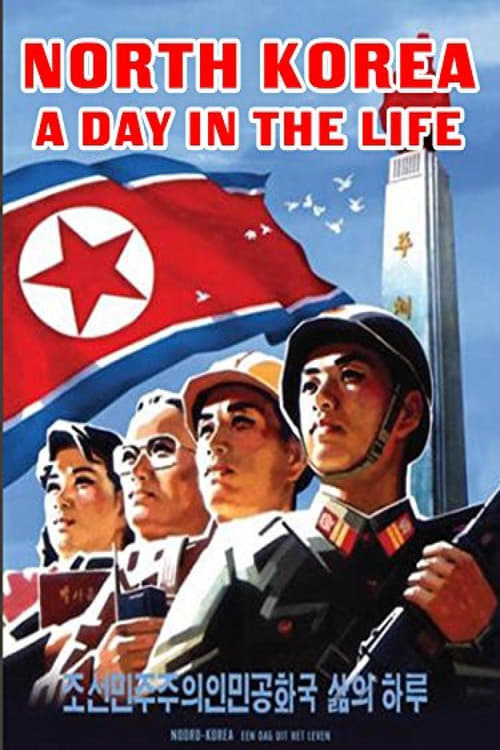
North Korea: A Day in the Life
If the cityscapes and patriotic anthems of this film seem a far cry from the bleak landscape of Seoul Train, that's no accident. Dutch filmmaker Pieter Fleury, with the full permission and cooperation of the North Korean government, created this propaganda film that gives us a glimpse of a day in the life of one of the world's most enigmatic societies. A Day in the Life, largely dictated by the North Korean film bureau, follows a typical North Korean family through their daily duties, largely dedicated to the pride in the North Korean nation of comrades and the glory of General Kim Jong Il. The film is meant to extol the success of modern North Korea. But does it? With straight footage and a total absence of narration, viewers may interpret Fleury's film in a slightly different manner than intended
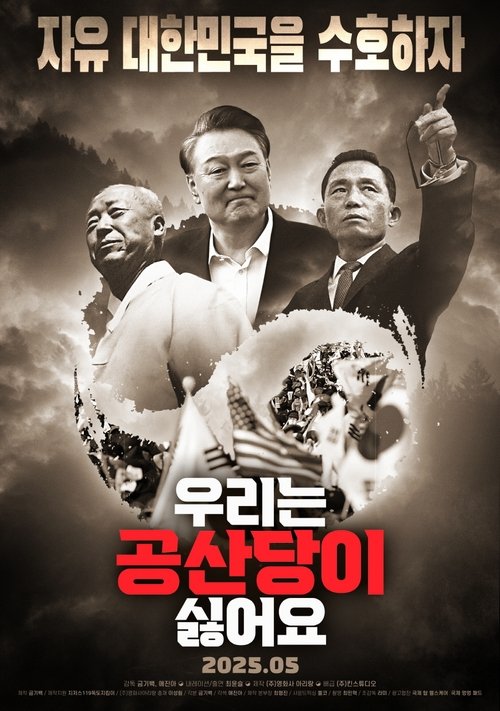
We Hate Communists
We Hate Communists
Streaming IPTV FAQ
Can I watch this title through IPTV?
Availability depends on your IPTV provider and the rights included in your subscription. This page uses TMDB data for discovery and does not host video content.