Watch The Land is the Culture: A Case for BC Indian Land Claims in streaming IPTV
The Land is the Culture: A Case for BC Indian Land Claims
Overview
"A documentary film which looks at the issue of British Columbia Native land claims and how the aboriginals link their culture to the land, which has been stolen by the dominant white culture of North America. In the film, the argument is presented that the lands have been taken from the Natives without any clear treaty agreements and how attempts had been made to wipe out Native culture through the Residential School system. " Produced by the Union of BC Indian Chiefs in 1975.
Genres
Cast
Philip Paul
Narrator
Similar titles
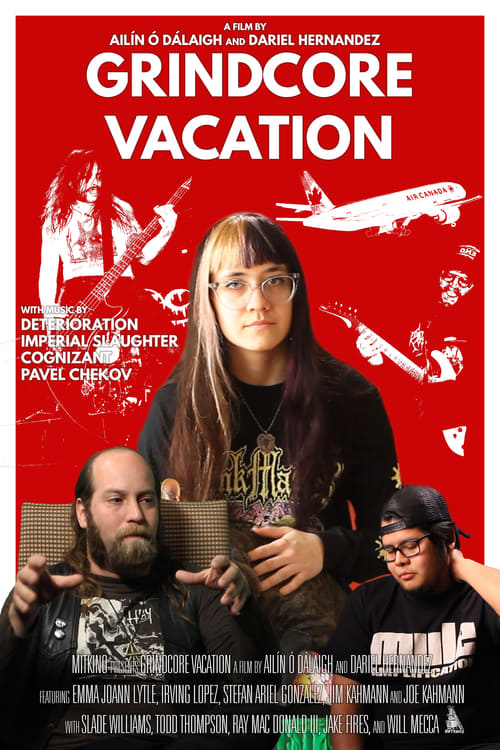
Grindcore Vacation
Grindcore Vacation melds the expository documentary, diary film, and live performance footage to produce a portrait of the musicians who play grindcore, an extreme sub-genre of punk/metal characterized by high speed and full volume. Shot during a weekend trip from Victoria BC to Dallas TX for a single DIY concert, it interviews members of Deterioration, Cognizant, and Imperial Slaughter. Live concert footage combines with interviews and Super 8mm film to create an impression of the people who play grindcore, why they love the genre, and their experiences as practitioners of the niche style.
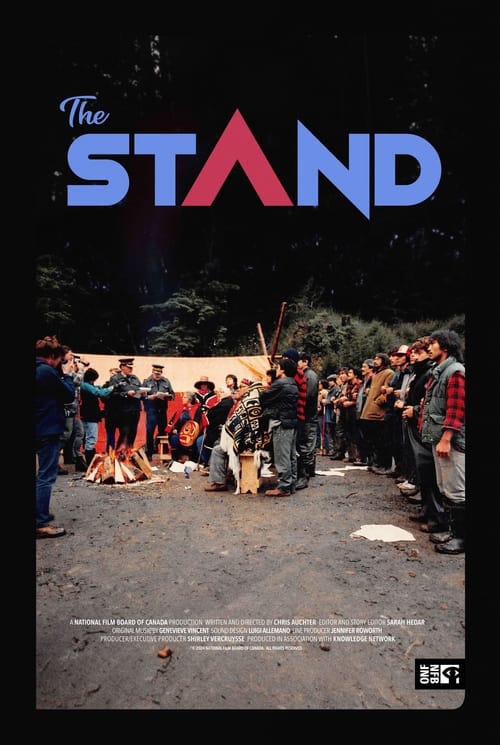
The Stand
On a misty morning in the fall of 1985, a small group of Haida people blockaded a muddy dirt road on Lyell Island, demanding the government work with Indigenous people to find a way to protect the land and the future. In a riveting new feature documentary drawn from more than a hundred hours of archival footage and audio, award-winning director Christopher Auchter (Now Is the Time) recreates the critical moment when the Haida Nation’s resolute act of vision and conscience changed the world.
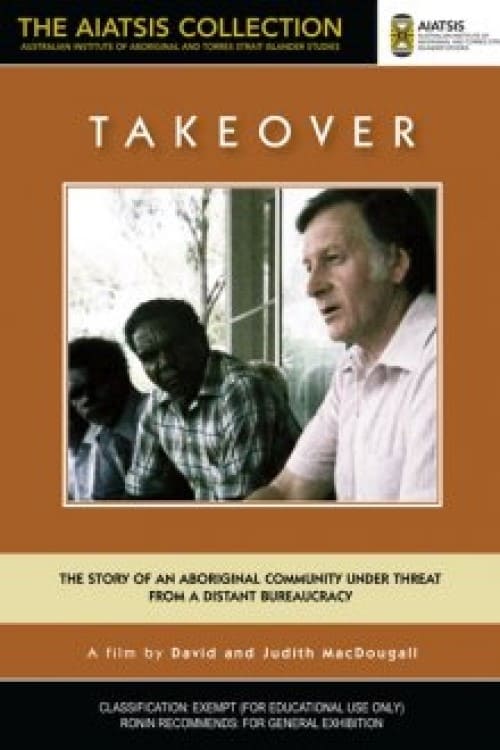
Takeover
About Aborigines and Australian politics. On 13 March 1978 the Queensland Government announced its intention to take over management of the Aurukun Aboriginal Reserve from the Uniting Church. The people of Aurukun complained bitterly, believing that the Church was more sympathetic to their aims and fearing that the State was merely seeking easier access to the rich bauxite deposits on their Reserve. When the Federal Government took the side of the Aborigines the stage was set for national confrontation. Shows the situation at Aurukun during those crucial three weeks.
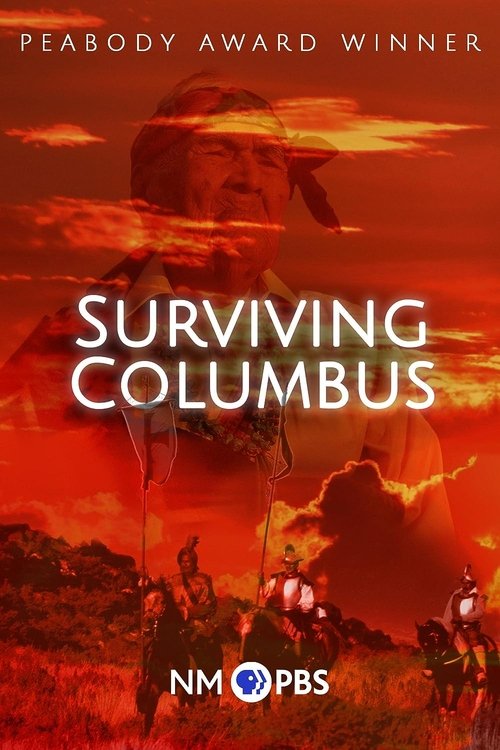
Surviving Columbus
This Peabody Award-winning documentary from New Mexico PBS looks at the European arrival in the Americas from the perspective of the Pueblo Peoples.
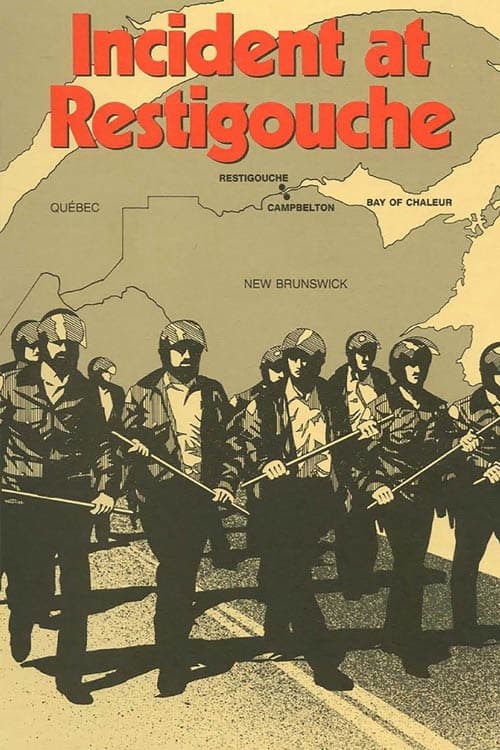
Incident at Restigouche
Incident at Restigouche is a 1984 documentary film by Alanis Obomsawin, chronicling a series of two raids on the Listuguj Mi'gmaq First Nation (Restigouche) by the Sûreté du Québec in 1981, as part of the efforts of the Quebec government to impose new restrictions on Native salmon fishermen. Incident at Restigouche delves into the history behind the Quebec Provincial Police (QPP) raids on the Restigouche Reserve on June 11 and 20, 1981. The Quebec government had decided to restrict fishing, resulting in anger among the Micmac Indians as salmon was traditionally an important source of food and income. Using a combination of documents, news clips, photographs and interviews, this powerful film provides an in-depth investigation into the history-making raids that put justice on trial.
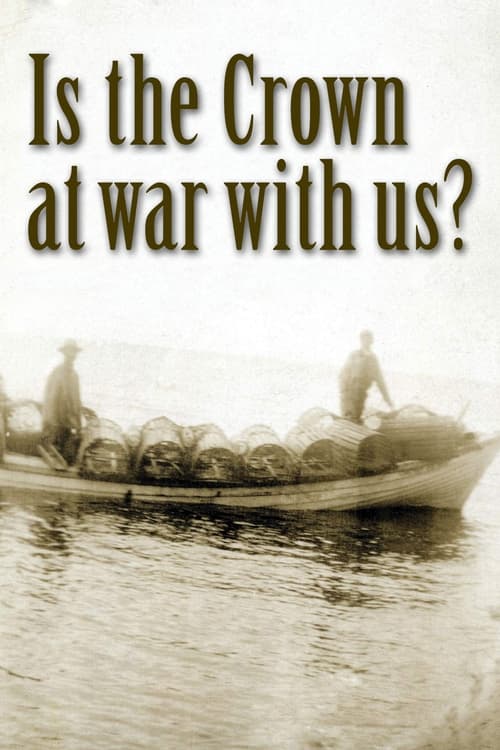
Is the Crown at war with us?
In the summer of 2000, federal fishery officers appeared to wage war on the Mi'gmaq fishermen of Burnt Church, New Brunswick. Why would officials of the Canadian government attack citizens for exercising rights that had been affirmed by the highest court in the land? Alanis Obomsawin casts her nets into history to provide a context for the events on Miramichi Bay.
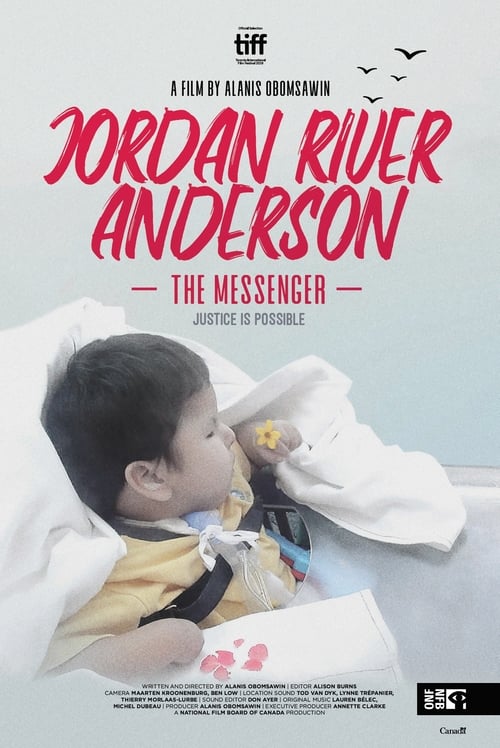
Jordan River Anderson, The Messenger
The story of a young boy forced to spend all five years of his short life in hospital while the federal and provincial governments argued over which was responsible for his care, as well as the long struggle of Indigenous activists to force the Canadian government to enforce “Jordan’s Principle” — the promise that no First Nations children would experience inequitable access to government-funded services again.
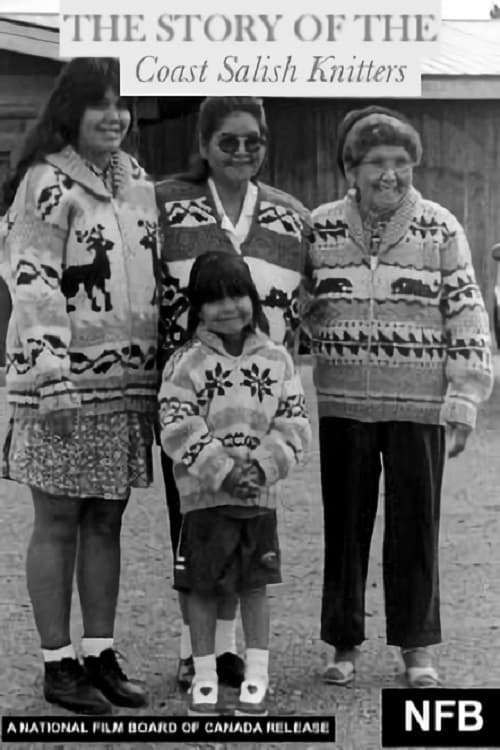
The Story of the Coast Salish Knitters
For almost a century, the Coast Salish knitters of southern Vancouver Island have produced Cowichan sweaters from handspun wool. These distinctive sweaters are known and loved around the world, but the Indigenous women who make them remain largely invisible.
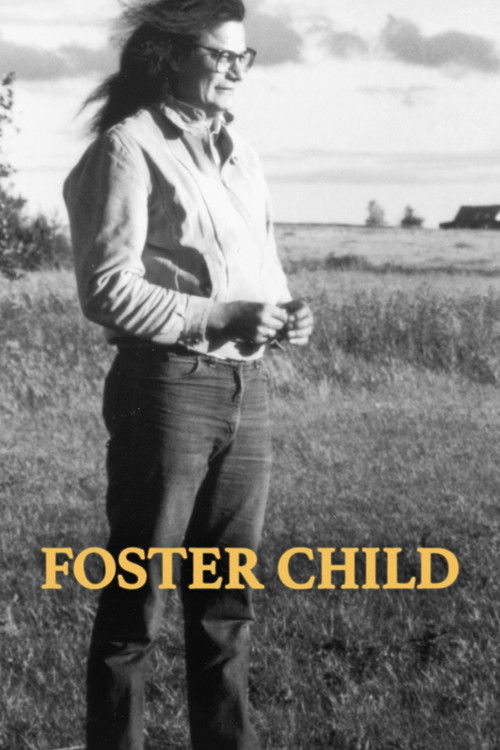
Foster Child
Gil Cardinal searches for his natural family and an understanding of the circumstances that led to his becoming a foster child. An important figure in the history of Canadian Indigenous filmmaking, Gil Cardinal was born to a Métis mother but raised by a non-Indigenous foster family, and with this auto-biographical documentary he charts his efforts to find his biological mother and to understand why he was removed from her. Considered a milestone in documentary cinema, it addressed the country’s internal colonialism in a profoundly personal manner, winning a Special Jury Prize at Banff and multiple international awards.
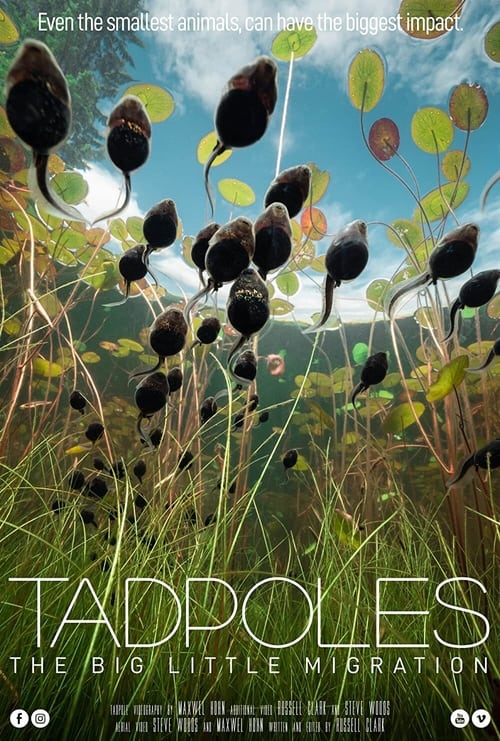
Tadpoles: The Big Little Migration
Short documentary, shot over fours years, showing the incredible daily migration of the western toad tadpoles, a designated indicator species on Vancouver Island, British Columbia.
Streaming IPTV FAQ
Can I watch this title through IPTV?
Availability depends on your IPTV provider and the rights included in your subscription. This page uses TMDB data for discovery and does not host video content.