
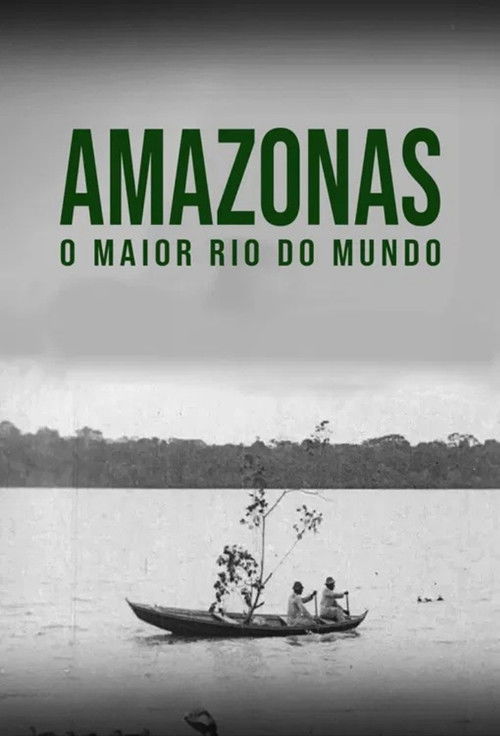
Watch Amazon: Longest River in the World in streaming IPTV
Amazon: Longest River in the World
Overview
Documentary by Portuguese Silvino Santos, about the Amazon, its flora, fauna, its inhabitants and among other wonderful images from the beginning of the 20th century with alternating close-up shots of caimans, jaguars and tropical flora with footage of Indigenous rituals--including some of the earliest known moving images of the Indigenous Witoto people--and longer sequences showcasing the region’s extractive industries: rubber, the Brazil nut, timber, fishing, even the egret feathers that were a staple of women’s fashion at the time.
Genres
Similar titles
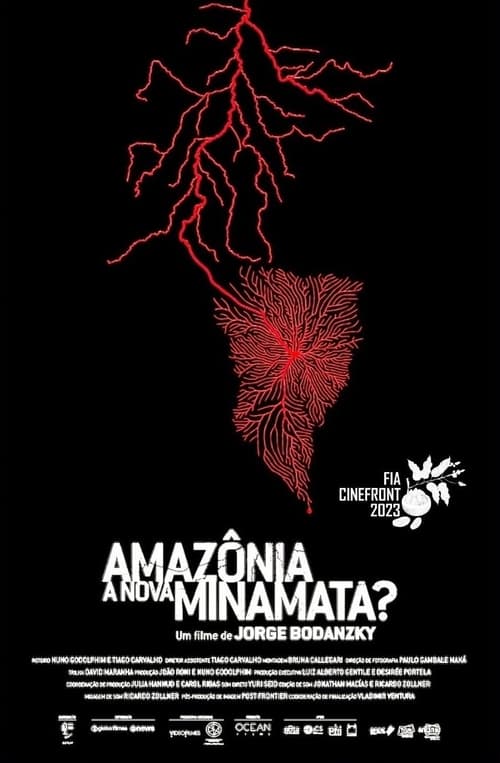
Amazônia, a Nova Minamata?
Amazônia, a Nova Minamata?
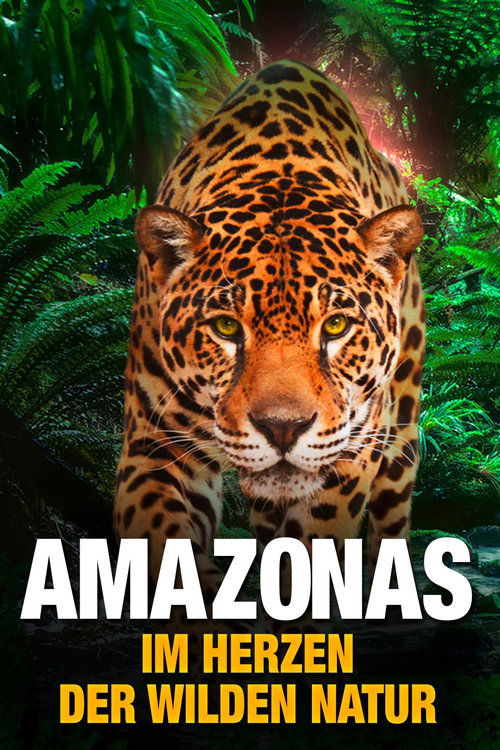
AMAZON 3D
AMAZON 3D

Roundhay Garden Scene
The earliest surviving motion-picture film, and believed to be one of the very first moving images ever created, was shot by Louis Aimé Augustin Le Prince using the LPCCP Type-1 MkII single-lens camera. It was taken on paper-based photographic film in the garden of Oakwood Grange, the Whitley family house in Roundhay, Leeds, West Riding of Yorkshire (UK), on 14 October 1888. The film shows Adolphe Le Prince (Le Prince’s son), Mrs. Sarah Whitley (Le Prince’s mother-in-law), Joseph Whitley, and Miss Harriet Hartley walking around in circles, laughing to themselves, and staying within the area framed by the camera. Roundhay Garden Scene is often associated with a recording speed of around 12 frames per second and runs for about 2 to 3 seconds.
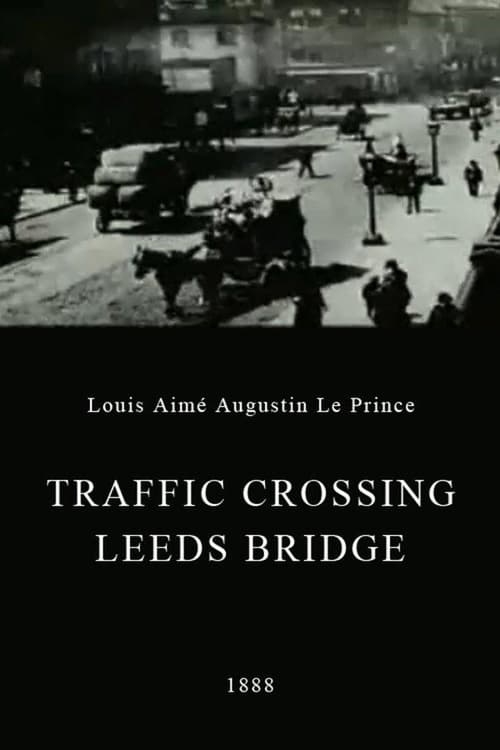
Traffic Crossing Leeds Bridge
A film by Louis Aimé Augustin Le Prince, shot in late October 1888, showing pedestrians and carriages crossing Leeds Bridge.
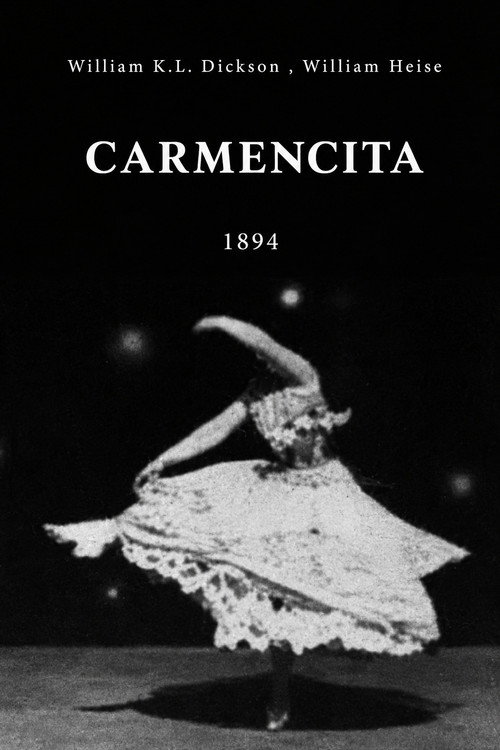
Carmencita
The first woman to appear in front of an Edison motion picture camera and possibly the first woman to appear in a motion picture within the United States. In the film, Carmencita is recorded going through a routine she had been performing at Koster & Bial's in New York since February 1890.
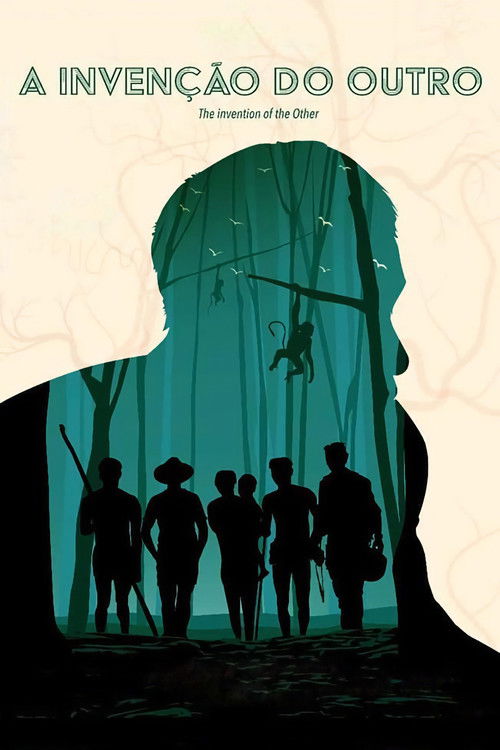
The Invention of the Other
In 2019, the Brazilian government coordinates the largest and riskiest expedition of the last decades into the Amazon rainforest to search for a group of isolated indigenous people in vulnerability and promote their first contact with non-indigenous. Bruno Pereira, who would later be murdered in the same region and turned into an international symbol in favor of the indigenous and the forest, leads the expedition.
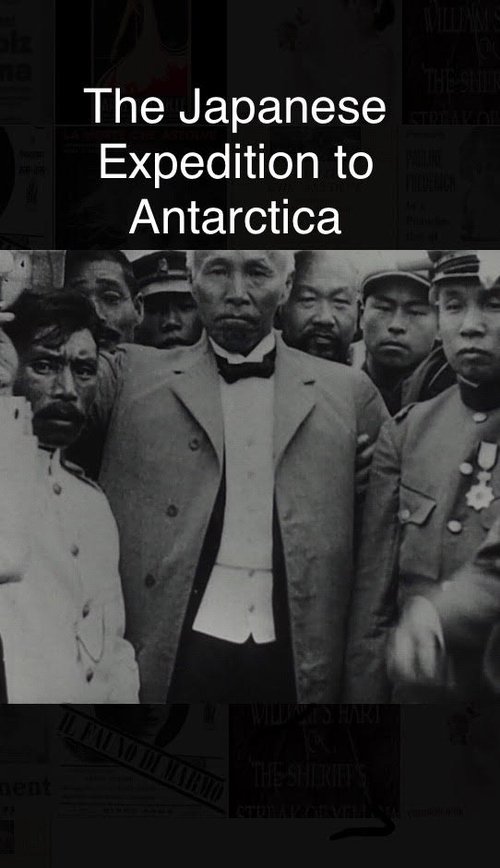
Japanese Expedition to Antarctica
Footage shot during Japanese Army Lieutenant Nobu Shirase’s second Antarctica expedition.
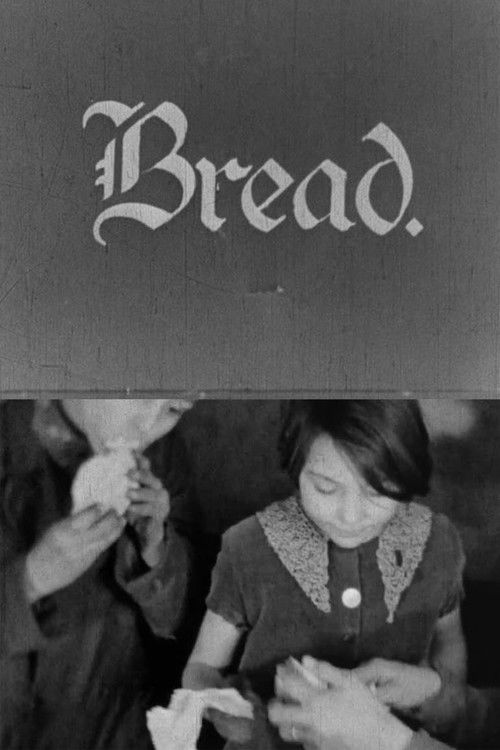
Bread
Life on the breadline in the 1930s was hard enough, but times were desperate when you fell beneath it. Hunger marches organised by the National Unemployed Workers' Movement drew attention to the cause, but this left-wing collective picked up a cine-camera. The fictional story at the heart of the film is somewhat melodramatic, but the authentic surroundings give its message realism and weight.
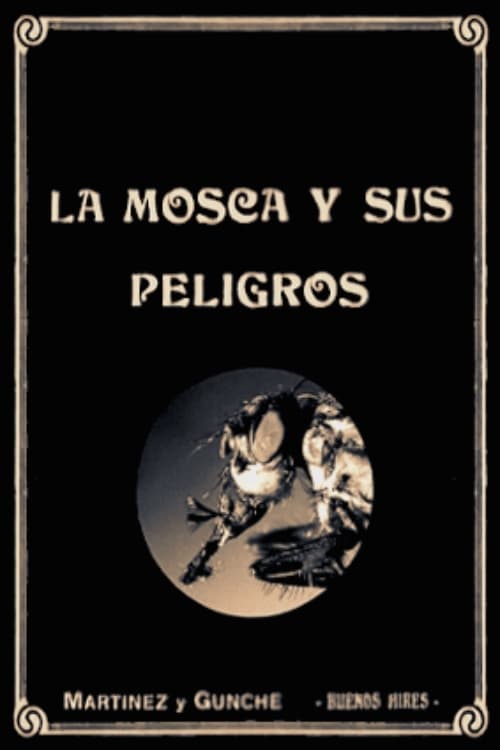
The Dangers of the Fly
The Dangers of the Fly is an educational film made by Ernesto Gunche and Eduardo Martínez de la Pera, also responsible for Gaucho Nobility (1915), the biggest blockbuster of Argentinean silent cinema. De la Pera was a talented photographer, always willing to try new gadgets and techniques. This film experiments with microphotography in the style of Jean Comandon's films for Pathé and it is part of a series which included a film about mosquitoes and paludism and another one about cancer, which are considered lost. Flies were a popular subject of silent films and there are more than a dozen titles featuring them in the teens and early twenties.
Women of the Ghetto Bathing
The subject is a group of women bathing in a public swimming pool. The camera was placed on the edge of the pool and the full extent of the film shows the women in the pool. Only the heads and shoulders of most of the women are visible but it is possible to see they are wearing rented bathing attire.
Streaming IPTV FAQ
Can I watch this title through IPTV?
Availability depends on your IPTV provider and the rights included in your subscription. This page uses TMDB data for discovery and does not host video content.