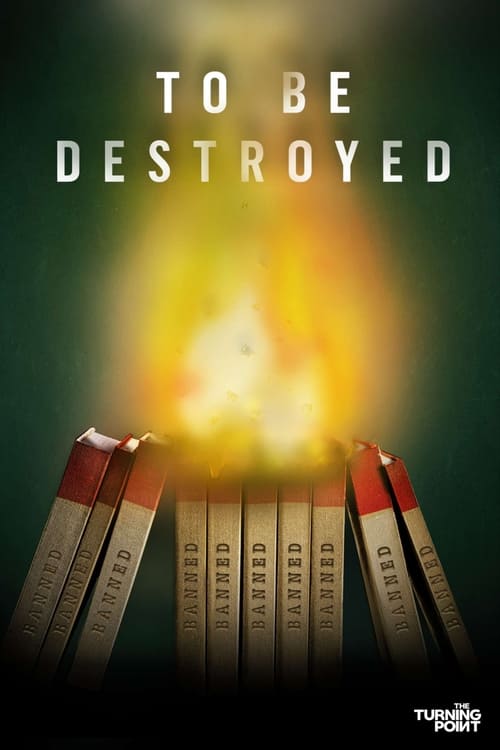
Watch To Be Destroyed in streaming IPTV
To Be Destroyed
Overview
A 30-minute documentary on book banning and censorship that follows author Dave Eggers as he investigates why a Rapid City, SD school board wanted to ban his book.
Genres
Cast

Dave Eggers
Self
Sean Bradley
Self
Jill Westbrook
Self
Nicole Larrabee
Self
Natalie Slack
Self
Florence Thompson
Self
Shaye Beardsley
Self
Amanda Uhle
Self
Shaun Hoeft
Self
Colton Porter
Self
Similar titles
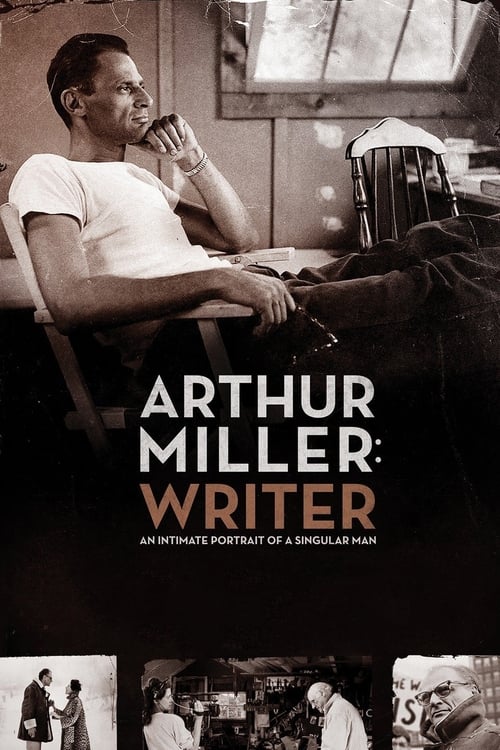
Arthur Miller: Writer
One of the greatest playwrights of the 20th century, Arthur Miller created such celebrated works as Death of a Salesman and The Crucible, which continue to move audiences around the world today. He also made headlines for being targeted by the House Un-American Activities Committee at the height of the McCarthy Era and entering into a tumultuous marriage with Hollywood icon Marilyn Monroe. Told from the unique perspective of his daughter, filmmaker Rebecca Miller, Arthur Miller: Writer is an illuminating portrait that combines interviews spanning decades and a wealth of personal archival material, and provides new insights into Miller’s life as an artist and exploring his character in all its complexity.
El Cardenal
In his study a cardinal is surrounded by bizarre props in an atmosphere of decay.
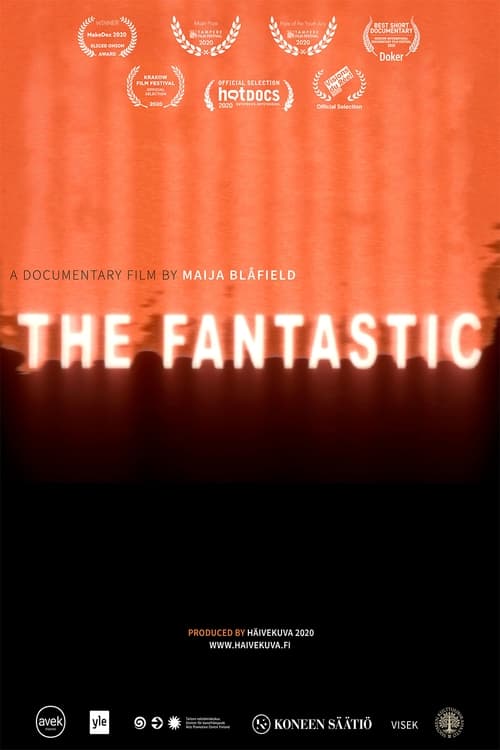
The Fantastic
In Maija Blåfield’s documentary, eight former North Koreans talk about what it was like to watch illegal films in a closed society. In addition to the 'waste videos', South Korean films were also smuggled into the country via China.
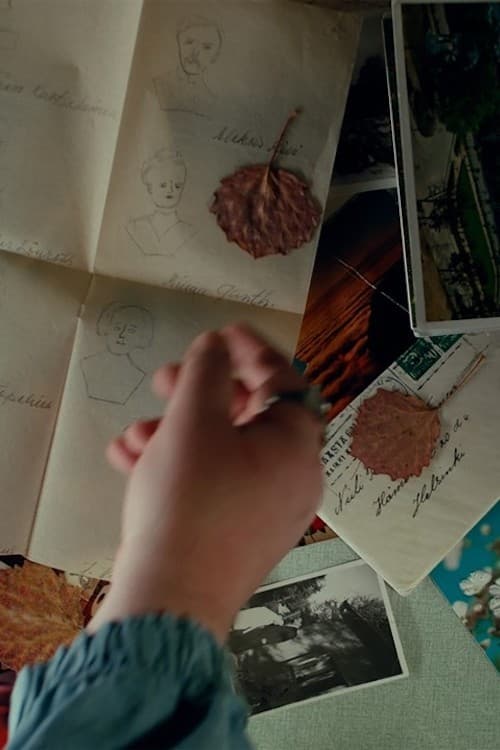
Goodbye Words
In the aftermath of a death, a home is cleaned out; the accumulation of a life is removed in bags and recycle bins. But what becomes of the collection of books? Laura Rantanen’s resoundingly moving and wistful documentary reflects on the end of life, what lingers behind, and the moments when a book breaks through the monotony to open the world around us.
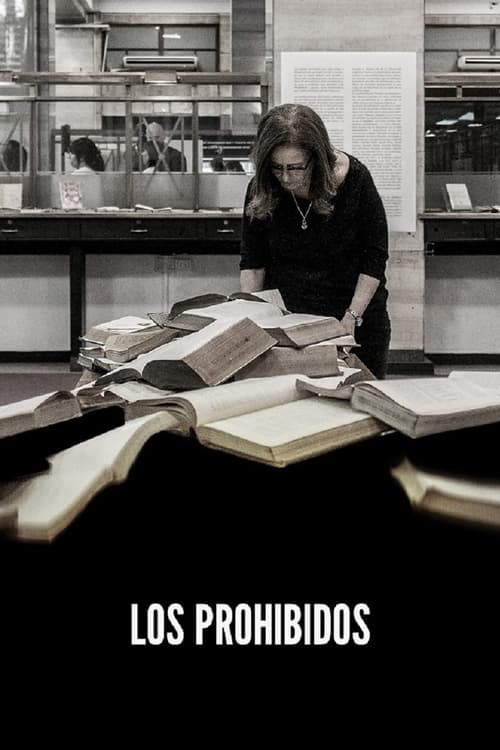
Los prohibidos
Documentary film that follows Silvana Castro, a woman who works at the National Congress Library in Argentina where the books that were forbidden during the military dictatorship are kept. After the exhibition of the books is suspended, she'll try to open it again.
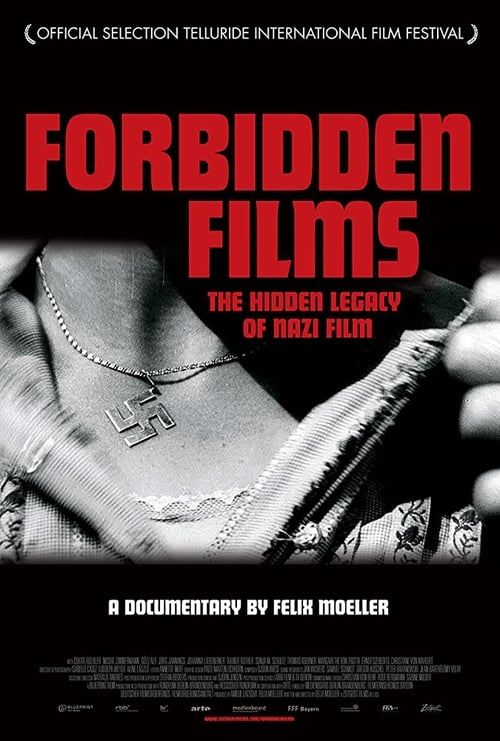
Forbidden Films
Between 1933 and 1945 roughly 1200 films were made in Germany, of which 300 were banned by the Allied forces. Today, around 40 films, called "Vorbehaltsfilme", are locked away from the public with an uncertain future. Should they be re-released, destroyed, or continue to be neglected? Verbotene Filme takes a closer look at some of these forbidden films.
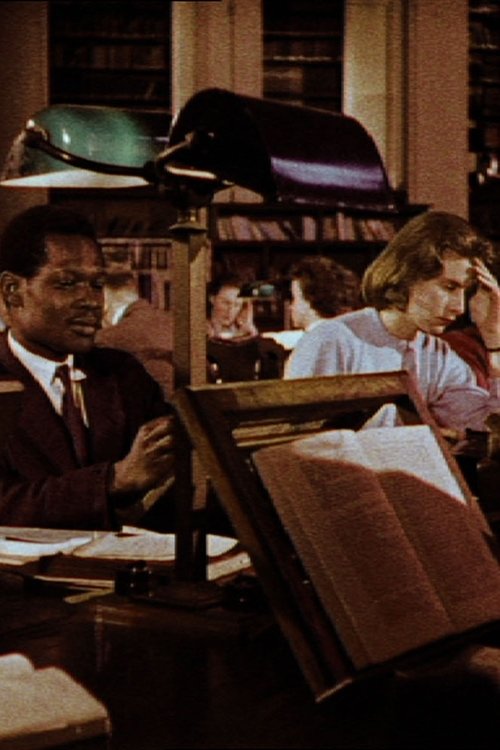
Building for Books
Though commissioned by Trinity College Dublin as a fundraiser for the Berkeley Library and with extensive discussion of the history, architecture and collections of the Old Library, this film also provides a rare insight into student life in Dublin in the 1950s – at work and at play – and lauds the arrival of women and students from many lands.
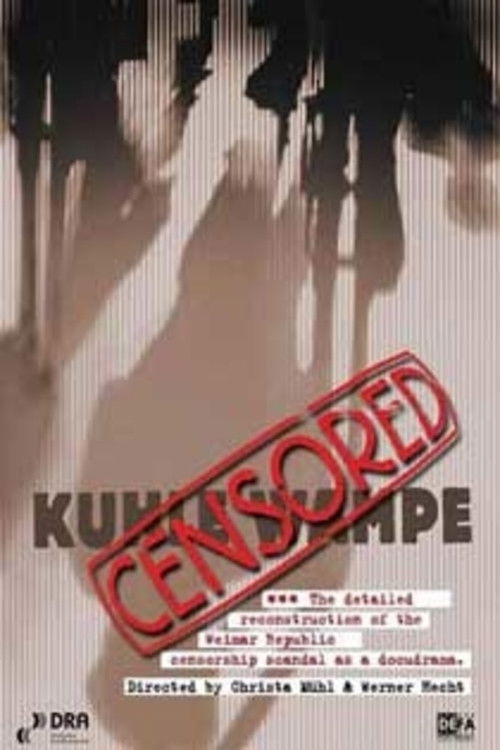
Censored: Kuhle Wampe
A detailed reconstruction of the censorship case against the landmark Weimar-era communist film, Kuhle Wampe, or Who Owns the World? (1932). Directed by Slatan Dudow, the crew and cast included left-wing luminaries, such as playwright Bertolt Brecht, composer Hanns Eisler and balladeer Ernst Busch. The film was the subject of vehement disputes and was banned twice for revolutionary and communist tendencies that were perceived to threaten the state. About 230 meters of the original film fell victim to the censor’s shears. This historic censorship case was argued over the course of three sessions. Censored: Kuhle Wampe re-enacts the censorship hearings, based on original minutes and documents, as well as personal records of the case. In addition to footage from the original film, this docudrama includes original clips of Berlin in the 1920s and '30s and short testimonies, filmed in the 1970s, with some of the actors involved in the original Kuhle Wampe film production.
The Cleaners
A deep dive into the hidden industry of digital cleaning, which rids the Internet of unwanted violence, porn and political content.
A Book Is to Care For
The film tells the story of Bill, a young boy who discovers a worn and damaged book about the American Revolution in a secondhand bookshop and buys it for 25 cents. Through his experience, the film explores the lifecycle of a book, from creation to wear and tear, and the importance of proper care and repair. Bill, with the help of his schoolmates and Miss Walker, the librarian, learns how to mend torn pages, remove stains, and protect the book with a new cover and dust jacket. The film emphasizes the collective effort required to create a book and educates on how to extend its life through careful handling and repair, conveying a message of respect and stewardship for books.
Streaming IPTV FAQ
Can I watch this title through IPTV?
Availability depends on your IPTV provider and the rights included in your subscription. This page uses TMDB data for discovery and does not host video content.