

Overview
A documentary about teachers' strikes in Iceland in the latter half of the 20th century with a special focus on 1995.
Genres
Cast
Ólafur Ragnar Grímsson
Self
Elna Katrín Jónsdóttir
Self

Einar Már Guðmundsson
Self
Eiríkur Jónsson
Self
Karen Rúnarsdóttir
Self
Óli Gneisti Sóleyjarson
Self
Similar titles
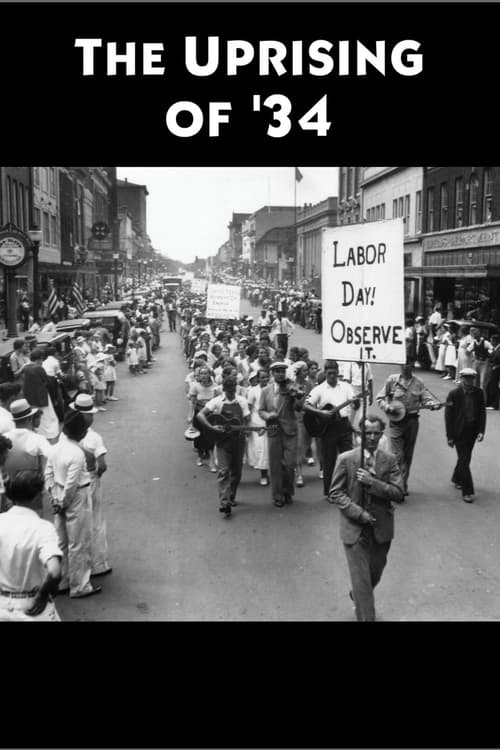
The Uprising of '34
Textile workers recall with pride the long- suppressed story of the General Textile Strike of 1934 when 500,000 Southern mill laborers walked off their jobs.
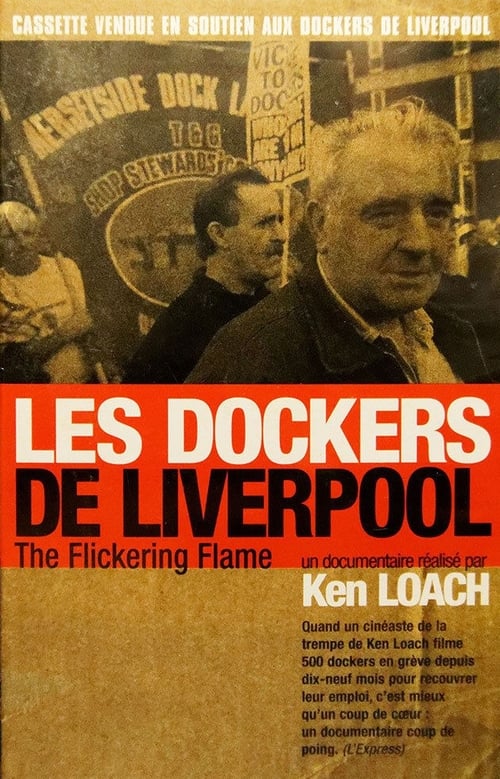
The Flickering Flame
Documentary following dockers of Liverpool sacked in a labour dispute and their supporters’ group, Women of the Waterfront, as they receive support from around the world and seek solidarity at the TUC conference.
Out of Office: How Soft Hands Struck a Hard Bargain
Out of Office is the story of a scrappy group of office workers in Wisconsin who managed to pull off a major victory for workers’ rights. Upon their contract’s expiration, the workers activated their dormant union and fought back against their employer - a massive financial services provider making record profits. Their fight dragged out for over 600 days and included the first strike in the company’s almost 100-year history, which was the largest labor action in Wisconsin for over ten years. A rank-and-file member of the union documented the entire struggle, and the documentary includes emotional interviews with key members of the fight.

Partners
When a group of baristas in Buffalo, New York announce their intention to start a labor union, Starbucks responds with an elaborate, illegal anti-union attack. Featuring on-the-ground footage from workers and organisers, Partners takes us to the front lines of the historic union campaign that catalysed America’s Gen Z labour revival.
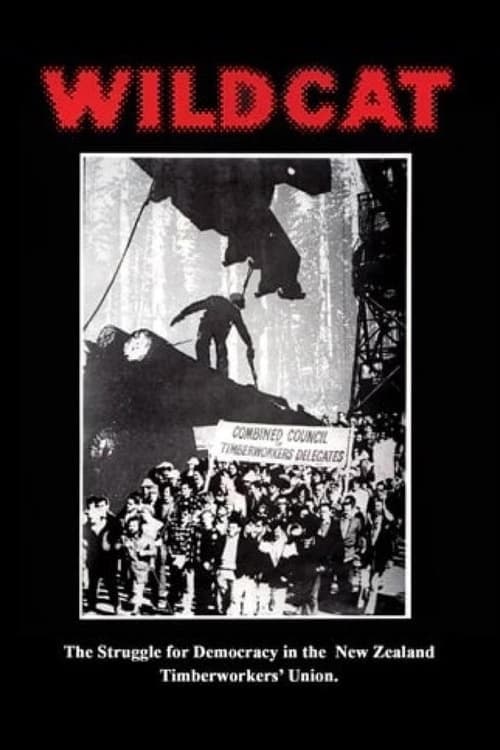
Wildcat: The Struggle for Democracy in the New Zealand Timberworkers' Union
Delegates and workers discuss the issues that effect the Timberworkers’ Union, the reasons for the formation of the Combined Council of Timber Workers Delegates (CCD) and their industrial action.
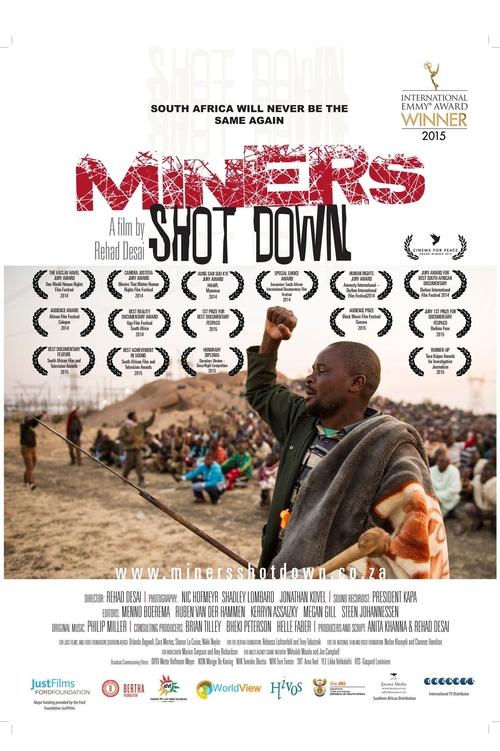
Miners Shot Down
In August 2012, mineworkers in one of South Africa’s biggest platinum mines began a wildcat strike for better wages. Six days later the police used live ammunition to brutally suppress the strike, killing 34 and injuring many more. Using the point of view of the Marikana miners, Miners Shot Down follows the strike from day one, showing the courageous but isolated fight waged by a group of low-paid workers against the combined forces of the mining company Lonmin, the ANC government and their allies in the National Union of Mineworkers.
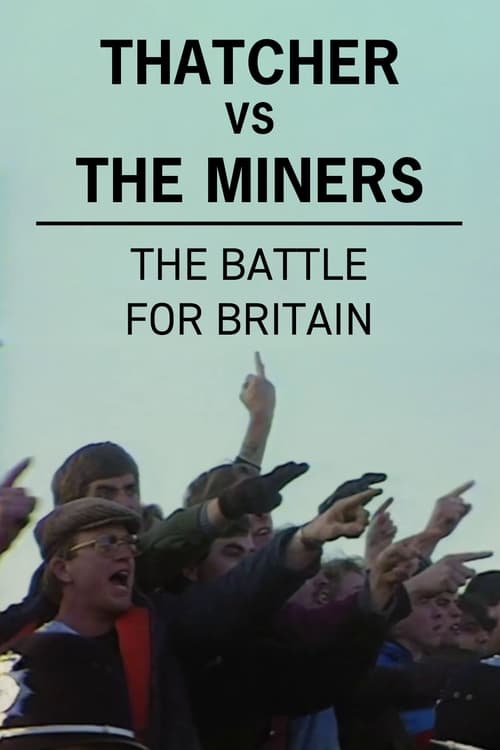
Thatcher vs The Miners: The Battle for Britain
On the 5th of March 1985, a crowd gathered in a South Yorkshire pit village to watch a sight none of them had seen in a year. The villagers, many of them in tears, cheered and clapped as the men of Grimethorpe Colliery marched back to work accompanied by the village’s world-famous brass band. The miners and their families had endured months of hardship. It had all been for nothing. The miners had lost the strike called on March 6th 1984. They would lose a lot more in the years to come. But was it a good thing for the country that the miners lost their last battle?
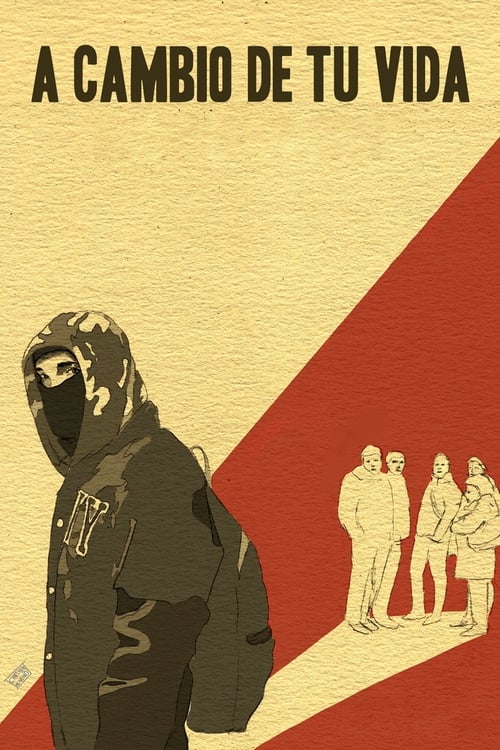
In Spite of Ourselves
An explosion in one of the largest chemical plants in Europe, the Petrochemical complex in Tarragona, triggers the labour struggle of a group of workers who demand what is fair for everyone.
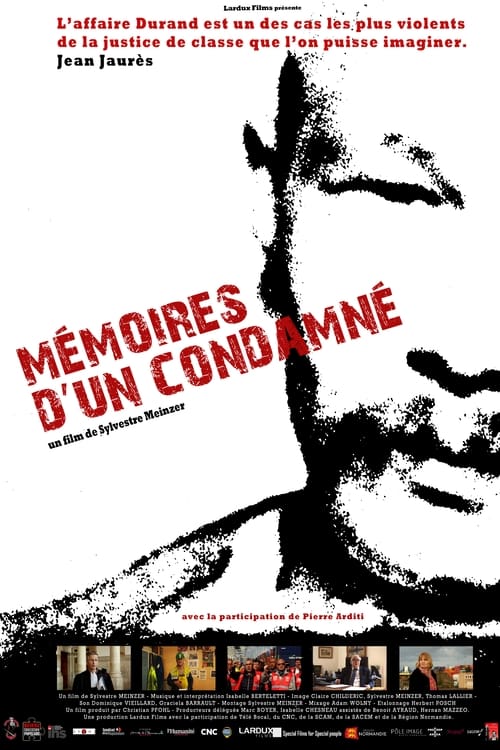
Mémoires d'un condamné
Mémoires d'un condamné
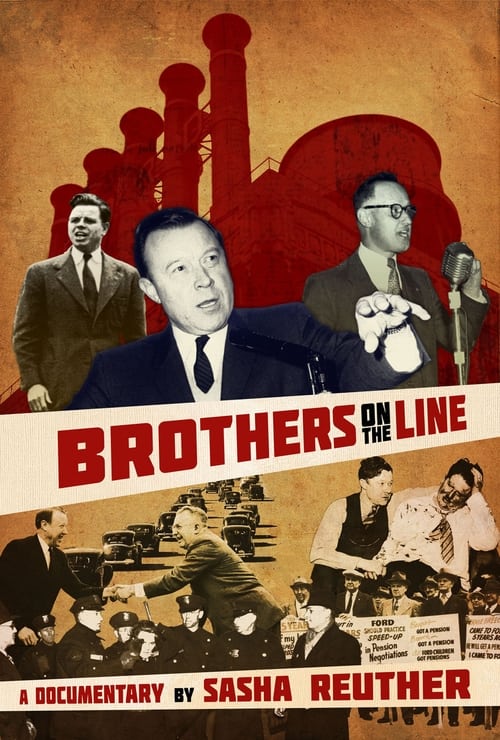
Brothers on the Line
Brothers on the Line explores the extraordinary journey of the Reuther brothers – Walter, Roy, and Victor – union organizers whose unshakeable devotion led an army of workers into an epic human rights struggle.
Streaming IPTV FAQ
Can I watch this title through IPTV?
Availability depends on your IPTV provider and the rights included in your subscription. This page uses TMDB data for discovery and does not host video content.