Overview
In 2021, the Sheikh Jarrah neighborhood was attacked. The war lasted for 11 days, during which all forms of weapons were used. This left many victims, along with a great loss of buildings and infrastructure. But, maybe more importantly, it created deep psychological effects on all who lived through it, many of them children
Genres
Similar titles
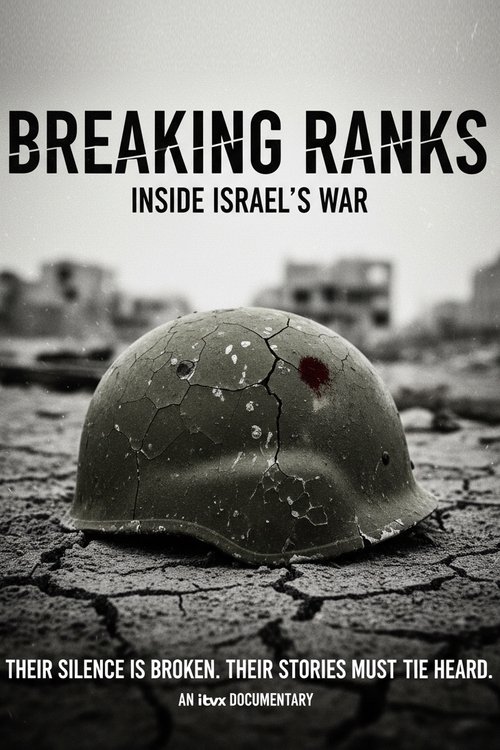
Breaking Ranks: Inside Israel's War
Breaking Ranks: Inside Israel’s War presents the first-hand recollections of IDF soldiers who have broken official silence to share their experiences of the war in Gaza - accounts that may raise serious questions about conduct on the ground and potential breaches of international law. Directed by award-winning filmmaker Ben Zand, the film features exclusive interviews with Israel Defense Forces (IDF), reservists and veterans - many speaking for the first time - who served during the war in Gaza. Their testimonies describe what they recall as indiscriminate bombardment, instances where Palestinian civilians were used as human shields, and an operational culture that some soldiers characterised as “no innocents in Gaza.”
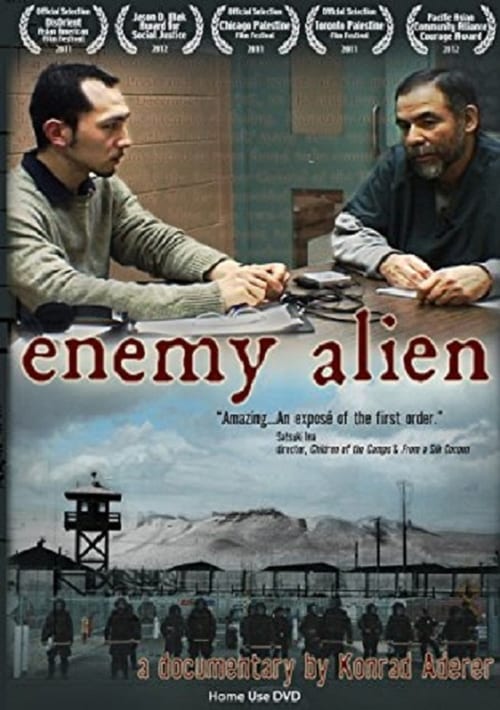
Enemy Alien
A Palestinian activist's fight for freedom draws a Japanese American filmmaker into confrontation with detention regimes of past and present.
Running for Freedom - A week of resistance in Palestine
When the running team of Viva Salud, a Belgian NGO fighting for the right to health, went to Bethlehem to participate in the Palestine Marathon, they didn’t yet know that they would do much more than just running. From Ramallah to Hebron, from Nablus to Bethlehem, their encounters with Viva Salud’s local partners helped them gain a better understanding of the situation in the region and discover the daily reality of the Israeli occupation. While getting to know resistance in all its forms, along with the beauty of Palestine, they tried to capture this in a documentary vlog of their journey—a cocktail of rebellion, solidarity, and collective resistance.
La mer n'oublie pas
Saud now lives in Paris, caring with devotion and tenderness for his two young children while closely following the drama in Gaza. “It's hard to be far away.” He speaks sadly of his situation as a Palestinian citizen of Israel. When he accompanies his daughter to school, they both stick up placards for the liberation of Palestine...

The Way Back Home
The film examines a personal attempt to address existential concepts related to Palestinians such as exile, return and the image of the homeland.
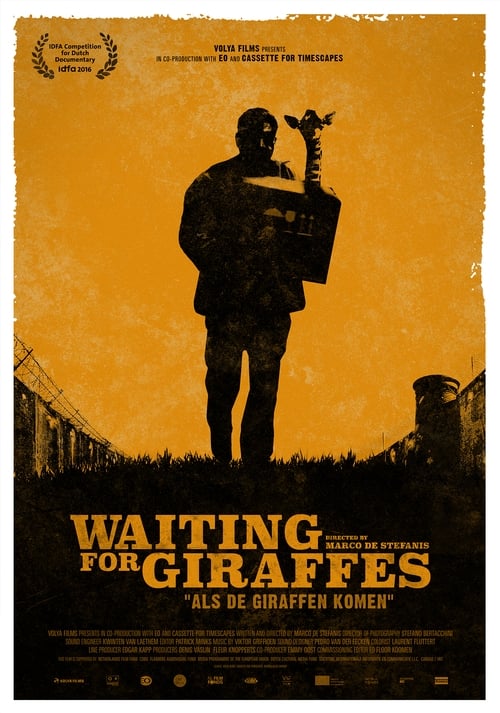
Waiting For Giraffes
After two intifadas and the construction of the Israeli wall, the only Palestinian zoo is still there and is now seeking for international recognition and to replace their lost giraffes.
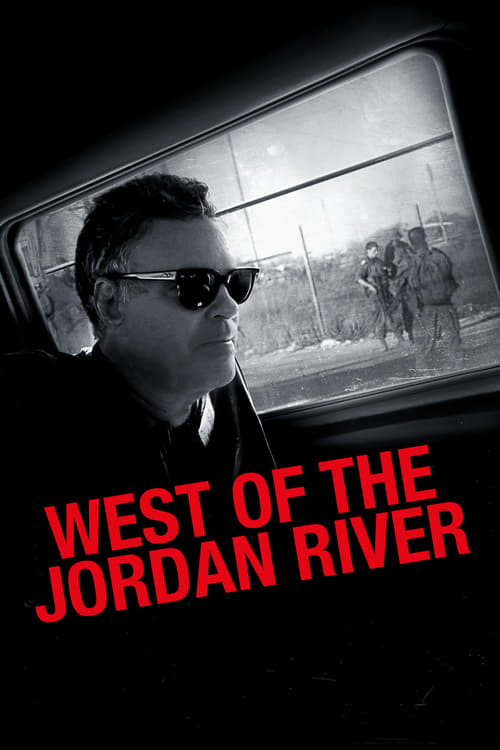
West of the Jordan River
Amos Gitai returns to the occupied territories for the first time since his 1982 documentary FIELD DIARY. WEST OF THE JORDAN RIVER describes the efforts of citizens, Israelis and Palestinians, who are trying to overcome the consequences of occupation. Gitai's film shows the human ties woven by the military, human rights activists, journalists, mourning mothers and even Jewish settlers. Faced with the failure of politics to solve the occupation issue, these men and women rise and act in the name of their civic consciousness. This human energy is a proposal for long overdue change.
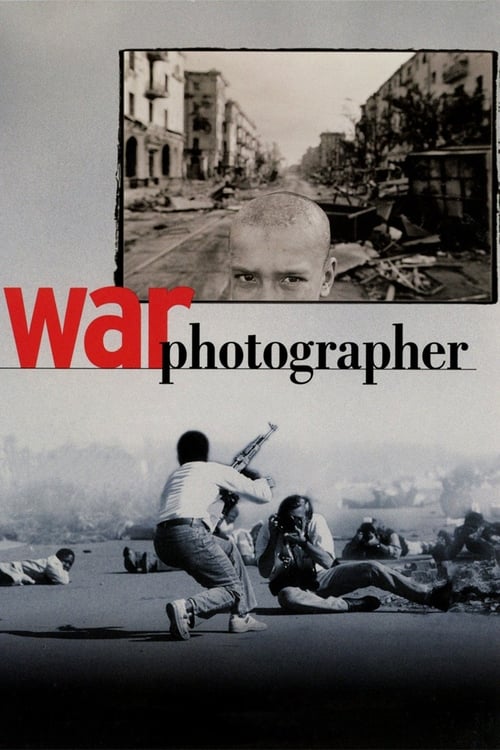
War Photographer
Documentary about war photographer James Nachtwey, considered by many the greatest war photographer ever.
Who But When, How
An autobiographical work that traces the director’s return to Israel in the midst of its traumatic moment and horrific acts in Gaza. As his aging father suffers the onset of dementia, Sharim’s poetic meditations on loss are juxtaposed against the conflicted, agonizing histories of Palestine and Israel, and a destabilized future.
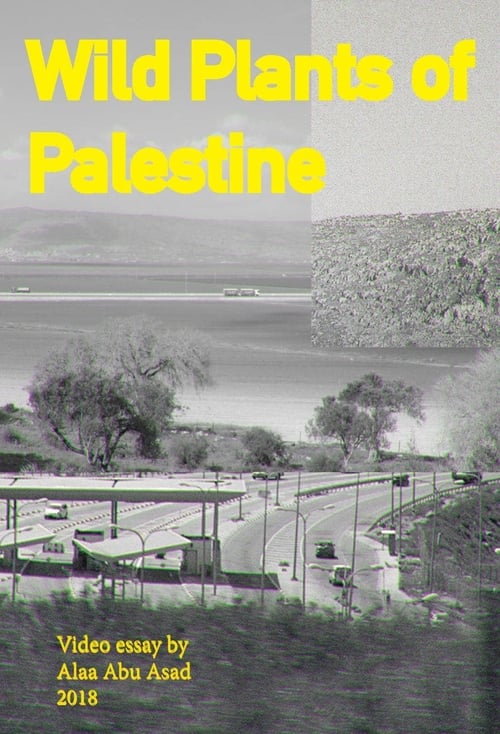
Wild Plants of Palestine
The film follows journeys of observational tours solicited by the Palestinian Museum and conducted by two professors from Birzeit University to collect photos of and information on the Palestinian Flora. The title is adapted from a collection of 123 images (circa 1900 to 1920) of wild flowers in Palestine found in the Matson Collection in the Library of Congress. Despite the tendency to trace the wild plants, the text in general aims at questioning the territorial extension of what is meant by the term “Palestinian”, while standing on insignificant topographical features of the (postcolonial) landscape in West Bank. Furthermore, it addresses photography as a practice and a tool of distributing and restricting information at once.
Streaming IPTV FAQ
Can I watch this title through IPTV?
Availability depends on your IPTV provider and the rights included in your subscription. This page uses TMDB data for discovery and does not host video content.