
Watch Lost Mountain in streaming IPTV
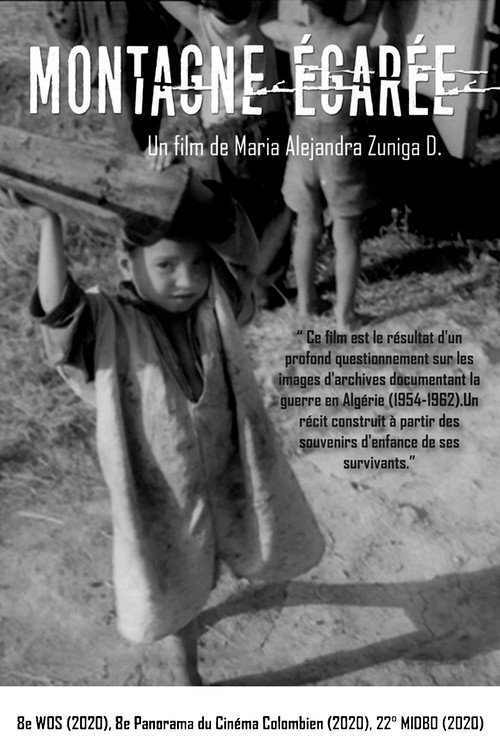
Lost Mountain
Overview
On November 1, 1954, the National Liberation Front of Algeria announced the war for the country's independence. France, colonizer since 1830, hastened to reinforce its military contingent in the four corners of the country and to prevent the advance of the rebels. A little Chaoui, born in a mountainous region of the country, sees his placid childhood collapse in the middle of a crossfire that he does not understand. The story, inspired by real testimonies, is constructed with images from the archives of the French army. From this apparently dissociated dialogue between image and word arises a sensitive homage to the memory that rests in the archives and to the ignored voice of its protagonists.
Genres
Cast
Anna Dodier
Voice
Frédéric Blasco
Voice
Similar titles
October 17, 1961, Cover-up Of a Massacre
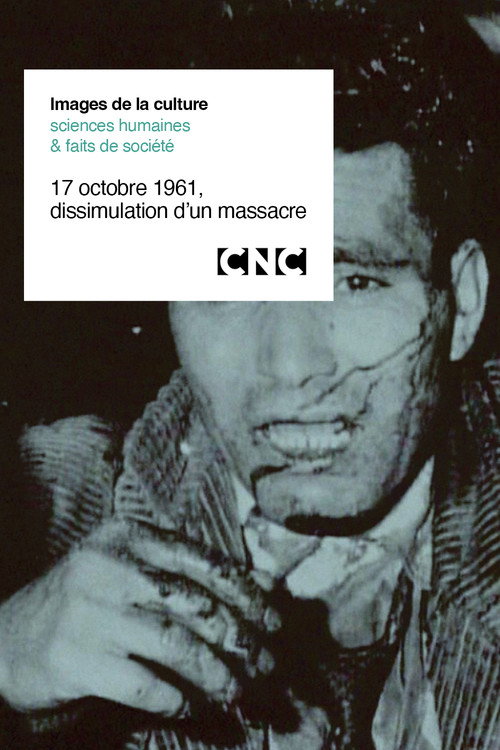
On October 17 and 18, 1961, during a non-violent demonstration against the imposed curfew, dozens of Algerians were murdered in Paris by police officers acting on orders from their superiors. For forty years, this crime has been concealed; yet these events, the deadliest on French soil since the Second World War, resemble, in some respects, the darkest hours of the collaboration. Why has this history been hidden? Under what conditions, and in the name of what reasons, did officials of a democratic state conceal the scale and gravity of such events?
Mémoires du 17 octobre 1961
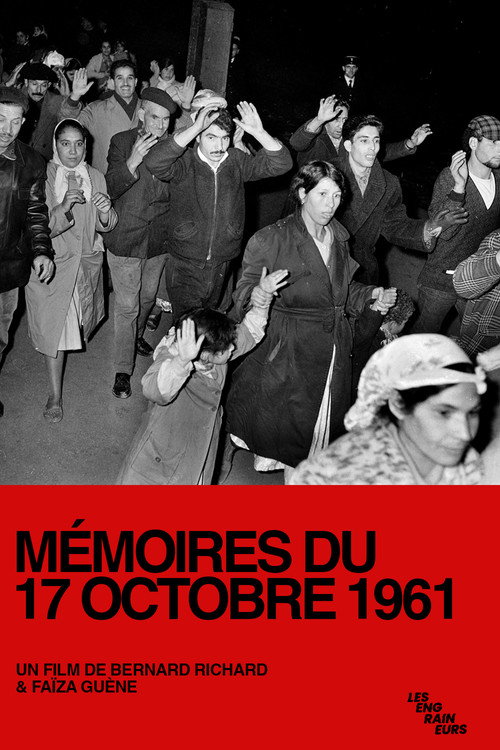
Three demonstrators from October 17, 1961, and a journalist recount the peaceful success of the demonstration and its brutal repression in the streets of Paris. Five months before the end of the Algerian War, the Gaullist government violently suppressed (40 to 300 deaths in a single evening, according to various sources) a peaceful demonstration by the entire Algerian civilian population of the Paris region, protesting the curfew imposed solely on this population (all participants held French citizenship). The government long denied this state crime; the official version: 3 deaths! In 1962, these events were granted amnesty by a simple decree (later enacted into law) issued by the same Gaullist government.
The Forgotten Night - October 17, 1961
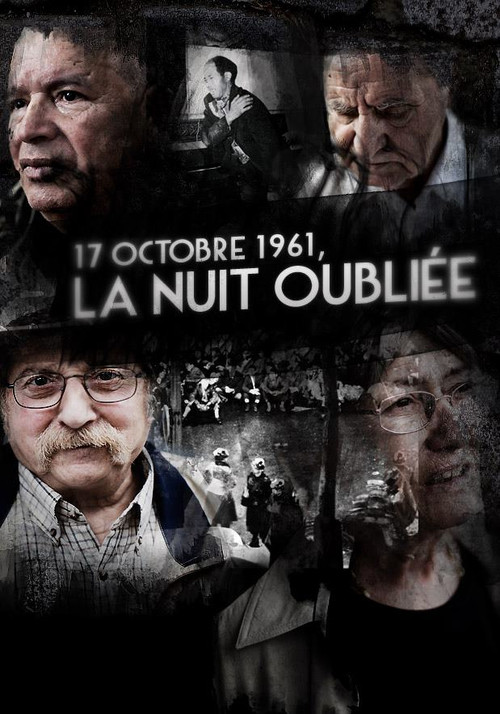
On October 17, 1961, in response to the curfew imposed on Muslim Algerians by Paris police prefect Maurice Papon, the FLN Federation of France organized a peaceful demonstration in the streets of the capital. The demonstration turned into a bloody crackdown: unprecedented violence, thousands of arrests, hundreds missing, and dozens dead. Today, much is known about the violence of that night: at least 200 Algerians were killed, beheaded, beaten, or thrown into the Seine; 11,500 others were arrested and often tortured. Hundreds were deported back to Algeria. Long silenced, the repression has been acknowledged thanks to the work of remembrance and eyewitness accounts.
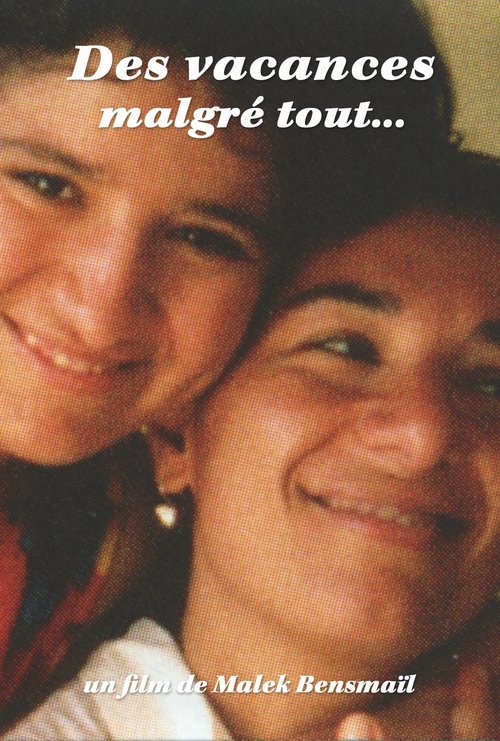
Holidays Despite All
Immigrated to the Paris region since 1964, Kader decides to spend the summer holidays with his family in his native village, not far from Algiers. These few weeks, so eagerly awaited by both sides, constitute a special moment full of strong emotions. The camera follows the family in their meetings, their reunions, their difficulties, their visions of the country and its region, the celebrations, the weddings, their return to France… This film raises many questions. Within this family itself, between those who stayed in the country and those who emigrated to France, how do we perceive the situation in Algeria? What hopes do each of them have for their country? What about the Franco-Algerian relationship? Contemporary immigration? The desire for exile of Algerians today? Different discourses on both sides of the Mediterranean? The desires of each of them…

Tahalra
Five young Italian climbers, Paolo Grunanger, Lorenzo Marimonti, Pietro Meciani, Lodovico Gaetani and Giorgio Gualco, members of the expedition organized under the patronage of the Milanese section of the Italian Alpine Club, reached Tamanrasset, in Hoggar, the Tuareg kingdom. From there, with a caravan of camels, they head towards the mountainous volcanic chain of Tahalra, little known to Westerners. During the exploration, climbers will climb seven virgin peaks via very difficult routes and at the same time carry out topographical surveys.

CHoosing at Twenty
Between 1954-1962, one hundred to three hundred young French people refused to participate in the Algerian war. These rebels, soldiers or conscripts were non-violent or anti-colonialists. Some took refuge in Switzerland where Swiss citizens came to their aid, while in France they were condemned as traitors to the country. In 1962, a few months after Independence, Villi Hermann went to a region devastated by war near the Algerian-Moroccan border, to help rebuild a school. In 2016 he returned to Algeria and reunited with his former students. He also met French refractories, now living in France or Switzerland.
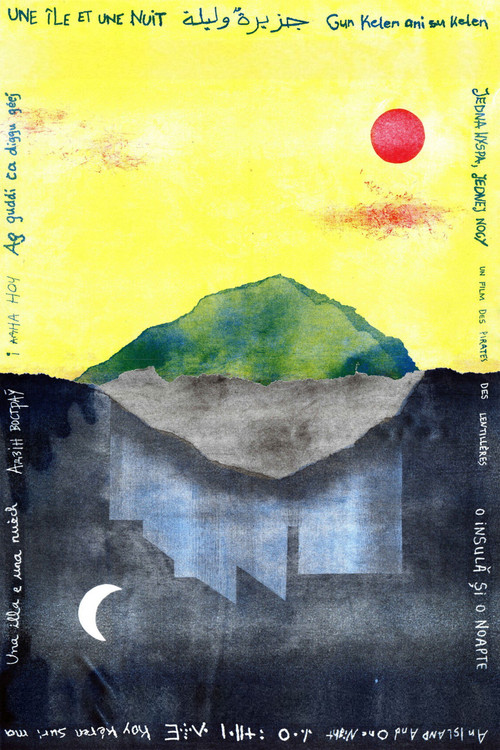
An Island and One Night
Around the fire, travellers and pirates recount their memories, their dreams, their battles. From one language to another, from story to story, we hear the roar of the storm and the rustle of the leaves, the menacing sirens and the wild dances, the clash of the swords and the song of the birds. Until dawn, a thousand and one paths take shape on this imaginary yet real island.
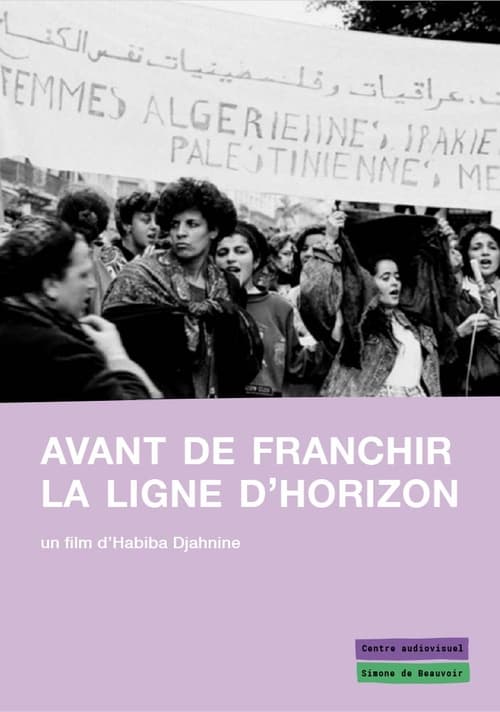
Avant de franchir la ligne d'horizon
Habiba Djahnine went to meet activists who continue to take action. To meet them, to capture them in the spaces where they live, work or fight. They inscribe a few words of our tormented history. Memory, memory gaps, background noise, demonstrations... The film bears witness to 20 years of political mobilization/repression in Algeria.
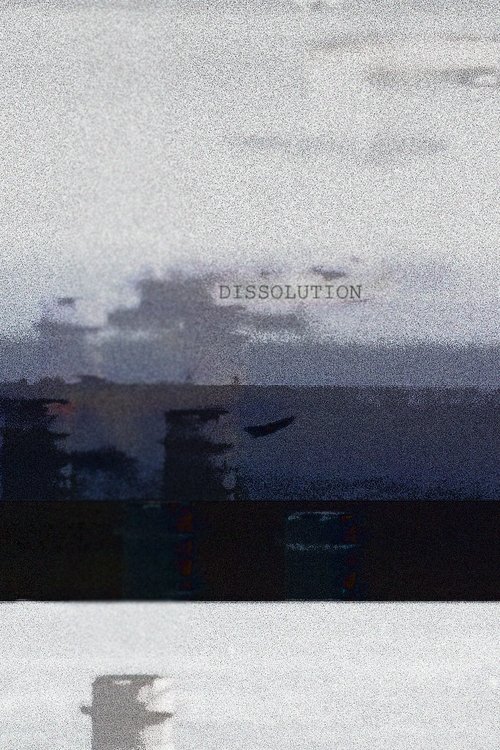
Dissolution
This video takes a particular viewpoint, with the camera placed behind a zone of blur. Slowly, we experience the perception of an expanded time. An expectation is created and resolved in the observation of the passage of boats that dissolve into the nebulousness, disappearing from our sight like a mirage.
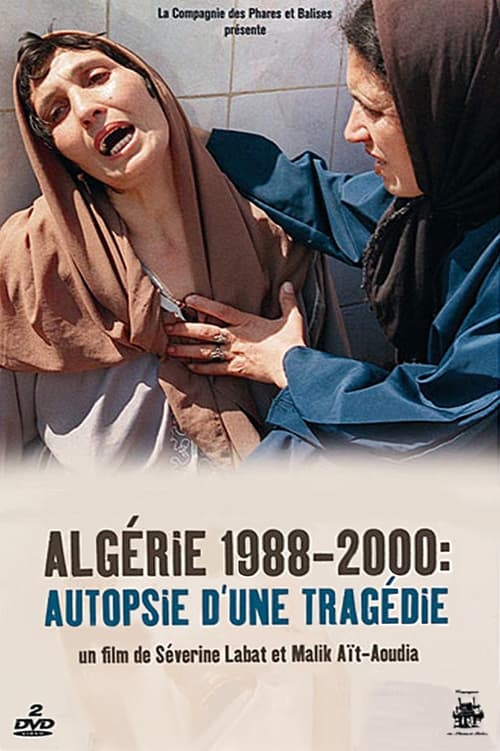
Algérie 1988-2000 : Autopsie d'une tragédie
Algérie 1988-2000 : Autopsie d'une tragédie
Streaming IPTV FAQ
Can I watch this title through IPTV?
Availability depends on your IPTV provider and the rights included in your subscription. This page uses TMDB data for discovery and does not host video content.