Watch The Desert Divers in streaming IPTV
The Desert Divers
Overview
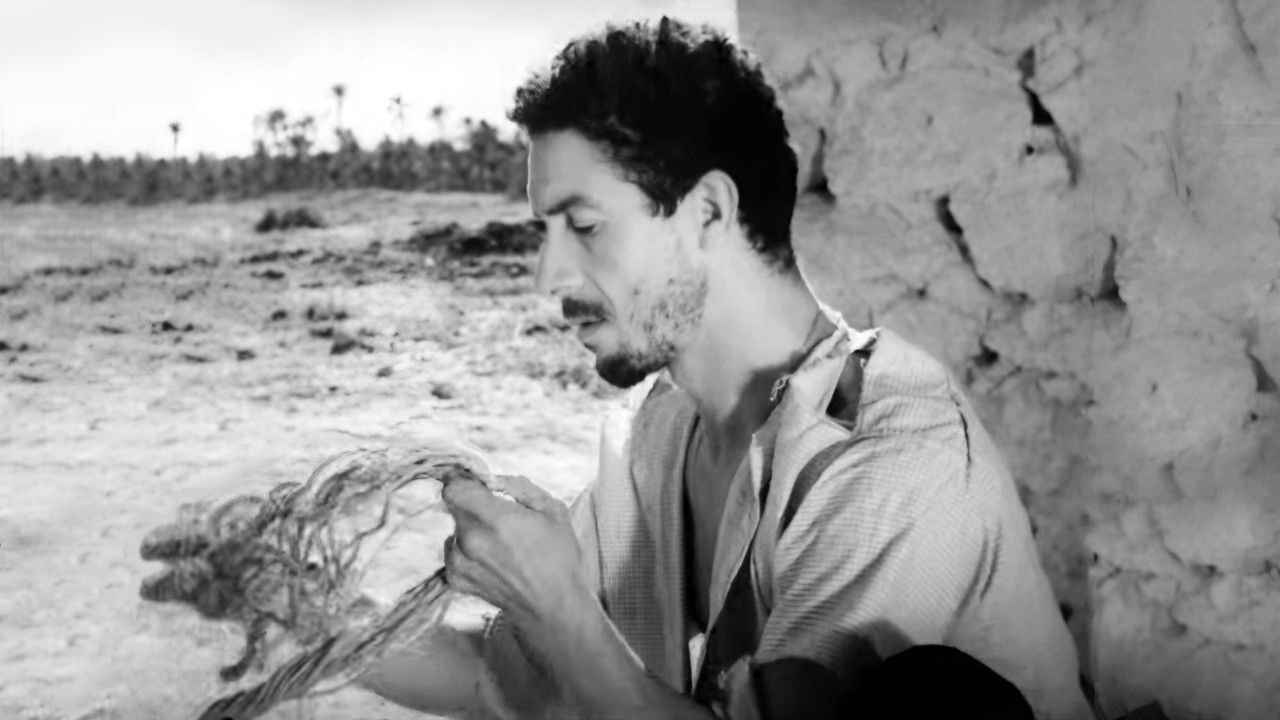
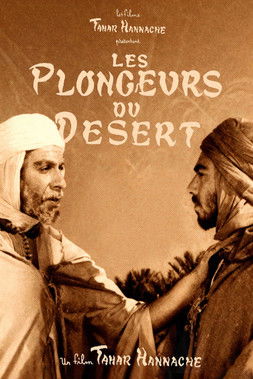
Les Plongeurs Du Désert, directed by Tahar Hannache in 1952, is considered the first entirely Algerian fiction film. It tells the story of the inhabitants of an oasis whose well has dried up. The village elder, Sheikh Messaoud, calls upon the renowned desert divers, artisans specializing in clearing sand- and silt-filled wells, to restore access to the vital water for the community. After their intervention, the water begins to flow again, bringing relief to the oasis and its inhabitants. The film depicts the contrast between the traditional techniques of the divers, embodied by Sheikh Ali and his son Mansour, and the arrival of modernity, represented by the machine that ultimately replaces their craft. This story symbolizes the marginalization of local knowledge in the face of technological progress and the social injustice of the colonial era.
Genres
Cast

Himoud Brahimi
Cheikh Ali
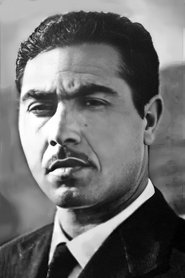
Djamel-Eddine Chanderli
Mansour
Similar titles
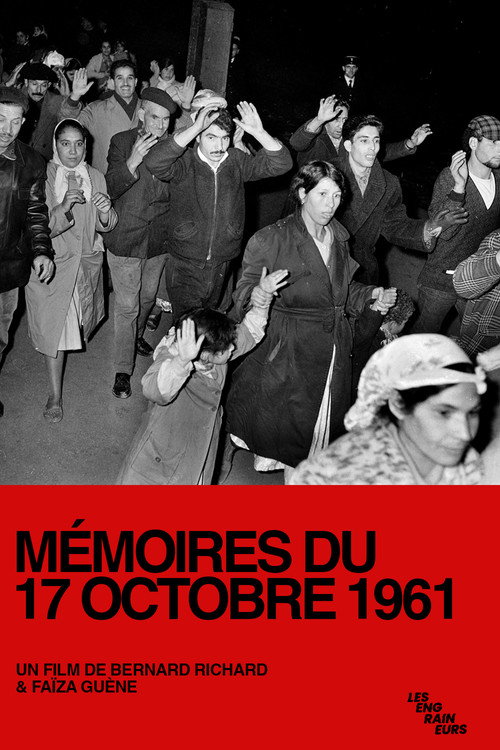
Mémoires du 17 octobre 1961
Three demonstrators from October 17, 1961, and a journalist recount the peaceful success of the demonstration and its brutal repression in the streets of Paris. Five months before the end of the Algerian War, the Gaullist government violently suppressed (40 to 300 deaths in a single evening, according to various sources) a peaceful demonstration by the entire Algerian civilian population of the Paris region, protesting the curfew imposed solely on this population (all participants held French citizenship). The government long denied this state crime; the official version: 3 deaths! In 1962, these events were granted amnesty by a simple decree (later enacted into law) issued by the same Gaullist government.
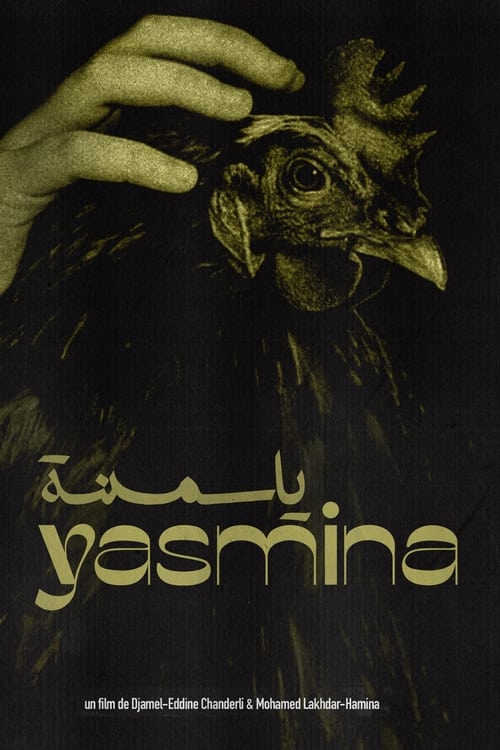
Yasmina
"Yasmina" filmed in 1961 in the middle of the Algerian war tells the story of a little Algerian girl with her hen and her family whose father was killed in a bombing by the French colonial army of occupation. The family, after a long journey, heads towards the refugee camps on the Tunisian border. Produced by the Cinema Service of the Provisional Government of the Algerian Republic (GPRA) in the midst of the war of independence, these films were intended to re-inform the population and international public opinion on the abuses committed by the French colonial army: torture, arrests and arbitrary executions, napalm bombings, fires in douars, entire villages wiped off the map, etc. which the French media described as a "pacification" campaign. The latter censoring or reorienting any images that could harm the colonial narrative.
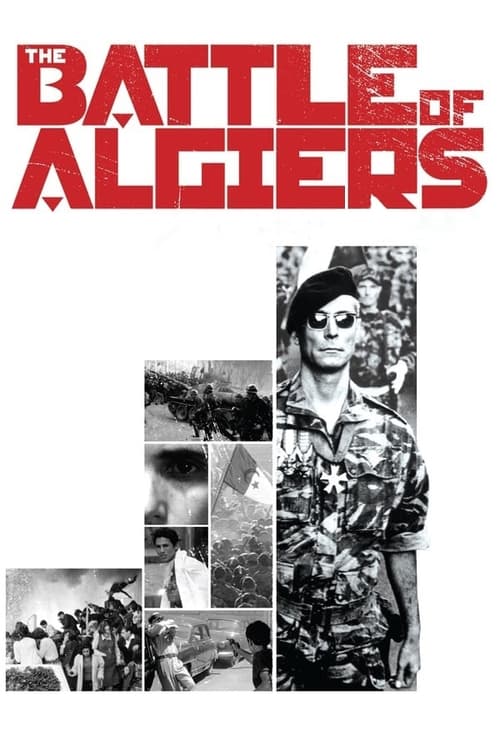
The Battle of Algiers
Former petty criminal Ali la Pointe becomes a commander of the Algerian Front de Liberation Nationale, directing a guerilla insurgency against the colonial French occupation. Paratrooper commander Colonel Phillippe Mathieu, a veteran of World War II and the First Indochina War, is sent to Algeria to reinforce efforts to squelch the uprisings.
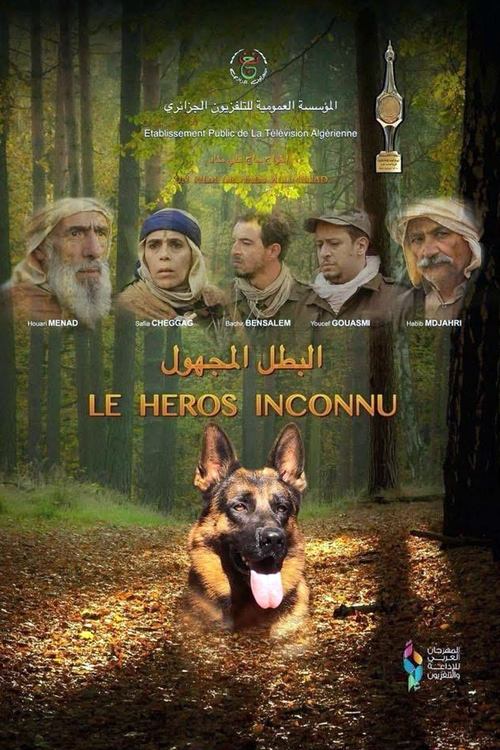
The Unknown Hero
In the midst of the Algerian war for independence, a group of fighters is trapped in the mountains, surrounded by the colonial army. Cut off from their allies, they have only one hope: to transmit a vital message to save their unit. But crossing enemy lines is a suicide mission. Their only chance lies with an unexpected messenger: a courageous dog named Messaoud. Carrying the letter attached to his collar, he embarks on a perilous crossing, braving the hostile nature and the dangers of war. But when he is captured by the enemy, his courage and instinct become his only weapons. Prisoner, hunted, he must risk everything to escape and accomplish his mission before it is too late. Sacrifice, bravery and hope mingle in this breathtaking odyssey where the humblest of heroes can change the course of history. The Unknown Hero, a moving film which won first prize at the Arab World Festival in 2017.

Elli Fat Mat
27 years after 1962, Antoine returns to Algiers...

The Stranger
Algiers, 1938. Meursault, a quiet and unassuming employee in his early thirties, attends his mother's funeral without shedding a tear. The next day, he begins a casual affair with Marie, a work colleague. He quickly slips back into his usual routine.
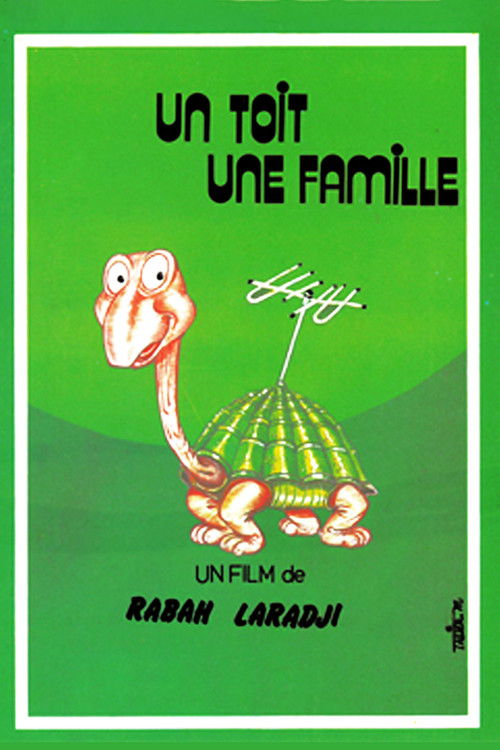
One Roof, One Family
Selim Mechoubine, a young man of 28, is the eldest of a large family. In the cramped accommodation he shares with his parents, brothers and sisters... he occupies the kitchen, the refuge of his dreams and his many fantasies. Selim, the court clerk where divorcing couples parade..., wants to get married. His mother finds him “the rare pearl”. But now, the bride's family demands that the couple have their own home... Selim's misadventure begins; he finds himself confronted with the problems of the housing crisis which forces him to begin a long quest, procedures, requests to find the sine qua non condition for his marriage.
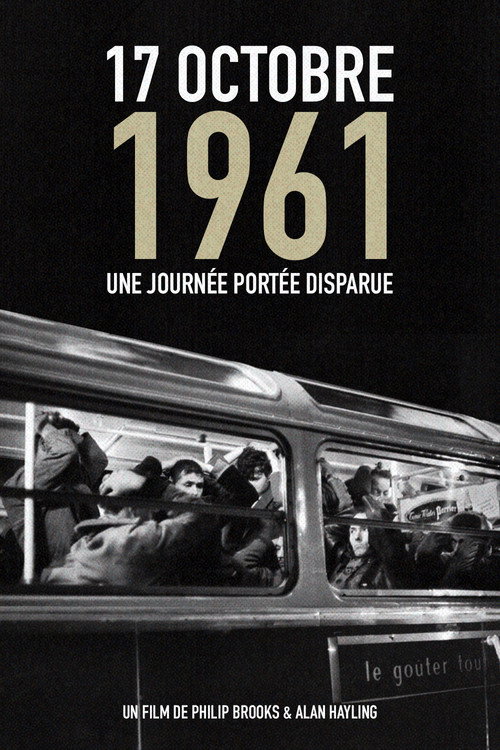
October 17, 1961: A day that went missing
This documentary bears witness to the events that took place more than thirty years before the filming of this movie, on October 17, 1961, in Paris, during the Algerian War. It is a work not only about historical truth but also about memory. Constructed primarily from interviews conducted with those involved in the events, along with archival footage, photographs, and radio broadcasts from the time, our investigation proves that nearly 200 Algerians were killed (drowned, tortured) that night and in the days that followed by the French police. "A Missing Day" seeks to ask two key questions: how could such events have unfolded in the capital of a Western democracy barely thirty years ago? And why have they been silenced ever since?
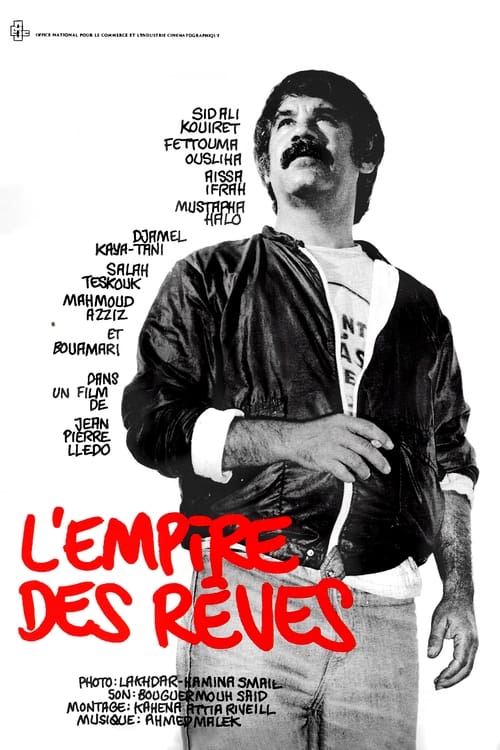
The Empire of Dreams
A stubborn director who wants to rediscover the Algiers of his childhood comes up against the “Hollywood” fantasies of his characters, non-professionals all hoping to be able to become “someone else”, at least for the duration of a film… Mise en abyme for a journey into megalomania…
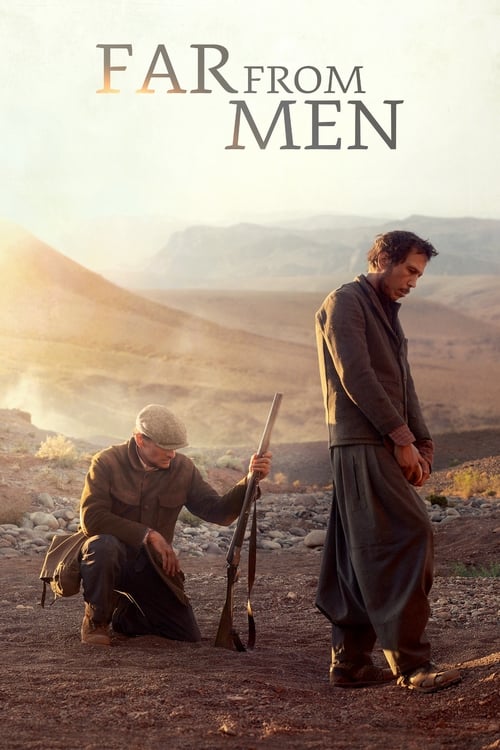
Far from Men
A French teacher in a small Algerian village during the Algerian War forms an unexpected bond with a dissident who is ordered to be turned in to the authorities.
Streaming IPTV FAQ
Can I watch this title through IPTV?
Availability depends on your IPTV provider and the rights included in your subscription. This page uses TMDB data for discovery and does not host video content.