Watch Memories Showers Seas in streaming IPTV
Memories Showers Seas
Overview
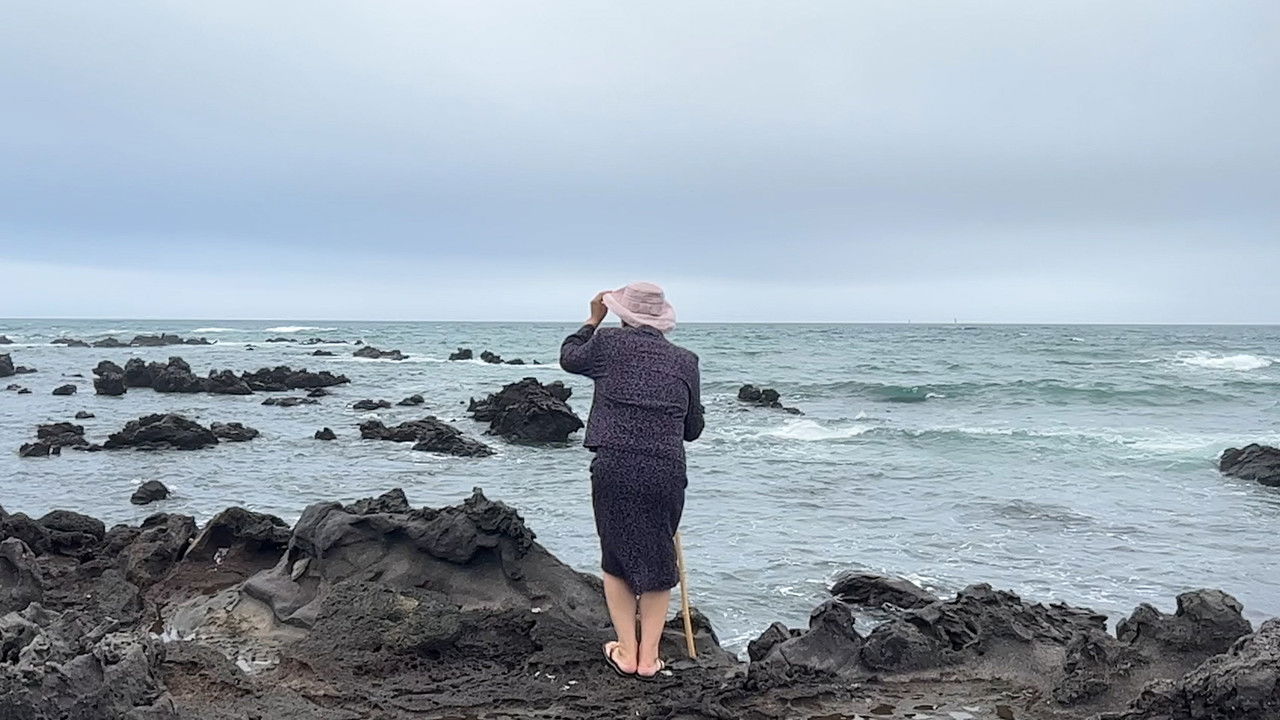
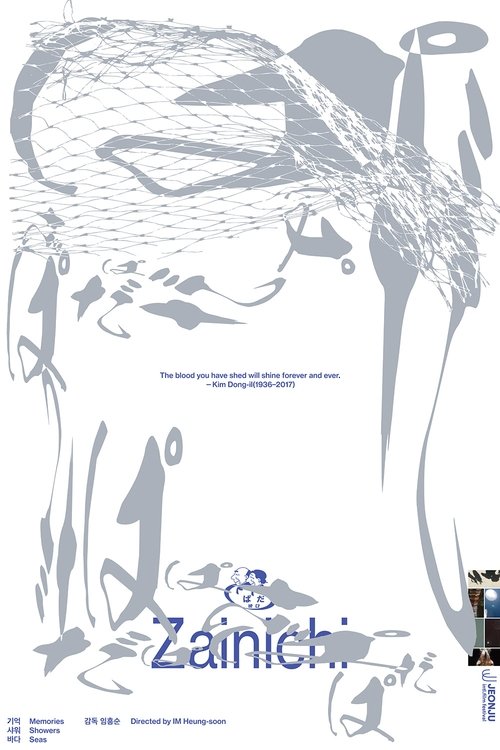
The late Kim Dong-il, a Jeju April 3 refugee in Japan, left behind over 2,000 crocheted items and pieces of clothing that preserved her memories, identity, and history. As the film traces the redistribution of her belongings, it illuminates the still-unhealed lives of various Zainichi Koreans who lived through the same era, sharing and connecting their intertwined memories.
Genres
Similar titles

One for All, All for One
Osaka Korean High School has provided education for the past six decades to the children of pro-North Korean residents in Japan. This school is located only about 20 minutes away from Hanazono Stadium, the mecca of Japan’s high school rugby, but it was not until 1994, 18 years after the foundation of a rugby team at the high school, that the Japanese education ministry approved the team’s entry into the official league. Since then, the team has run in the national league as a representative of the Osaka area and been considered a front-runner ever since. The team has strong players and passionate supporters, but it faces difficulties just before winning the league.

Chang Akio, Fallen Leaves in Sea
1983 KBO 30-win legend Chang Myeong-bu and his hidden yakuza brother, Yong-bu. Divided by the mound's light and alley shadows, they fought to survive Zainichi discrimination. Through Yong-bu's eyes, this tragic saga weaves unseen records and KBO archives into a forgotten diaspora's requiem.
After Chosun
Imman Kim wants to reconcile with his parents, who emigrated to Osaka after April 3 Jeju Uprising. Cheolwoong Park has supported his younger sister during his entire life, blaming his father who moved to Tokyo to avoid guilt-by association. Soonam Park has devoted her life to human rights movement for a second-generation Korean-Japanese and her daughter Mayi Park who also lives as a Korean-Japanese. This film tell us about meaning of a nation through their life stories.
없는 노래
없는 노래
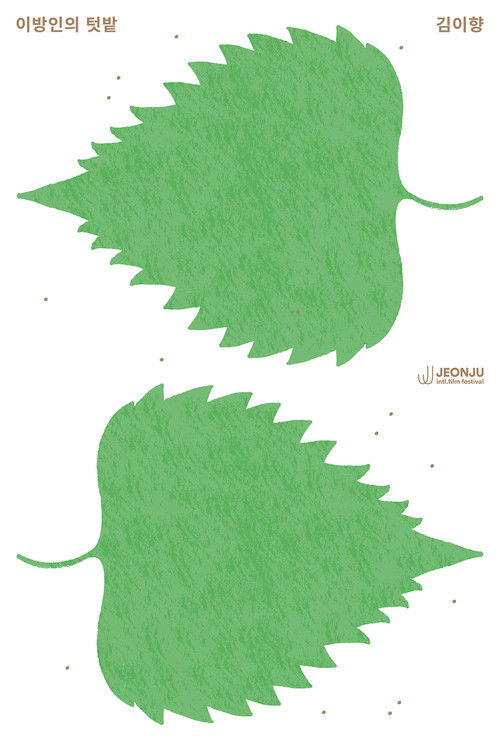
Shiso
A Japanese herb called 'shiso' looks like a perilla leaf but has a unique fragrance. It's like how I have a Korean name and nationality but still feel a sense of alienation in Korean society. The death of my grandmother, a first-generation Zainichi, raises a question for me: Does death also mark the end of the life of an outsider? In the end, where do we return to?
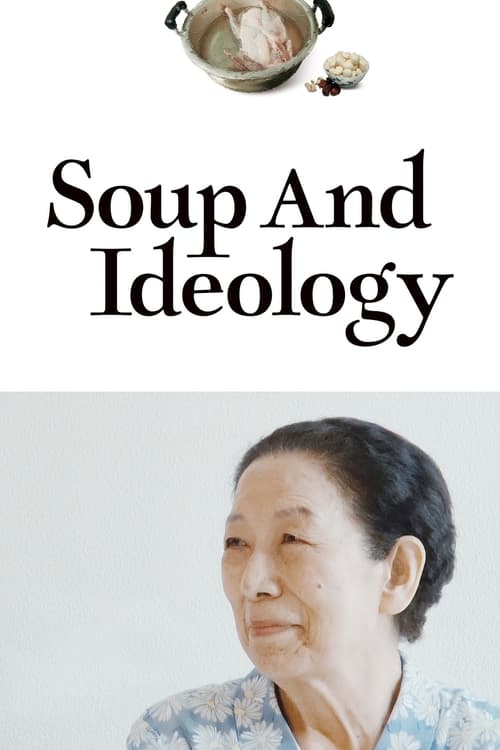
Soup and Ideology
Confronting half of her mother’s life—her mother who had survived the Jeju April 3 Incident—the director tries to scoop out disappearing memories. A tale of family, which carries on from Dear Pyongyang, carving out the cruelty of history, and questioning the precarious existence of the nation-state.

Horoomon
One woman. One racist lie. One lawsuit that shook Japan. Korean Japanese entrepreneur Shin Sugok takes on major media in this electro-shock legal thriller about refusing to be silenced.
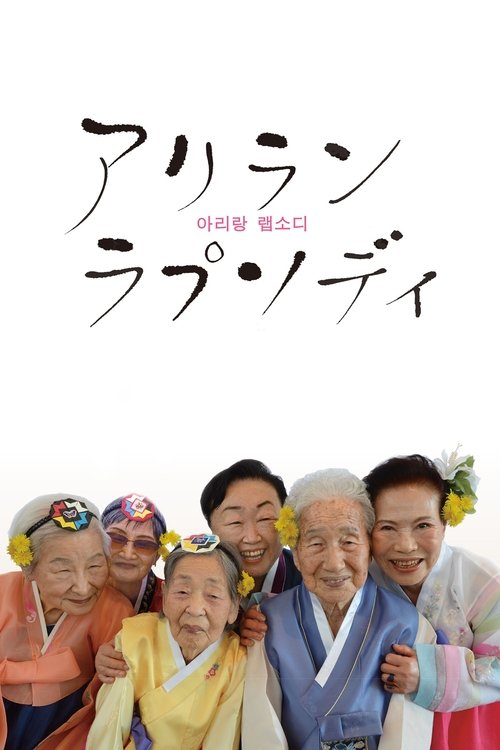
Arirang Rhapsody
The protagonists of the film are the Zainichi Korean women living in Kawasaki. They were tossed about by the war, and after many trips to and fro across the sea in search of a place to live, they finally arrived in Kawasaki, where they have lived modestly and vigorously.

Jeju Prayer
Focusing on Mrs. Kang Sang-hee’s life, she lost her husband in the Jeju Uprising (March 3rd, 1948). The film views the dark-side of Jeju Island, a huge grave, which is completely opposite of the other side of the island, the famous tourist attraction. It says that the tragedy has been going on about the recent Gang-jeong village situation.
May•JEJU•Day
Immediately after liberation, an incident called 'Jeju Uprising' took place on Jeju Island, the Hawaii of Korea, under the control of the US military government. As a result, about one-tenth of the total population of the island at that time was sacrificed. The children who survived the massacre record the memories of that day in an animated film 70 years later.
Streaming IPTV FAQ
Can I watch this title through IPTV?
Availability depends on your IPTV provider and the rights included in your subscription. This page uses TMDB data for discovery and does not host video content.