Watch Bride of Trailer Camp in streaming IPTV
Bride of Trailer Camp
Overview
A compilation of "coming attractions" from bad '50s melodrama through the greatest disaster movies of the '70s. Features a chain of your divas including Bette Davis in What Ever Happened to Baby Jane?, Jeanne Moreau in Mademoiselle, Elizabeth Taylor in Butterfield 8 and Boom, Kim Novak in The Legend of Lylah Clare, Susan Hayward in I'll Cry Tomorrow, and Judy Garland in I Could Go On Singing. One clips is a young Rock Hudson promoting Christmas Seals. Bride of Trailer Camp includes specimens of movie trailer artistry.
Genres
Cast

Bette Davis
(archive footage)

Jeanne Moreau
(archive footage)
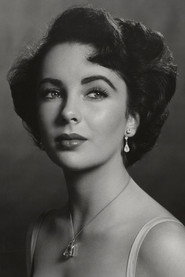
Elizabeth Taylor
(archive footage)

Kim Novak
(archive footage)

Judy Garland
(archive footage)

Susan Hayward
(archive footage)
Similar titles
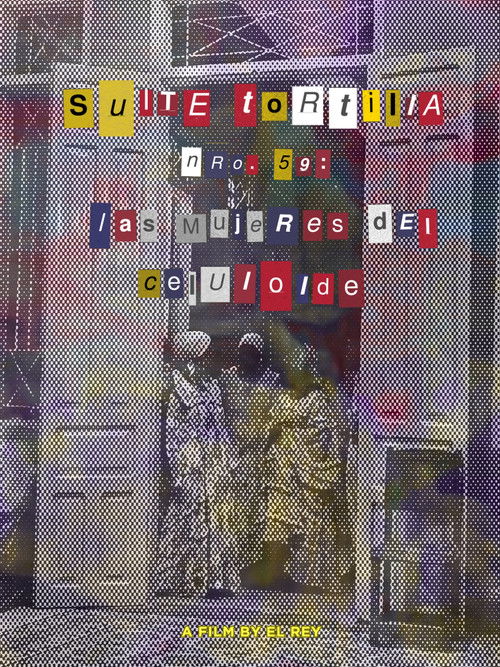
Suite Tortilla #59: The Celluloid Women
An American lesbian in Cuba explores gender through dance and film, blending personal experiences and cultural symbols with music and Revolutionary cinema and questions how lesbians fit into Cuban cinema.
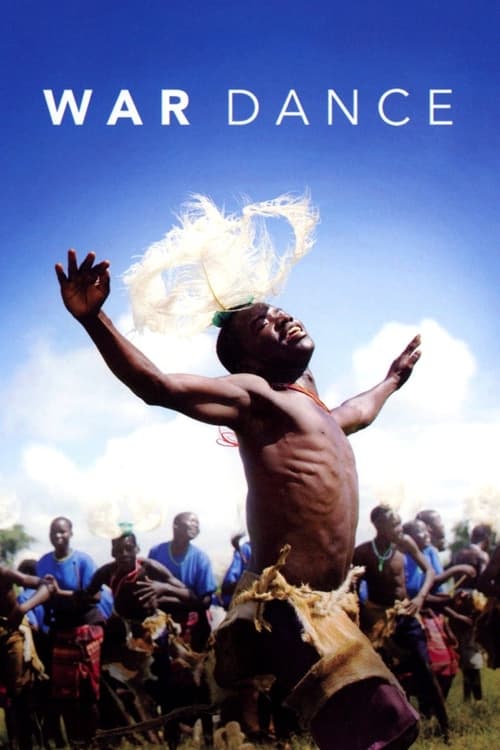
War Dance
Three children living in a displacement camp in northern Uganda compete in their country's national music and dance festival.
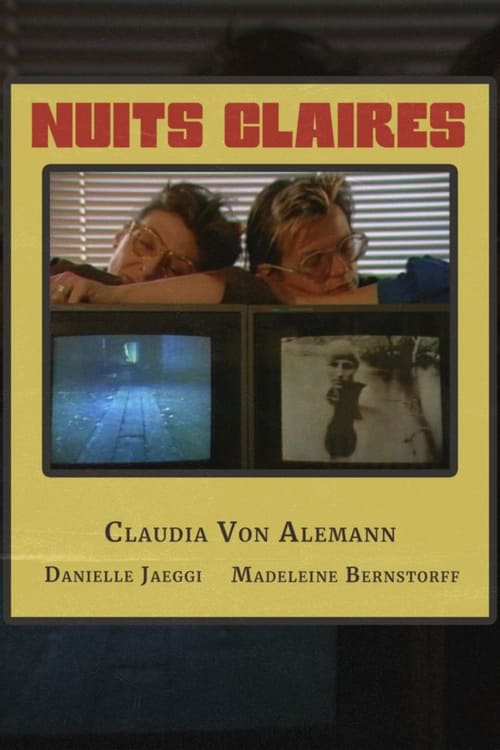
Bright Nights
In an experimentally compiled film review, Danielle Jaeggi, Paule Baillargeon and Claudia von Alemann reflect on their work as filmmakers and life as mothers. Just as the title is based on Michel Leiris' book of poems Bright Nights and Many a Dark Day, the film has its own poetry, which is also evident in shots of everyday activities, such as hands washing dishes. “Just the hair or the relationship of the hands to each other or gestures, and then words come in between and film clips that we talk about, and we were amazed to find that the women we portray in the films always have a lot of trouble with theirs Identity, their search for something, for lost people or lost things. “They are usually looking for something that has been lost, forgotten or gone,” said Claudia von Alemann in the 1992 interview conducted by Renate Fischetti, A Pioneer of Female Film Language. An essay about desire, doubt, contradictions. (fib)

Let Me Do No Harm
A short documentary and character study about a woman's complex relationship with religion and family.
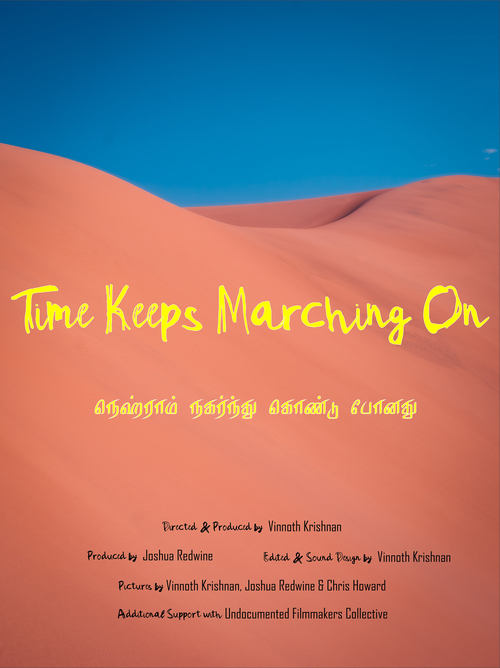
Time Keeps Marching On
An undocumented immigrant explores his and his family's immigration trauma while grasping hope through a voicemail.
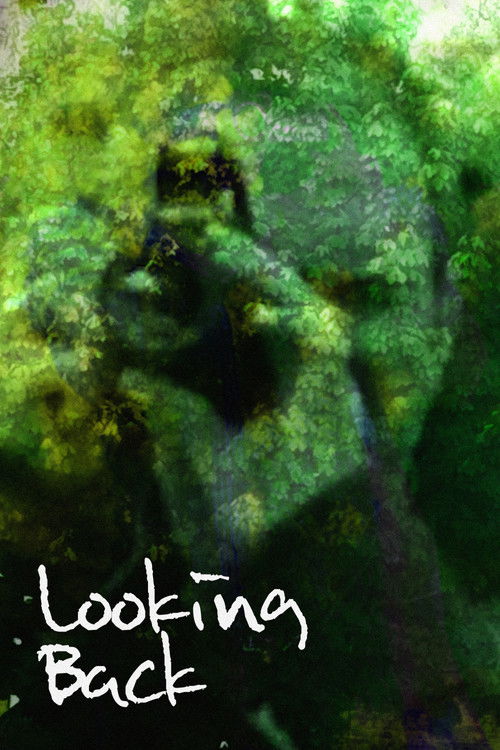
Looking Back
Filmmaker Erin Hobden travels back to her home town to explore her father's documenting of her childhood.

Trailers Schmailers
From the Marx Brothers to Schindler's List, this compilation of Jewish film trailers offers a glimpse at the history of Jews in American cinema. A mixture of humor, social commentary, and drama, these original coming attractions trailers offer insight into the relationship between Hollywood's studio marketing departments and the growing visibility of Jews in American life. Trailers Schmailers includes spotlights on Woody Allen and Barbra Streisand, an overview of films about New York Jewish life, a look at the evolution of films about the holocaust, and more.
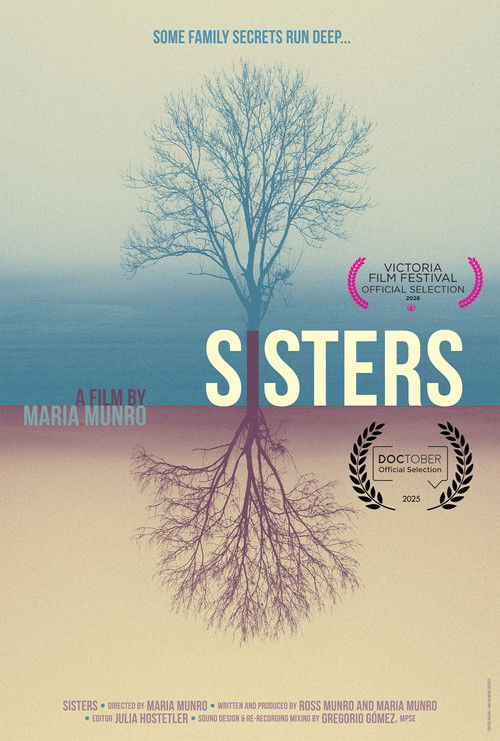
Sisters
“Sisters” is a deeply personal story about my journey back to my home country of Venezuela to investigate the possibility of a long lost sister.
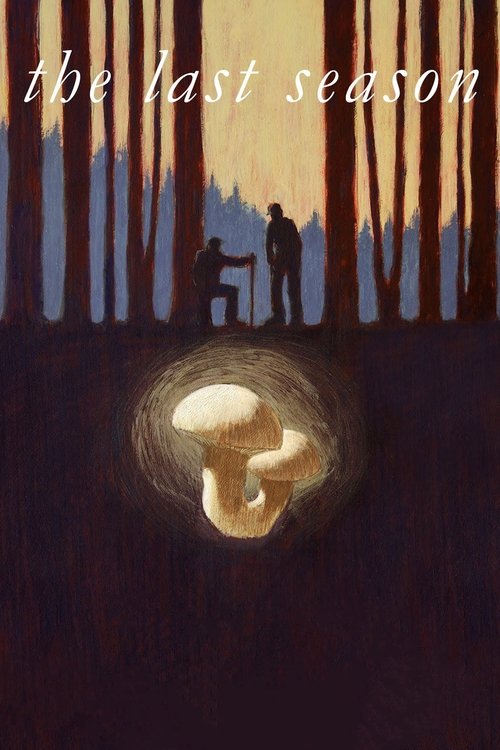
The Last Season
In search of the lucrative matsutake mushroom, two former soldiers discover the means to gradually heal their wounds of war. Roger, a self-described 'fall-down drunk' and sniper in Vietnam, and Kouy, a Cambodian refugee who fought the Khmer Rouge, bonded in the bustling tent-city known as Mushroom Camp, which pops up each autumn in the Oregon woods. Their friendship became an adoptive family; according to a Cambodian custom, if you lose your family like Kouy, you must rebuilt it anew. Now, however, this new family could be lost. Roger's health is declining and trauma flashbacks rack his mind; Kouy gently aids his family before the snow falls and the hunting season ends, signaling his time to leave.
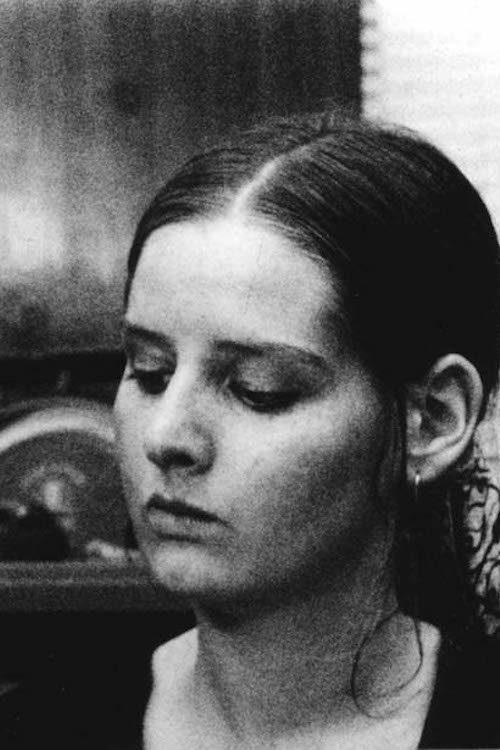
A Film for Discussion
A docu-drama shot in 1970, but not completed until 1973, the film sought to encapsulate in an experimental form issues that were under discussion within the Women’s Liberation Movement at this time and to thus contribute to action for change. In its numerous community screenings, active debate was encouraged as part of the viewing experience.
Streaming IPTV FAQ
Can I watch this title through IPTV?
Availability depends on your IPTV provider and the rights included in your subscription. This page uses TMDB data for discovery and does not host video content.