Watch War of peace in streaming IPTV
War of peace
Overview
This film is about the suffering of Sahrawi youth in the occupied Western Sahara. It tells the tragic story of their lives under occupation, and how Moroccan authorities push them to risk their lives and leave their homeland on flimsy boats to flee from a life of repression, fulfilling Morocco's goal of emptying the territory of youth, who are the foundations of society.
Genres
Similar titles
Children of the clouds
In May 2005, after 30 years of Moroccan occupation, Saharawi students initiated a series of peaceful demonstrations demanding their right to the United Nations-mandated referendum on Western Saharan independence. The Moroccan authorities responded with a brutal campaign of repression, detaining and torturing human rights activists as well as Saharawi students and children as young as eight years old.
Sahrawis, between occupation and exile
From a chronological perspective, “Saharauis, entre la ocupación y el exilio” (2010) explains the origins and key points of the Western Sahara conflict, especially since Spain handed over the territory to Morocco and Mauritania. Based on the interviews with the main people affected by the conflict, among others, this documentary shows the Sahrawi fight for survival in a society and a culture that have been able to prevail in occupied territory as well as in the refugee camps of Tindouf (Algeria).
I am a Sahrawi woman
This is the reality of women of the same nation who live divided by the wall that has separated them for 35 years now. Exiled Sahrawi women who live in the refugee camps in Tindouf (Algeria) have a 88% representation rate in teaching and in healthcare, and 9% in government, evidence that they are the fundamental pillar of society. The ones who remained in the occupied territories of Western Sahara are part of every aspect of the struggle and activism against Moroccan occupation. They protest at the intifadas, they research the plunder of their natural resources, they paint flags, write pamphlets and they belong to the organisations that defend Sahrawi human rights in Western Sahara. These women: former prisoners, formerly missing, activists, today are tortured, harassed, followed, surveilled and violated simply for defending their legitimate right to freely express themselves in favour of Western Sahara’s independence.
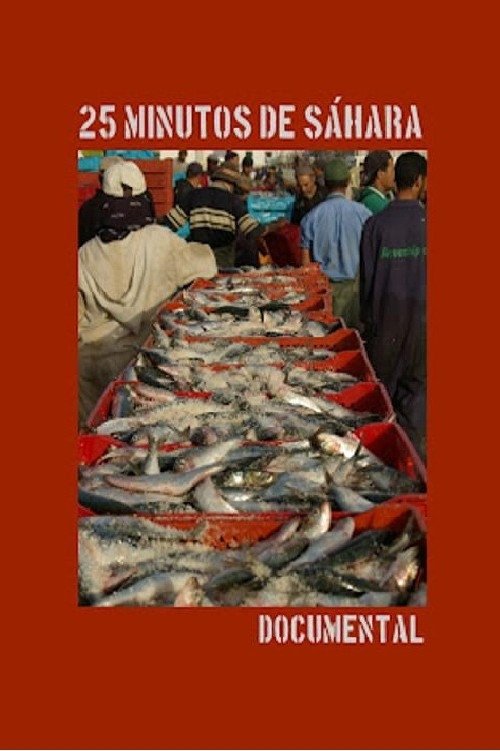
25 minutes of Sahara
25 minutes in the Sahara, is a snapshot of the 34 years of division in which resistance and justice for the Sahrawi community has played out. 1500 seconds of images and voices are heard from exile; voices that are not silent under occupation; that speak as immigrants and that hold their own as an international human platform. 1500 seconds to open and not close your eyes to the reality of these men and women, part of our History. A present of robbed freedoms, properties exploited and forgotten by those who hold the key to the globalisation of toture and repression. A bid, at the end of division, to grant the Right to a Future in the Present, from the West and democratic action in the name of the Sahara.
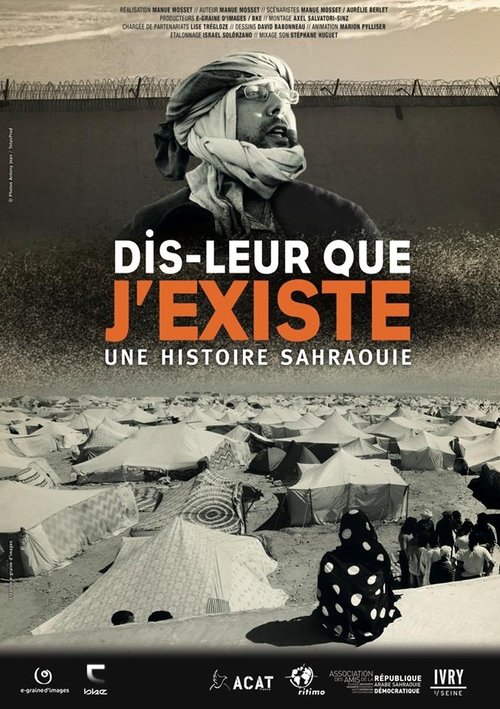
Tell them I exist
Tell them I exist paints the portraits of Naâma Asfari, a Sahrawi jurist and pro-independence activist sentenced to 30 years detention in Morocco; and of his wife, Claude Mangin, who from prison visits to diplomatic meetings, from filing complaints for torture to shows of support, continues to mobilize and raise awareness of the situation in Western Sahara, and of the fate of her husband, in the hope of his release or at least a new and fair trial.
Jadijetu's journey
The narrative of resistance of Sahrawi poet Jadijetu Alaÿat flows against the background of raveling images from an unknown land.

Desert PHOSfate
DESERT PHOSfate is an artist film that tells about the impact of phosphate on the Sahrawi community and its fate, including the surprising emergence of family gardens and their knowledge of how to farm in the desert without the processed phosphorus that had caused the dislocation of the Sahrawi nomads from their homeland of Western Sahara.
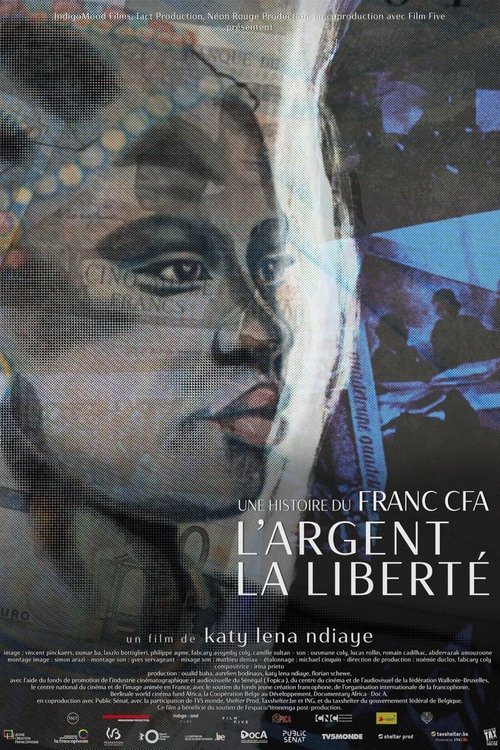
Money, Freedom, a Story of CFA Franc
The former French colonies in Central and West Africa have been independent since 1960, but most of these countries still use the currency of the former oppressor: the CFA franc. It was linked to the French franc when it was introduced, so the national bank in Paris controlled monetary policy. Now the currency has a fixed exchange rate with the euro. The link with the European currency strongly influences the monetary policy of CFA countries. And that means the value of the CFA franc is defined by political decisions taken elsewhere, rather than by the domestic economy.
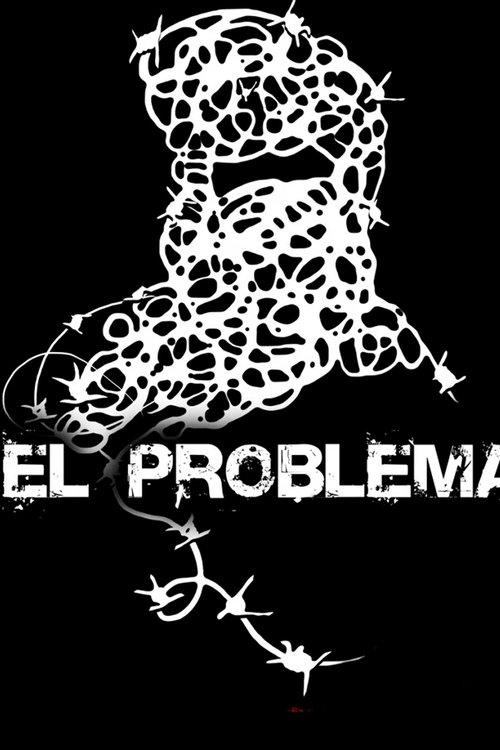
The Problem: Testimony of the Sahrawi people
Morocco doesn’t want you to know what’s happening in the occupied territories of the Western Sahara. The Saharawi people live under constant threat. They can’t mention either the Western Sahara or “referendum”. The situation is known as “The Problem”. Foreign journalists who attempt to take pictures or shoot with a video camera in the Western Sahara are immediately expelled from this former Spanish colony. For Saharawis it means harsh repression from the Moroccan police, who intend to silence the Saharawi population. Welcome to the last colony in Africa. We visited this place. We spent four years compiling material and gathering testimonies from journalists and other professionals who know what’s really happening in the Western Sahara. All of it undocumented until now.
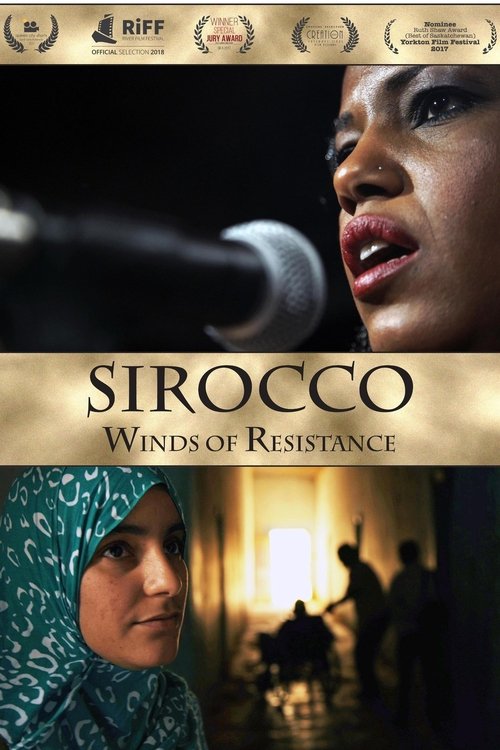
Sirocco: Winds of resistance
Drawing from the inspiration of their grandmothers, singer Aziza Brahim and activist Senia Abderhaman wrestle for the independence of their people from a brutal and corporate backed Moroccan regime using culturally derived methods of music, poetry, and nonviolent resistance.
Streaming IPTV FAQ
Can I watch this title through IPTV?
Availability depends on your IPTV provider and the rights included in your subscription. This page uses TMDB data for discovery and does not host video content.