Watch The Lord’s Prayer in streaming IPTV
The Lord’s Prayer
In a cinematic journey, explore the Lord’s Prayer across the landscapes where Jesus first spoke it. Hosted by Brad Gray and featuring insights from N. T. Wright and other scholars, learn about the prayer’s cultural, historical, and spiritual depth.
Overview
More than a familiar recitation, the Lord’s Prayer is revealed as the very heartbeat of the Gospel: a bold, revolutionary call to live God’s Kingdom here and now. Each line opens a doorway into the world of Scripture, unveiling the cultural, historical, and spiritual depth behind Jesus’s teaching. Through captivating visuals, exceptional scholarship, and powerful storytelling, viewers will rediscover the prayer’s transformative power. It challenges us not merely to say the words, but to embody them—to shape our lives around trust, surrender, forgiveness, and the pursuit of God’s justice and peace.
Genres
Cast
Brad Gray
Self
N.T. Wright
Self
Michael Guillen
Self
Jonathan Pennington
Self
Shively Smith
Self
Yehuda Ashkenazi
Self
Carmen Imes
Self
Cyndi Parker
Self
Randall Smith
Self
Similar titles

When Whales Could Walk
In Egypt's Sahara Desert, massive skeletons with strange skulls and gigantic teeth jut out from the sandy ground. This fossil graveyard, millions of years old, is known as the "Valley of the Whales." Now, paleontologists have unearthed a whole new species of ancient whale dating to 43 million years ago, and this predator wasn't just able to swim – it also had four legs and could walk. Follow scientists as they search for new clues to the winding evolutionary path of mammals that moved from the land into the sea to become the largest animals on Earth.

Atlantis: Secret Star Mappers of a Lost World
Go beyond the lost human history! A profile and examination of the recent findings of a highly advanced human settlement submerged at the end of the Ice Age when the sea level rose. The story of Atlantis has its roots in actual historical events!

SATAN'S GUIDE TO THE BIBLE
SATAN'S GUIDE TO THE BIBLE is an animated documentary. Join Satan as he shares Bible secrets, secrets the students' pastor learned at Christian seminary but is afraid to share. Thankfully, Satan's not afraid of losing his job. Satan has amassed an impressive list of biblical scholars ready to reveal the "standard stuff" taught in Christian seminaries: Bart Ehrman (UNC Chapel Hill), John J. Collins (Yale), Dale Allison (Princeton Seminary), Susan Niditch (Amherst), Ron Hendel (UC Berkeley), and Hector Avalos (Iowa State). This is established seminary curriculum about biblical history, biblical morals, authorship claims, and early Christianity — a curriculum never shared with the congregation. Darkly comedic, but thoroughly researched, SATAN'S GUIDE TO THE BIBLE is a fascinating journey into the secrets of the world's best-selling book.
Yeshua
Split into five parts and filmed on location in Israel and elsewhere, Yeshua features interviews with scholars, reenactments of events, and recreations of ancient culture and ritual.

PINBALL
In a contemplative coming of age portrait, PINBALL follows Yosef, a spirited athlete, in Louisville, Kentucky as he dives into the memories of his journey from Iraq to America and what it means to chase his dreams in the shadow of a war that displaced his family from their Iraqi homeland.
Nefertiti and the Lost Dynasty
It is one of Egypt's enduring mysteries. What happened to Nefertiti and her husband, Akhenaten - the radical king, and likely father of King Tut? In a dark and mysterious tomb located in the Valley of the Kings, there is a small chamber with two mummies without sarcophagi or wrappings. At times, both have been identified as Queen Nefertiti by scholars, filmmakers and historians. But the evidence has been circumstantial at best.

Gothix
An innovative and charismatic influencer is suddenly exiled from her community of creative partners and colleagues when she states an opinion that she did not know was “unacceptable” in their eyes.
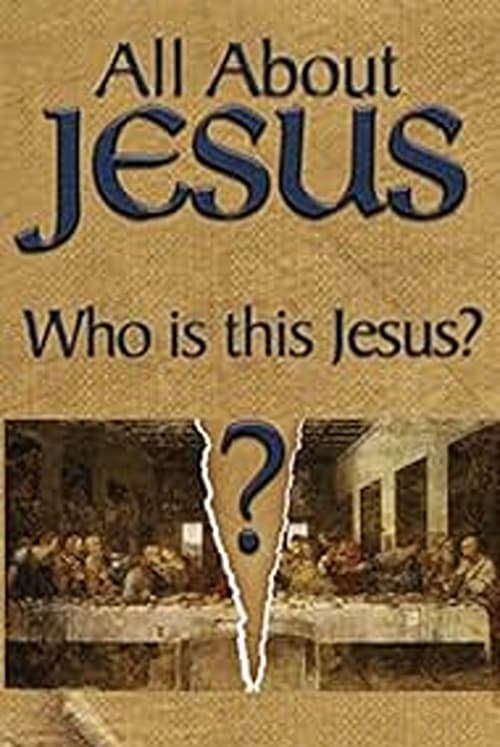
All About Jesus – Who Is This Jesus?
Hosted by D. James Kennedy, PH.D. and Dean Jones. Enriched with scenes from the dramatic mini-series A.D., this fast pace documentary provides exciting explanations to some of the most important questions ever asked regarding the most controversial man who ever lived -- Jesus Christ.

The Way South
Johan van der Keuken went against the grain in 1980: from Amsterdam (on April 30 with the coronation riots and squatting actions) via Paris, southern France and Italy to Egypt. He made his personal travelogue in three parts for VPRO television. Later, he fused the three parts into one long movie.

Look At Us In Jerusalem
Look At Us In Jerusalem
Streaming IPTV FAQ
Can I watch this title through IPTV?
Availability depends on your IPTV provider and the rights included in your subscription. This page uses TMDB data for discovery and does not host video content.