Watch Écoutez May Picqueray in streaming IPTV
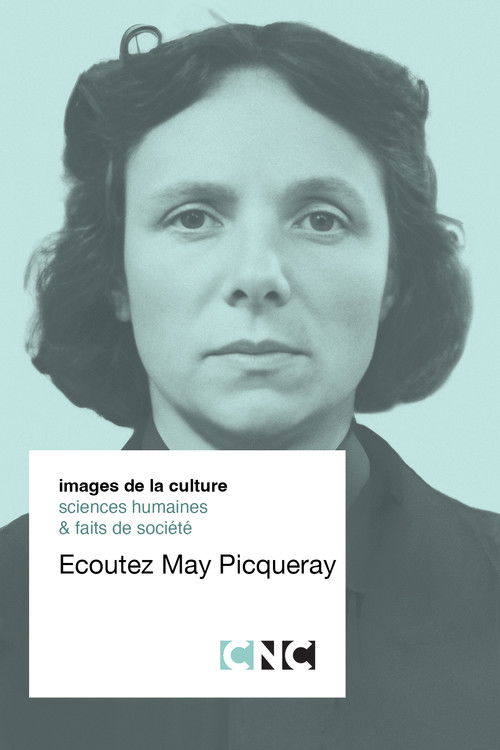
Écoutez May Picqueray
Overview
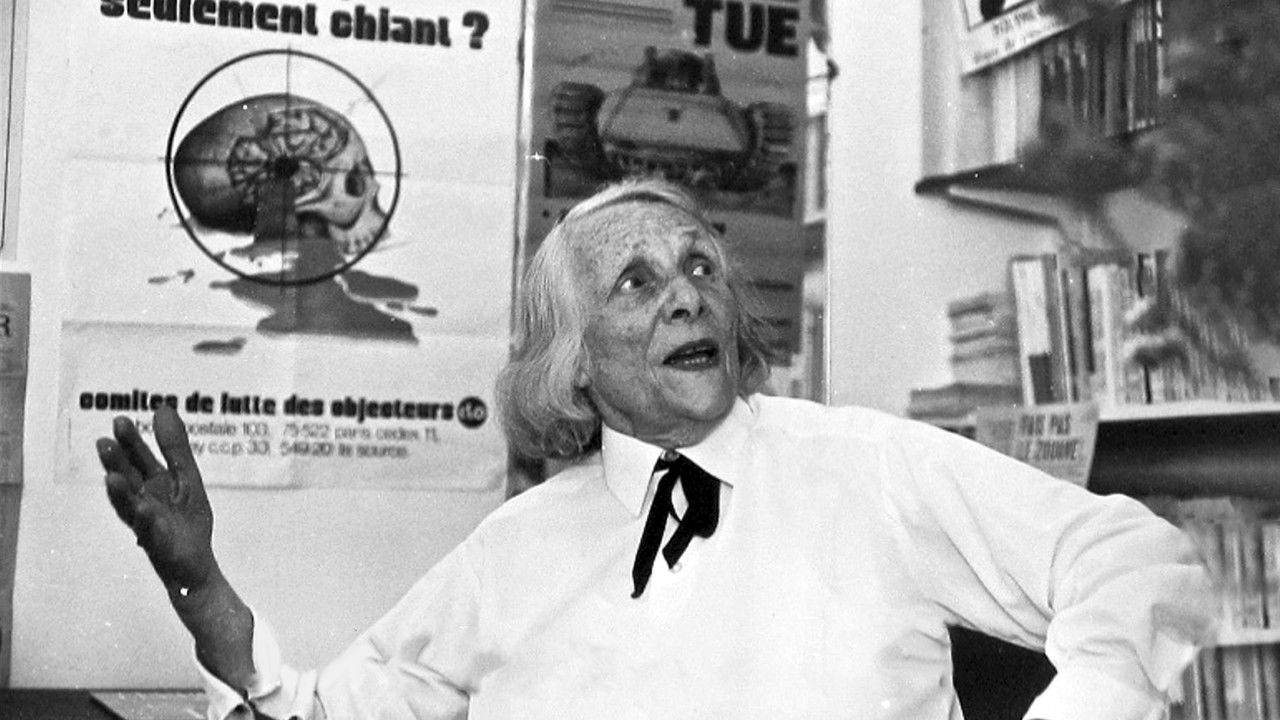
"Well, I believe in anarchy! And I believe it will come true one day." That's what "May the Rebel," a union activist, anti-militarist, and anarchist, always ready to denounce oppression and defend victims, affirms at 85. Born in Brittany, she earned her living at age 10 delivering butter. In Paris, at 20, she became involved with the Anarchist Union. Sébastien Faure became her mentor. She used a grenade to trigger the Sacco-Vanzetti affair. A union delegate in Moscow in 1922, she sang "Hymn to Anarchy" before Trotsky. Children during the Spanish Civil War, Jews during the Second World War, conscientious objectors alongside Louis Lecoin during the Algerian War, and later, through her newspaper Le Réfractaire, the Larzac, Plogoff, and Creys-Malville protests—all these were battlegrounds for May Picqueray. To the very end, she remained true to her commitment to defending peace and individual liberties.
Genres
Cast
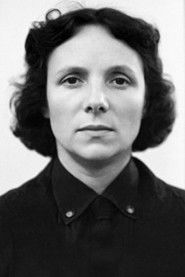
May Picqueray
Self
Similar titles
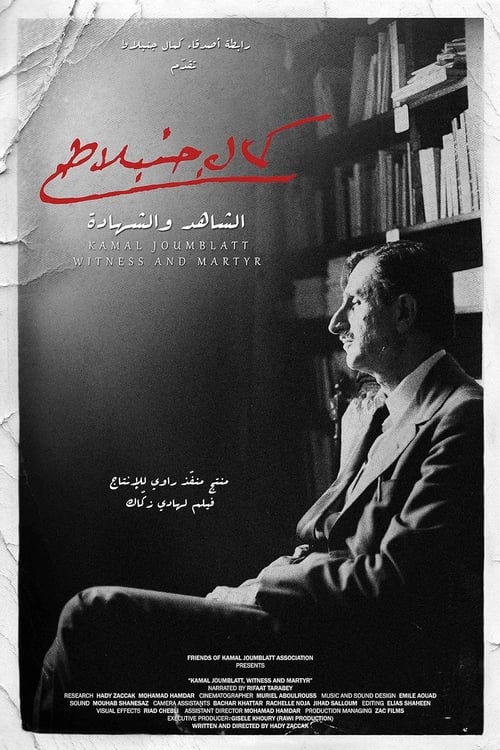
Kamal Joumblatt, Witness and Martyr
Kamal Jumblatt, the Master of Moukhtara Castle, recounts the major events of his life until his assassination on March 16, 1977. The film takes us on a global journey from Lebanon to India, in the footsteps of Kamal Jumblatt, the founder of the PSP (Progressive Socialist Party), the leader, the rebel, the reformer, the thinker, the poet, the Yogi … Kamal Jumblatt (1917-1977) becomes the last witness... of his own life.

Stop for Bud
Stop for Bud is Jørgen Leth's first film and the first in his long collaboration with Ole John. […] they wanted to "blow up cinematic conventions and invent cinematic language from scratch". The jazz pianist Bud Powell moves around Copenhagen -- through King's Garden, along the quay at Kalkbrænderihavnen, across a waste dump. […] Bud is alone, accompanied only by his music. […] Image and sound are two different things -- that's Leth's and John's principle. Dexter Gordon, the narrator, tells stories about Powell's famous left hand. In an obituary for Powell, dated 3 August 1966, Leth wrote: "He quite willingly, or better still, unresistingly, mechanically, let himself be directed. The film attempts to depict his strange duality about his surroundings. His touch on the keys was like he was burning his fingers -- that's what it looked like, and that's how it sounded. But outside his playing, and often right in the middle of it, too, he was simply gone, not there."
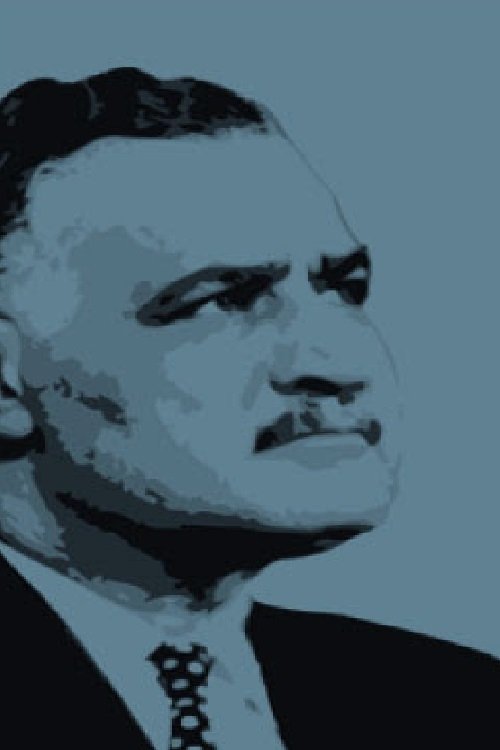
Nasser: From Dream to Disaster
Through eyewitness accounts and archival footage, viewers are taken on a journey through the great battles that defined President Gamal Abdel Nasser's life—from dramatic economic development initiatives to his ambitions for creating a unified Arab nation. The film chronicles his inspiring success and tragic failures while also exploring how he inspired generations of global leaders in both politics and activism.
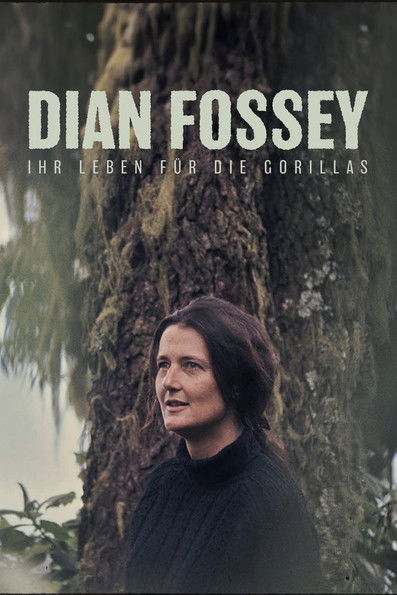
Dian Fossey: Ihr Leben für die Gorillas
She was the first to study gorillas in their natural environment: the high mountains of Rwanda, where she settled in 1967. For nearly twenty years, Dian Fossey lived with the gorillas, observed their behavior, and changed the way people viewed them. Her relentless fight against poaching prevented the species from becoming extinct. But in December 1985, the primatologist was murdered, and the mystery surrounding her death remains unsolved. Former colleagues, scientists, and biographers shed light on the impact of her work, but also on the darker sides of her personality and her uncompromising commitment.
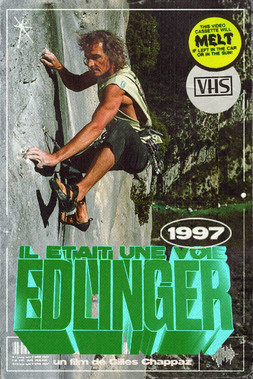
Il Était Une Voie Edlinger
Fifteen years have passed since the spectacular images of Jean-Paul Janssen's "Life at Your Fingertips" introduced the general public to free climbing and its embodiment: Patrick Edlinger. We witnessed the birth of a sporting phenomenon that would leave a lasting mark on generations of climbers. But fifteen years later, in 1997, beyond the myth, where is Patrick Edlinger? Gilles Chappaz found him on some of the most beautiful walls of the Verdon Gorge and other cliffs during the filming of Maurice Rebeix's documentary "Roc'n Wall 97," where he shares his climbing practice and philosophy with the younger generation, including Liv Sansoz and Arnaud Petit.
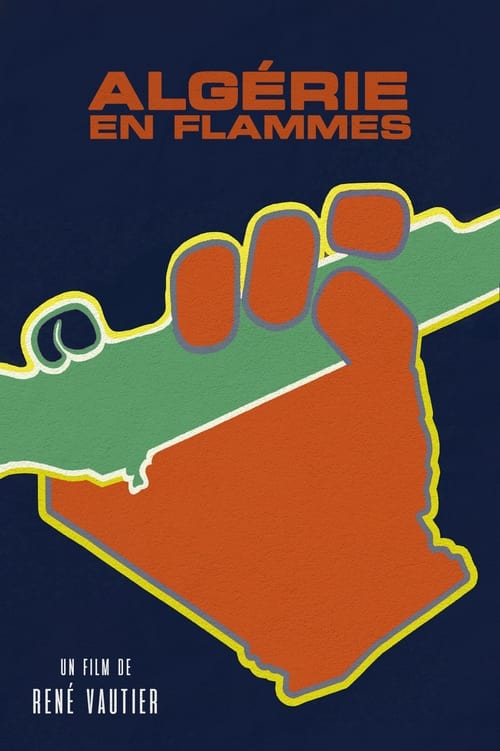
Algeria in Flames
These are the first images shot in the ALN maquis, camera in hand, at the end of 1956 and in 1957. These war images taken in the Aurès-Nementchas are intended to be the basis of a dialogue between French and Algerians for peace in Algeria, by demonstrating the existence of an armed organization close to the people. Three versions of Algeria in Flames are produced: French, German and Arabic. From the end of the editing, the film circulates without any cuts throughout the world, except in France where the first screening takes place in the occupied Sorbonne in 1968. Certain images of the film have circulated and are found in films, in particular Algerian films. Because of the excitement caused by this film, he was forced to go into hiding for 25 months. After the declaration of independence, he founded the first Algerian Audiovisual Center.
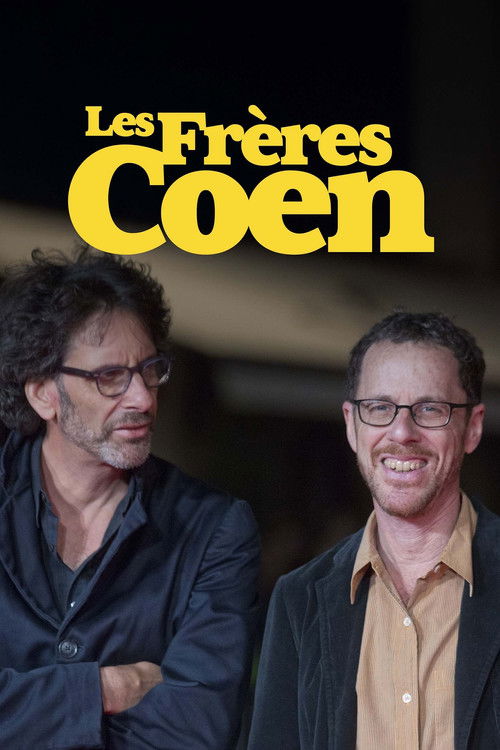
The Coen Brothers Story
Tracing the careers of these two cinema enthusiasts, this documentary reveals the secrets behind the work of Ethan and Joel Coen, screenwriters and directors who are interchangeable within the same two-headed entity. It features fascinating, previously unseen interviews with some of the most iconic actors from their filmography.
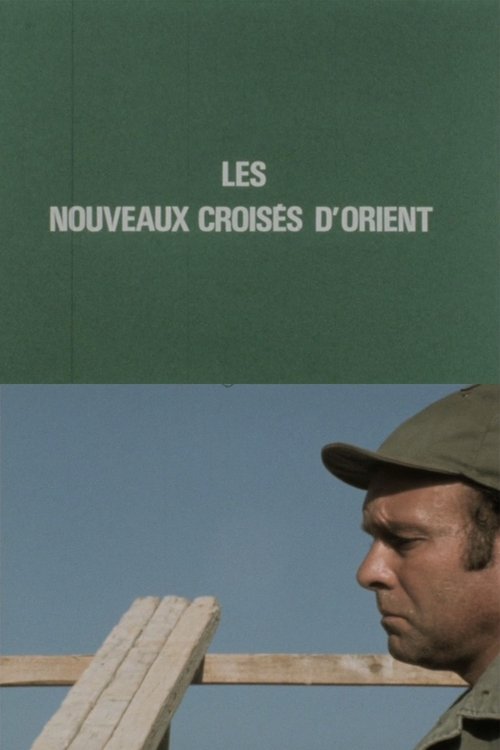
Personal Drawing of a French Mercenary
Portrait of a French mercenary working in Libya, hired by the Phalange to train the militias. War leaves its traces; and for some, who see death as part of the job, it’s a vocation.
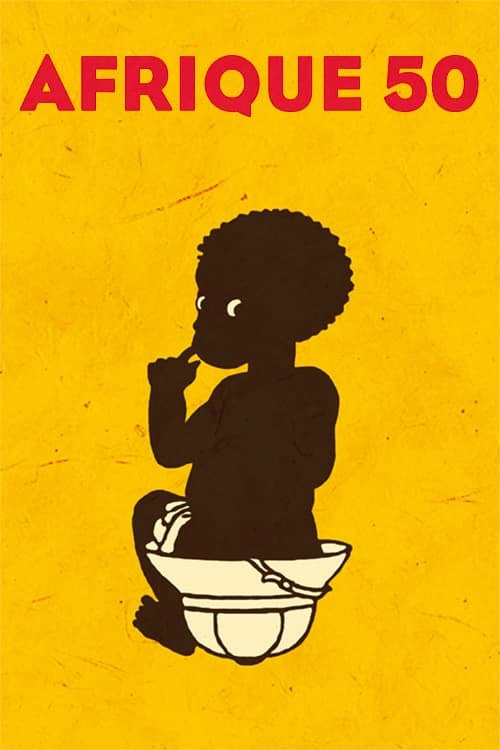
Afrique 50
The first French anti-colonialist film, derived from an assignment in which the director was to document educational activities by the French League of Schooling in West Africa. Vautier later filmed what he actually saw: “a lack of teachers and doctors, the crimes committed by the French Army in the name of France, the instrumentalization of the colonized peoples.” For his role in the film, Vautier was imprisoned for several months. The film was banned from public screening for more than 40 years.
Pretty song
Fragments from a portrait of Jean-Louis Costes - sincere artist, versatile designer, poet of excess -, a man forever atoning his anguish through singing, performance, drawing and writing...
Streaming IPTV FAQ
Can I watch this title through IPTV?
Availability depends on your IPTV provider and the rights included in your subscription. This page uses TMDB data for discovery and does not host video content.