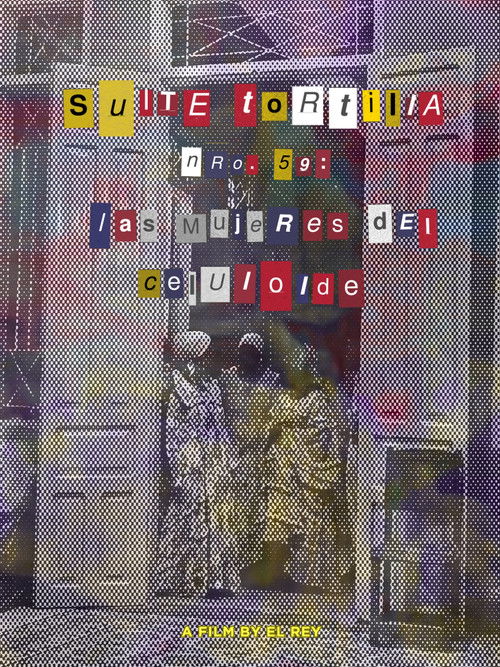
Watch Suite Tortilla #59: The Celluloid Women in streaming IPTV
Suite Tortilla #59: The Celluloid Women
¿Qué pasa con la cuestión lésbica?
Overview
An American lesbian in Cuba explores gender through dance and film, blending personal experiences and cultural symbols with music and Revolutionary cinema and questions how lesbians fit into Cuban cinema.
Genres
Cast
Eliseo Altunaga
Self (Voice)
Fidel Castro
Self (Voice)

Sergio Corrieri
Self (Voice)
Adriana Fernández Castellanos
Self (Voice)

Amiel Williams
Narrator / Self (Voice)
Claudia Terry
Self (Voice)
Eslinda Núñez
Self

Adela Legrá
Self

Daisy Granados
Self
Similar titles
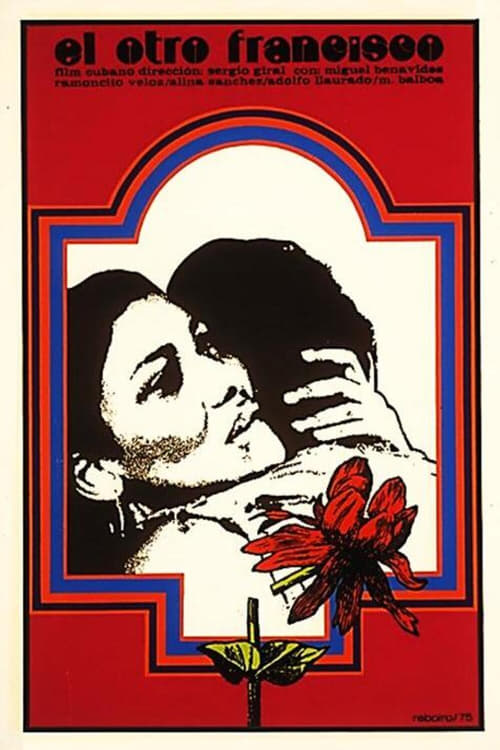
The Other Francisco
Based on the novel Francisco by Anselmo Suárez y Romero, "The Other Francisco" is a socio-economic analysis of slavery and class struggle through the retelling of the original novel. The film contrasts the romantic conceptions of plantation life found in Suárez Romero's novel with a realistic expose of the actual historical conditions of slavery throughout the Americas. It offers a critical analysis of the novel, showing how the author's social background led to his use of particular dramatic structures to convey his liberal, humanitarian viewpoint.
Repainting Cuba
Repainting Cuba takes a critical look at communist Cuba, where both the facades and the aging regime were given a coating of colorful paint in connection with the 50 year anniversary of the revolution. Two young Cubans under house arrest talk about being imprisoned for dealing with foreign tourists in a society where gossip and backstabbing is endemic, and where the heavy varnish can’t conceal the cracks.
Cuba Libre
Simon and Samuel are two Cuban kids who will experience the defeat of the Spanish Army in their country and the ensuing US occupation in 1898 as an intense period of their lives.
Suite Tortilla #60: The New Man and the Schoolteacher
A documentary vignette explores the life of Revolutionary feminist and filmmaker Magda Gonzalez Grau, capturing a pivotal interview moment that reveals her evolving feminist politics during the Cuban Revolution.
Embrujo antillano
Power struggles among the owners of a cigar factory;meanwhile, a society babe and a factory girl compete over the youngest of the executives.
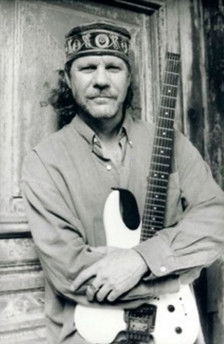
So Near... So Far
The young American Pablo Menéndez came to Cuba to study Music at the National School of Art. Here he formed a family and became one more Cuban. Member of the Sound Experimentation Group of ICAIC and promoter of the teaching of the electric guitar in Cuba, he is, together with his group Mezcla, one of our most original musicians.
Sisters
“Sisters” is a deeply personal story about my journey back to my home country of Venezuela to investigate the possibility of a long lost sister.

Daimara y el Baile Zombie
Daimara y el Baile Zombie
Buena Vista Social Club
In this fascinating Oscar-nominated documentary, American guitarist Ry Cooder brings together a group of legendary Cuban folk musicians (some in their 90s) to record a Grammy-winning CD in their native city of Havana. The result is a spectacular compilation of concert footage from the group's gigs in Amsterdam and New York City's famed Carnegie Hall, with director Wim Wenders capturing not only the music -- but also the musicians' life stories.
Amistad
In 1839, the slave ship Amistad set sail from Cuba to America. During the long trip, Cinque leads the slaves in an unprecedented uprising. They are then held prisoner in Connecticut, and their release becomes the subject of heated debate. Freed slave Theodore Joadson wants Cinque and the others exonerated and recruits property lawyer Roger Baldwin to help his case. Eventually, John Quincy Adams also becomes an ally.
Streaming IPTV FAQ
Can I watch this title through IPTV?
Availability depends on your IPTV provider and the rights included in your subscription. This page uses TMDB data for discovery and does not host video content.