
Watch Terra Senzo Tempo in streaming IPTV
Terra Senzo Tempo
Overview
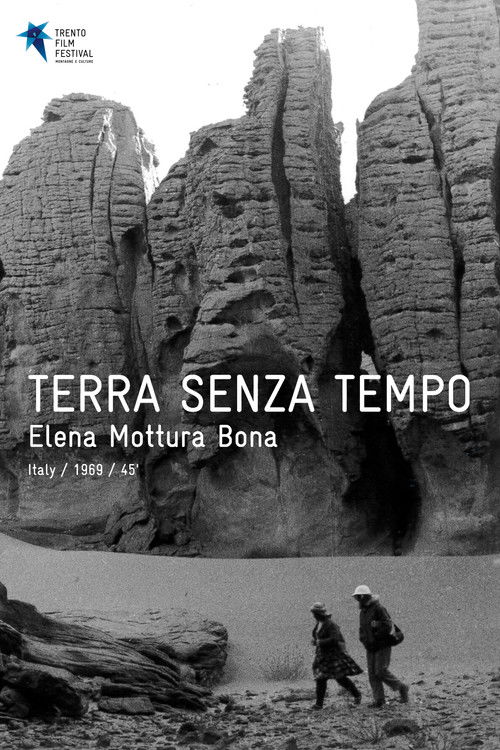
This is the journal of an expedition that, starting from the oasis town of Djanet, embarked on a 12-day journey guided by a member of the Algerian Tourism Club to discover the rock paintings of Tassili n'Ajjer in southeastern Algeria. These paintings date back to prehistoric times (10,000 to 5,000 years ago) and are located on an uninhabited rocky plateau whose highest point reaches 2,158 meters. Considered one of the largest and oldest "open-air rock art museums" in the world, the Tassili n'Ajjer boasts a particularly rugged landscape: the vast rocky plains, which sometimes give way to "forests" of monoliths, are riddled with akbas (holes in the escarpments accessible only on foot or by camel) and numerous faults and canyons. The Tassili n’Ajjer National Park was inscribed on the UNESCO World Heritage List in 1982 and classified as a biosphere reserve in 1986.
Genres
Similar titles
As Long As We Love Her
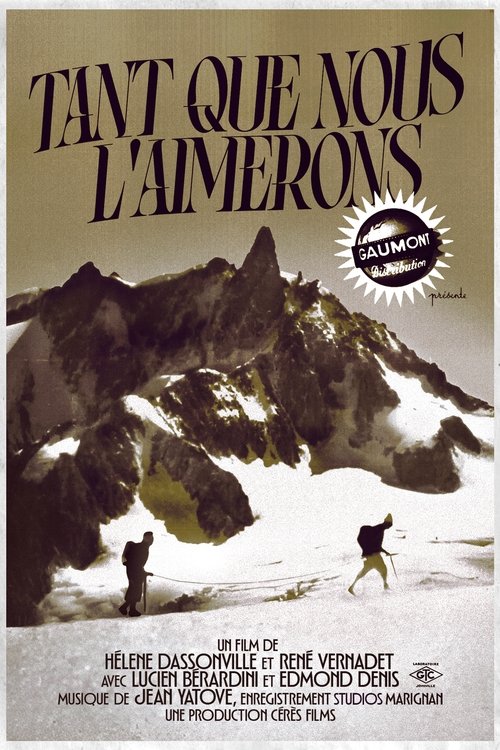
Lucien Berardini and Edmond Denis are two mountaineers who took part in the French expedition to Aconcagua (Andes Mountains) in 1954. Both suffered severe frostbite to their fingers and toes, and three years later, they set out to climb the Aiguille du Géant, a legendary route in the Mont Blanc massif. The camera closely follows the efforts of the roped party, an example of strength and self-sacrifice, until their victorious arrival at the summit.
Avant de franchir la ligne d'horizon
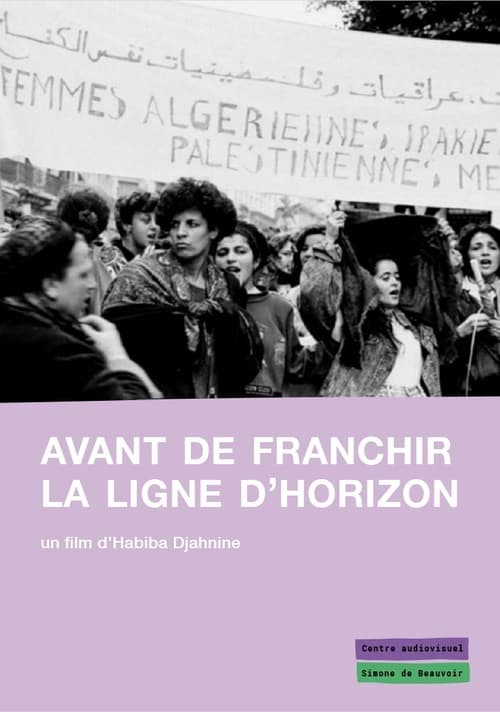
Habiba Djahnine went to meet activists who continue to take action. To meet them, to capture them in the spaces where they live, work or fight. They inscribe a few words of our tormented history. Memory, memory gaps, background noise, demonstrations... The film bears witness to 20 years of political mobilization/repression in Algeria.
Stones and Flies: Richard Long in the Sahara
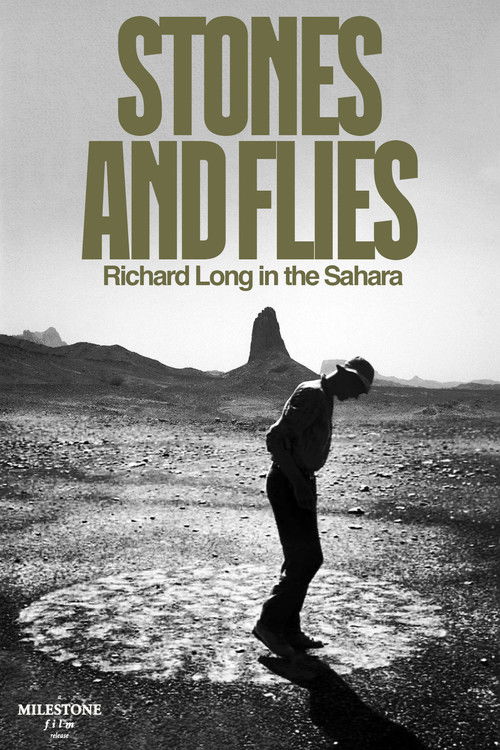
In the fall of 1987, Philippe Haas accompanied the sculptor Richard Long to the Algerian Sahara and filmed him tracing with his feet, or constructing with desert stones, simple geometric figures (straight lines, circles, spirals). In counterpoint to the images, Richard Long explains his approach. Since 1967, Richard Long (1945, Bristol), who belongs to the land art movement, has traveled the world on foot and installed, in places often inaccessible to the public, stones, sticks and driftwood found in situ. His ephemeral works are reproduced through photography. He thus made walking an art, and land art an aspiration of modern man for solitude in nature.
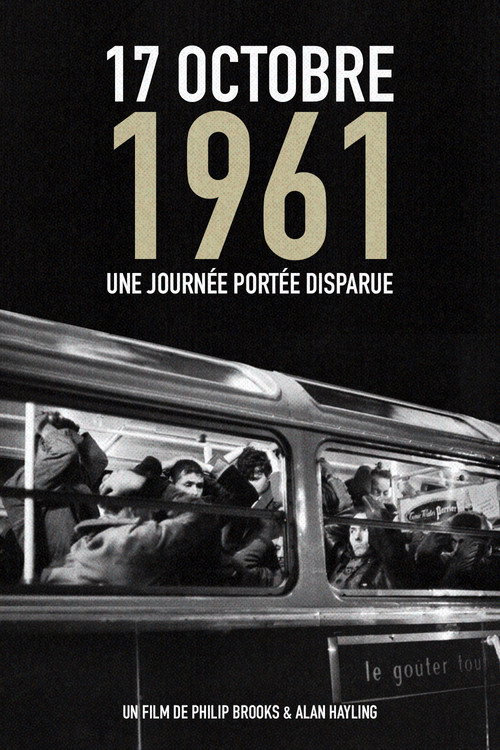
October 17, 1961: A day that went missing
This documentary bears witness to the events that took place more than thirty years before the filming of this movie, on October 17, 1961, in Paris, during the Algerian War. It is a work not only about historical truth but also about memory. Constructed primarily from interviews conducted with those involved in the events, along with archival footage, photographs, and radio broadcasts from the time, our investigation proves that nearly 200 Algerians were killed (drowned, tortured) that night and in the days that followed by the French police. "A Missing Day" seeks to ask two key questions: how could such events have unfolded in the capital of a Western democracy barely thirty years ago? And why have they been silenced ever since?
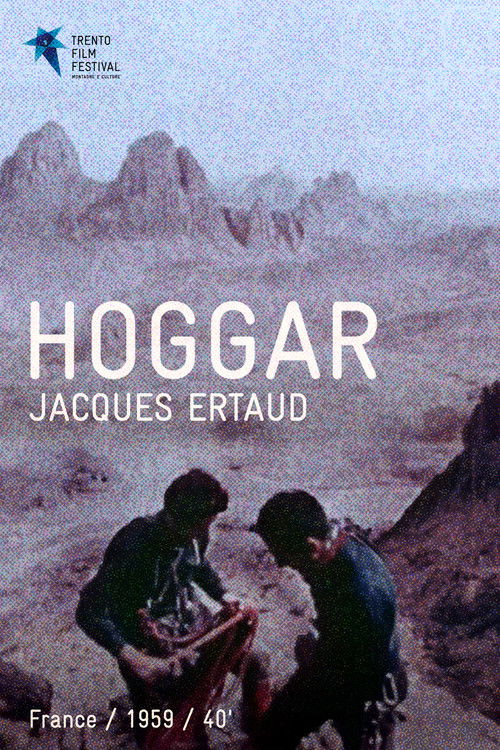
Hoggar
A 1959 documentary about climbing in the Hoggar Mountains of Algeria. For the first time, a mountain expedition was organized for 60 young aspiring climbers, accompanied by renowned mountaineers such as Lionel Terray, Lucien Bérardini, Maurice Herzog, and Jean-Paul Gardinier. In two weeks, dozens of new routes, often extremely difficult, were established. Jacques Ertaud's camera followed the climbers through all the challenging sections of the first ascent of the south spur of Assekrem.
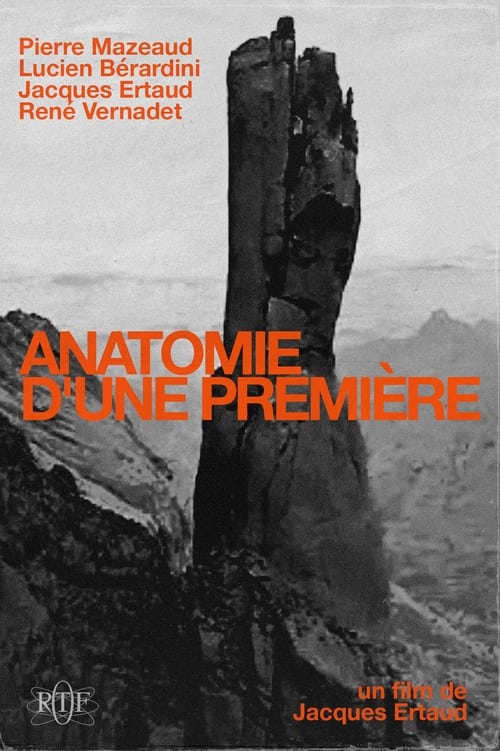
Anatomy of a First
In February 1966, Pierre Mazeaud and Lucien Berardini traveled to the Atakor massif, in the Hoggar mountain range of the Sahara in southern Algeria. There, they attempted a challenging first ascent: the Takouba spur, one of the peaks adjacent to Garet El Djenoun, a legendary mountain in the Hoggar massif, first climbed by Roger Frison-Roche and Raymond Coche in 1935. The documentary, superbly filmed by Jacques Ertaud, won the Grand Prize at the Trento International Mountain Film Festival in 1966.
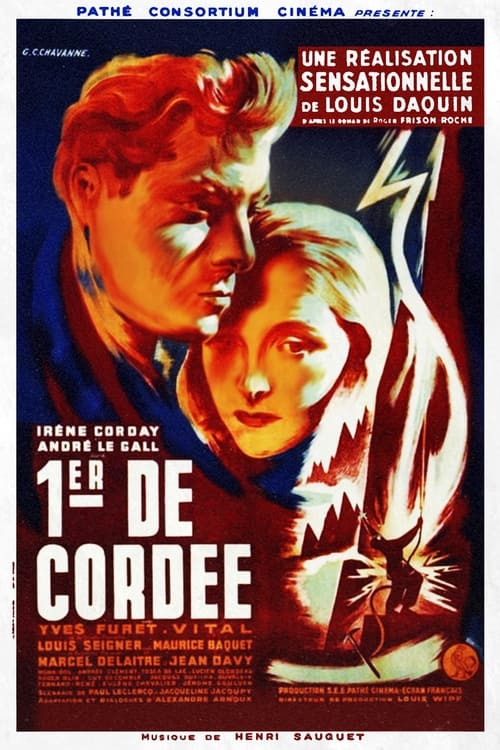
First in Line
A screen adaptation of the well-known novel by Roger Frison-Roche about the harsh lives of mountain guides and their families in the French Alps, near Chamonix and the French/Swiss/Italian borders... Like his father, Zian Servettaz is a dedicated mountain man. His Italian-born wife Bianca does not adjust well to his mountain village in France, and to the ever life-threatening dangers presented by his mountain guiding and climbing. She briefly returns to Italy and to her family. However, after Zian's insistence and trip to Italy, she returns to mountain life in the French Alps. Once back there, events will unfold, changing their lives as well as those of other mountain people forever.
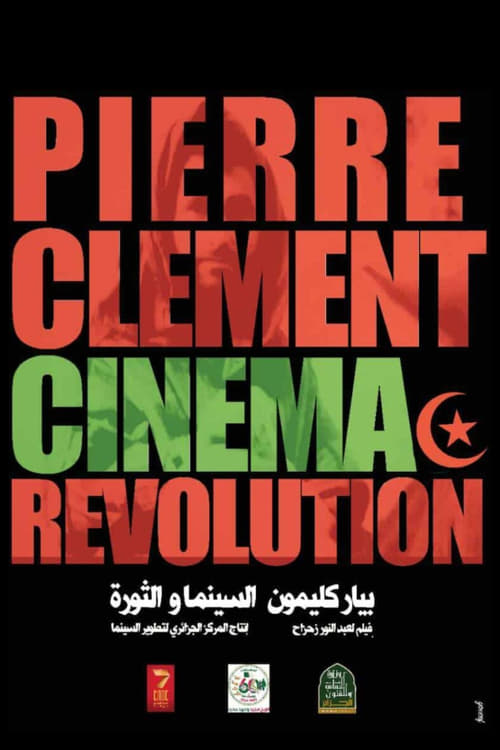
Pierre Clément, Cinéma et Révolution
Pierre Clément, student and photographer of René Vauthier, first accompanied him to Tunisia to make a film on the country's independence in 1957. Destiny led him to Algeria and his presence in February 1958 at the Tunisian-Algerian border changed his life. . Forever. He took his camera and photographed the attacks on Sakia Sidi Youssef before committing himself body and soul to the Algerian cause. Shortly after, he directed the film “Algerian Refugees” before being arrested, tortured and imprisoned, while his third film, “The National Liberation Army in Almaki”, was not finished. Abdel Nour Zahzah, a director who commemorates Pierre Clément, the director who risked his life, the brother of the Algerian resistance, who disappeared in 2007.
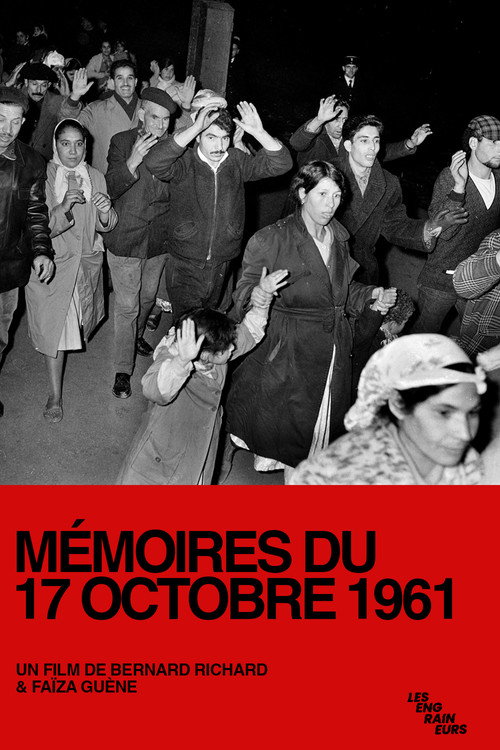
Mémoires du 17 octobre 1961
Three demonstrators from October 17, 1961, and a journalist recount the peaceful success of the demonstration and its brutal repression in the streets of Paris. Five months before the end of the Algerian War, the Gaullist government violently suppressed (40 to 300 deaths in a single evening, according to various sources) a peaceful demonstration by the entire Algerian civilian population of the Paris region, protesting the curfew imposed solely on this population (all participants held French citizenship). The government long denied this state crime; the official version: 3 deaths! In 1962, these events were granted amnesty by a simple decree (later enacted into law) issued by the same Gaullist government.
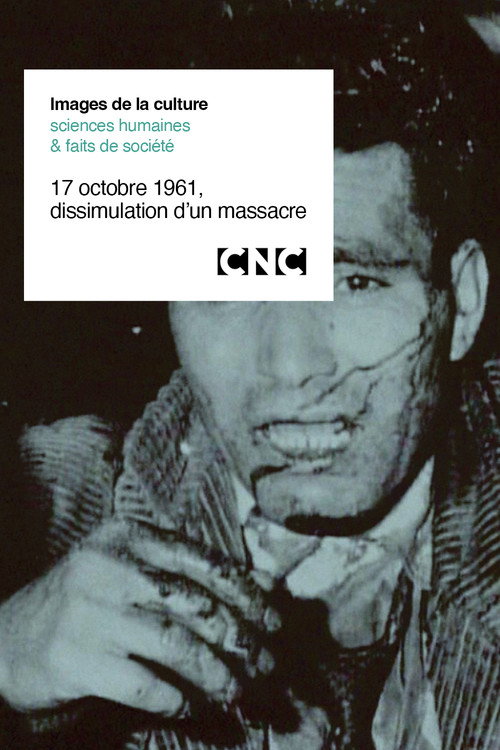
October 17, 1961, Cover-up Of a Massacre
On October 17 and 18, 1961, during a non-violent demonstration against the imposed curfew, dozens of Algerians were murdered in Paris by police officers acting on orders from their superiors. For forty years, this crime has been concealed; yet these events, the deadliest on French soil since the Second World War, resemble, in some respects, the darkest hours of the collaboration. Why has this history been hidden? Under what conditions, and in the name of what reasons, did officials of a democratic state conceal the scale and gravity of such events?
Streaming IPTV FAQ
Can I watch this title through IPTV?
Availability depends on your IPTV provider and the rights included in your subscription. This page uses TMDB data for discovery and does not host video content.