Watch Poisoned Waters in streaming IPTV
Poisoned Waters
Overview
More than two decades after the Clean Water Act was supposed to make America’s waters clean enough for swimming and fishing again, two iconic waterways — the great coastal estuaries of Puget Sound and the Chesapeake Bay — are in perilous condition. With polluted runoff still flowing in from industry, agriculture and massive suburban development, scientists fear contamination to the food chain and drinking water for millions of people. A growing list of endangered species is also threatened in both estuaries. As a new president, Congress and the states set new agendas and spending priorities, FRONTLINE correspondent Hedrick Smith examines the rising hazards to human health and the ecosystem, and why its so hard to keep our waters clean.
Genres
Similar titles
An Inconvenient Truth
A documentary on Al Gore's campaign to make the issue of global warming a recognized problem worldwide.
Koyaanisqatsi
Takes us to locations all around the US and shows us the heavy toll that modern technology is having on humans and the earth. The visual tone poem contains neither dialogue nor a vocalized narration: its tone is set by the juxtaposition of images and the exceptional music by Philip Glass.

Plastique, la menace toxique
Plastique, la menace toxique
The High Cost of Cheap Gas
The environmental problems caused by fracking in America have been well publicized but what's less known are the gas industry's plans for expansion in other countries. This investigation, filmed in Botswana, South Africa and North America, reveals how gas companies are quietly invading some of the most protected places on the planet.

Der Ölschock von 1973 - Autofreie Sonntage
On November 25, 1973, the first of four car-free Sundays transformed West Germany's deserted highways into spaces for walking, cycling, and horse-drawn carriages, while towns and cities took on a festive atmosphere. Introduced during the oil crisis to conserve fuel after the Arab oil embargo and production cuts following the Yom Kippur War, the measure became an unforgettable collective experience. Beyond the immediate energy shortage, the crisis marked a turning point, ending the postwar economic boom and encouraging greater awareness of energy use, consumerism, and environmental issues.

Blame Game
As more and more of us use and replace electronic devices, manufacturers have failed to offer solutions for how to deal with the resulting waste. Much of it is exported to a toxic dump in Ghana, where scavengers do their best to salvage what they can.

The Cost of Cobalt
In the cobalt mining areas of Katanga in the Democratic Republic of the Congo (DRC), babies are being born with horrific birth defects. Scientists and doctors are finding increasing evidence of environmental pollution from industrial mining which, they believe, may be the cause of a range of malformations from cleft palate to some so serious the baby is stillborn. More than 60% of the world’s reserves of cobalt are in the DRC and this mineral is essential for the production of electric car batteries, which may be the key to reducing carbon emissions and to slowing climate change. In The Cost of Cobalt we meet the doctors treating the children affected and the scientists who are measuring the pollution. Cobalt may be part of the global solution to climate change, but is it right that Congo’s next generation pay the price with their health? Many are hoping that the more the world understands their plight, the more pressure will be put on the industry here to clean up its act.
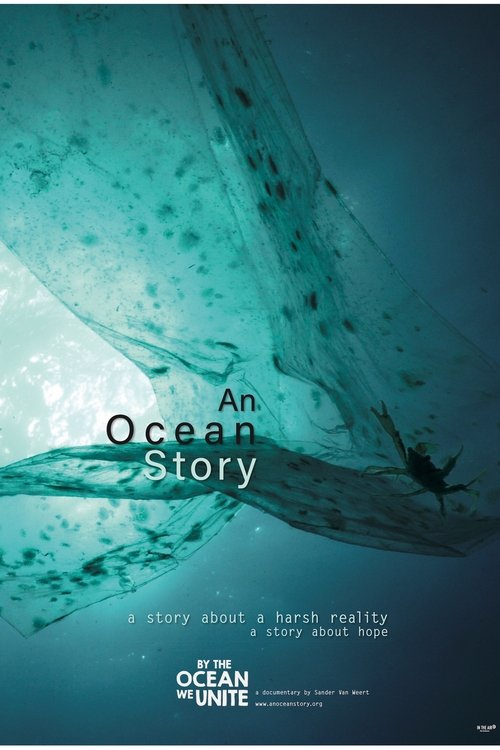
An Ocean Story
Increasing pollution, over fishing and climate change are major threats our oceans are currently facing worldwide. This documentary follows us on our journey as we film devastating consequences of these harsh realities.
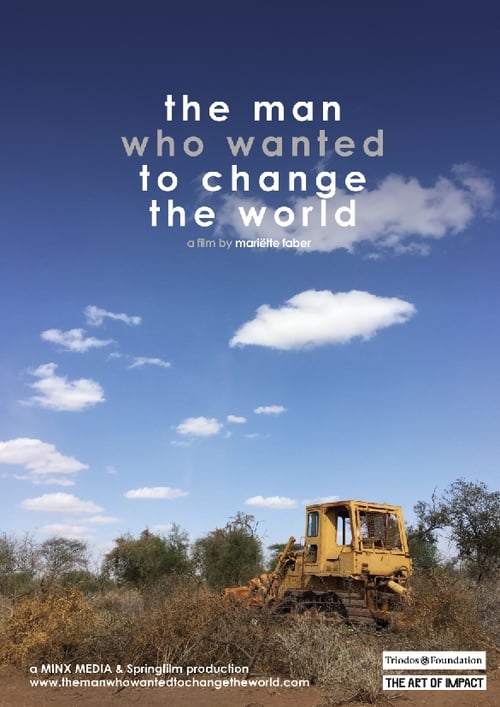
The Man Who Wanted to Change the World
Peter Westerveld, artist and visionary, doesn’t want institutions to resolve the problems linked to earth’s problems. Growing up in Africa, he witnessed the advance of the desert and dedicated himself to finding solutions for the ongoing erosion and desertification of the land. The film follows Peter and the NGO working with him to realise his project; to build contour trenches that capture and store rain water under the surface and replenish the desert land.
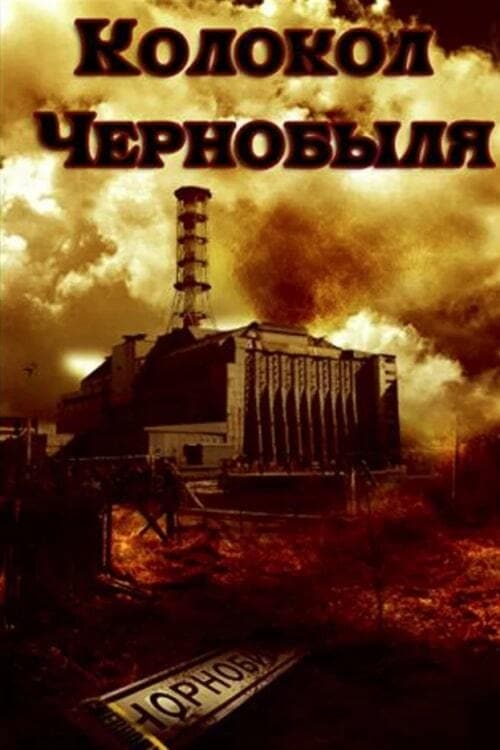
The Bell of Chornobyl
The first full-length film about the Chornobyl tragedy, filmed in May-September 1986. The authors did not set themselves the task of showing an exhaustive picture of what happened in Chornobyl. They sought to capture the testimonies of people directly involved in the tragedy, the lessons of which have yet to be realized.
Streaming IPTV FAQ
Can I watch this title through IPTV?
Availability depends on your IPTV provider and the rights included in your subscription. This page uses TMDB data for discovery and does not host video content.