Watch Saving the Hidden Coral of the Mediterranean in streaming IPTV
Saving the Hidden Coral of the Mediterranean
Saving the Hidden Coral of the Mediterranean
Overview
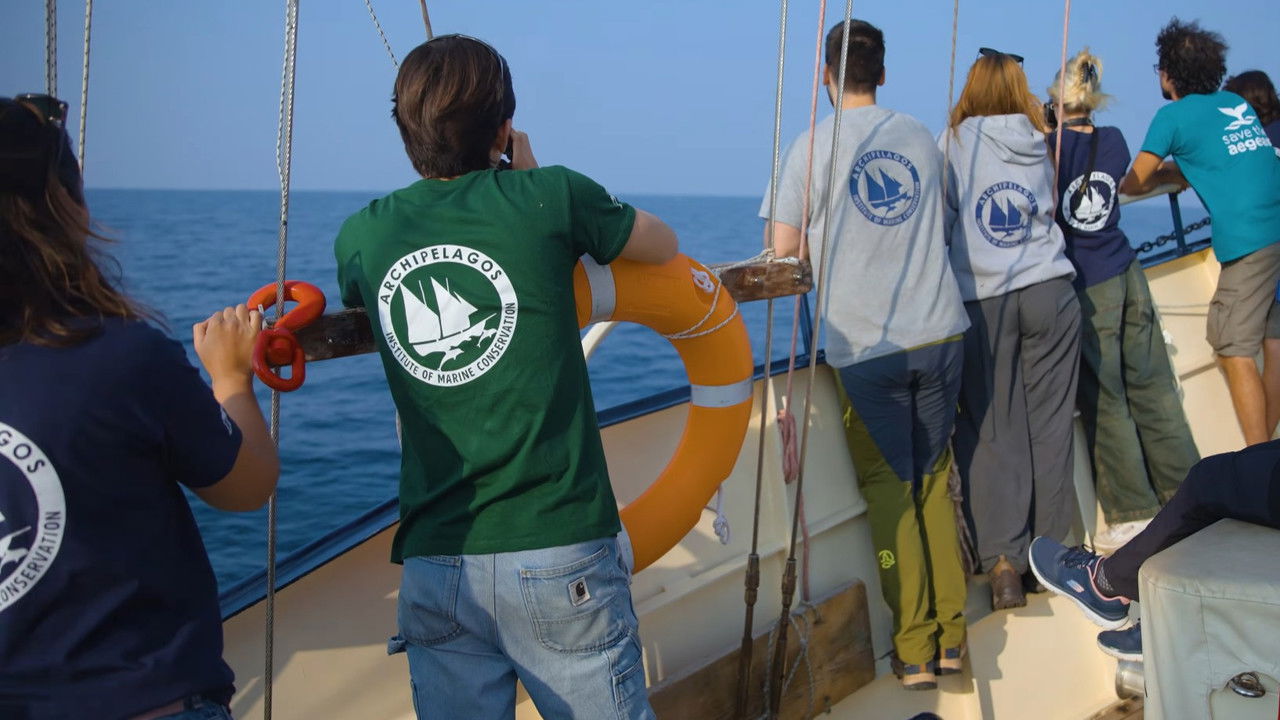
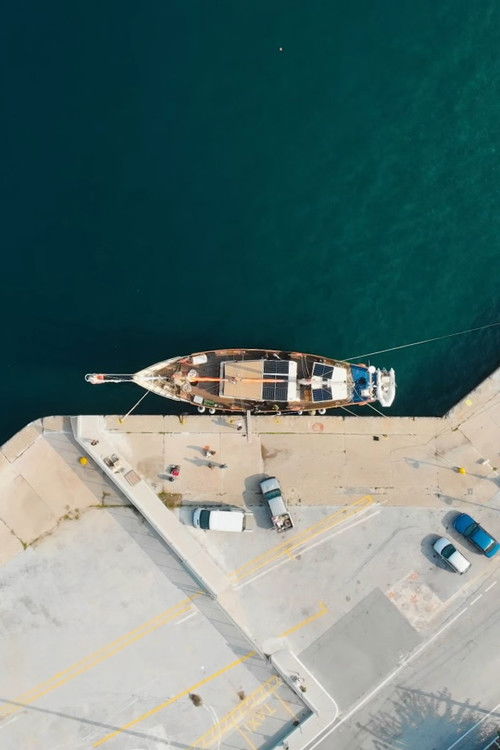
The coral in the mediterranean form unique underwater habitats, usually between 30–150m deep. These ecosystems support more than 1,800 species but have been decimated by destructive bottom trawling fishing, which can flatten centuries-old coral structures in minutes. RAZOR’s Russell Beard meets Anastasia Miliou and her team of scientists at the Archipelagos Institute of Marine Conservation. They have been mapping coral to provide the hard scientific evidence needed to secure their long-term protection. Their work has led to the recent creation of a protected no-trawl zone around the Fourni Islands. Over the years the organization has developed into one of the Mediterranean's most respected marine research and conservation institutes, attracting a new generation of scientists tooling up for a future of fighting the colossal challenges facing our seas. Over 26 years, they have hosted over 27,000 young people from 43 countries.
Genres
Cast
Russell Beard
Russell Beard
Similar titles
Terre, la vie cachée d'une planète
Terre, la vie cachée d'une planète
Fight shall continue
With the expansion of mining activities in Jharkhand, indigenous populations are at massive risk in terms of displacement and loss of livelihood. Especially, tribal women have been on the receiving end of economic and political marginalisation and invisible patriarchy. Through this film, we witness that tribal women’s bodies are testimony to their respective labour. These bodies narrate history, anecdotes, and advice for the future. Their identities hold powerful stories, absent in the mainstream.
Le choc environnemental
Le choc environnemental
A Thirsty World
Today, against a backdrop of sharply increasing demand, growth in the world population and the growing impact of an unsettled climate, water has become one of the most precious natural resources of our planet.
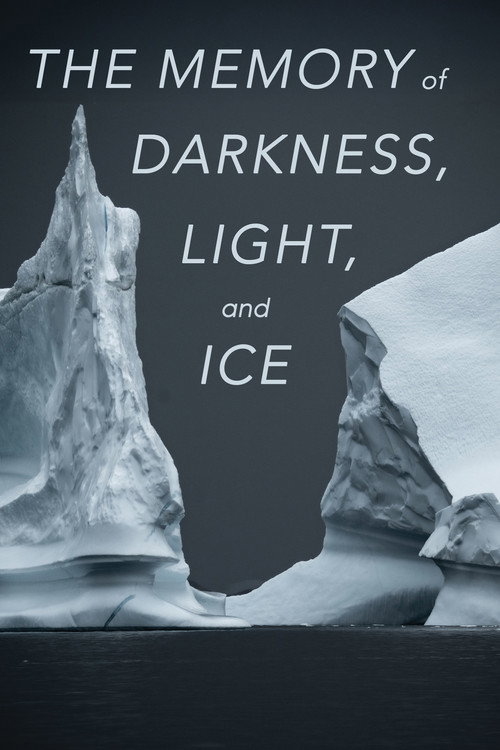
The Memory of Darkness, Light, and Ice
If the ice sheet covering Greenland melted, global sea levels would rise 21 feet, profoundly impacting our planet. How, why, and when could this happen? A few years ago, scientists found lost sediment from a secret sub-ice Cold War base in the Arctic from the 1960s that holds clues to a time when Greenland Ice Sheet was gone. The Memory of Darkness, Light, and Ice is an hour-long documentary about the discovery of this sediment and the critical implications of the science to our future. The finding that the ice sheet melted in the past completely transforms our understanding of the stability of the Greenland Ice Sheet.

Parámos II, El Origen
Parámos II, El Origen
Inside the Tanks
Unique in its approach, Inside The Tanks is a documentary that aims to enrich the discussion surrounding marine mammal captivity. Join Presenter and Producer, Jonny Meah, as he blasts the debate wide open, giving BOTH sides of the discussion a chance to have their say. The documentary includes in depth interviews from The Born Free Foundation; Marine Biologist, Ingrid Visser; Ex-Supervisor and ex-trainer, John Hargrove; and in a world exclusive on the topic, an interview with The Zoological Director of Marineland Antibes, Jon Kershaw.
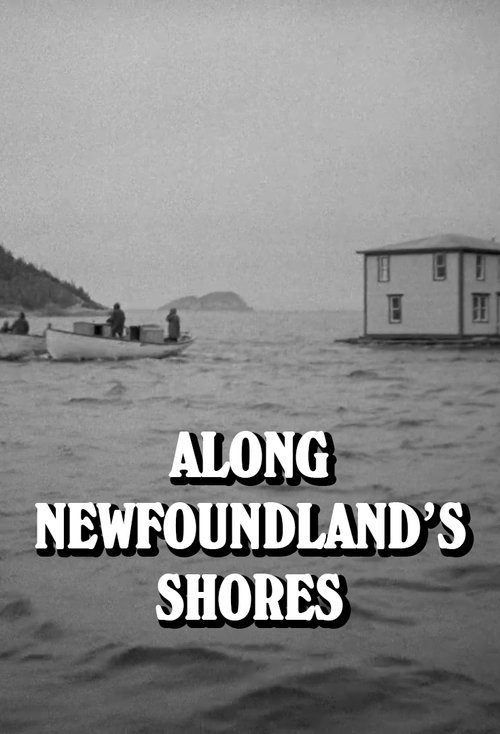
Along Newfoundland's Shores
This short documentary includes three vignettes about life off the coast of Newfoundland. In Island of Birds, we visit Green Island, a sea bird sanctuary where puffins frolic. In Caplin Harvest, little silvery fish called caplin spawn by washing ashore along the waves, making an easy catch for fishermen. In Outports on the Move, off-shore houses are pried loose from their foundation and floated to the Newfoundland mainland, where schools, hospitals, stores and services are available to the community.
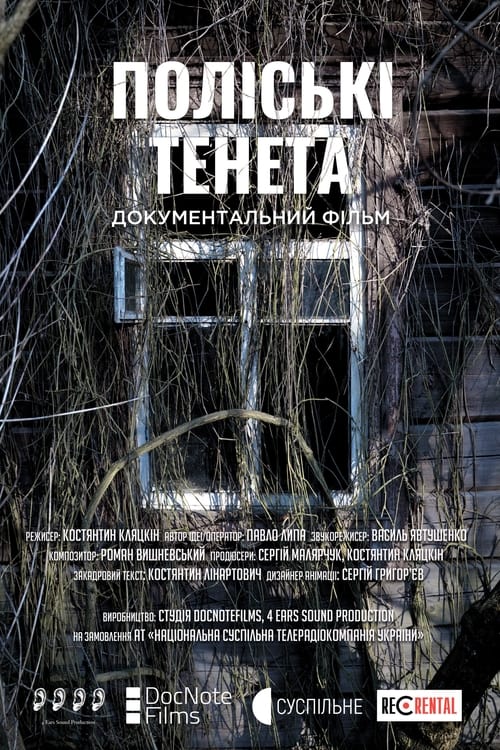
Poliske Nets
Poliske was contaminated with radioactive material after the 1986 Chornobyl disaster. Soviet authorities did everything they could to erase the ancient history of this town, and after Chornobyl, they destroyed its future.
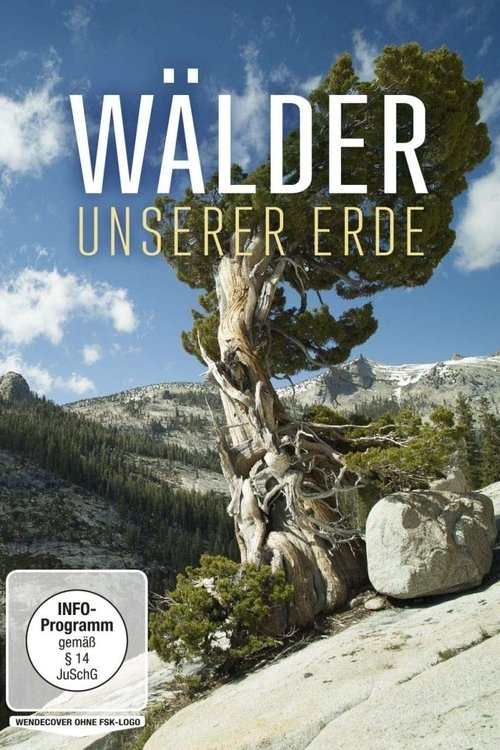
Wälder unserer Erde
The forest is like an organism, ancient and full of mechanisms. Its plants need water and are temperature-dependent. Nevertheless, it survives in a wide variety of locations around the world. How does it manage to adapt to even the most adverse conditions?
Streaming IPTV FAQ
Can I watch this title through IPTV?
Availability depends on your IPTV provider and the rights included in your subscription. This page uses TMDB data for discovery and does not host video content.