Overview
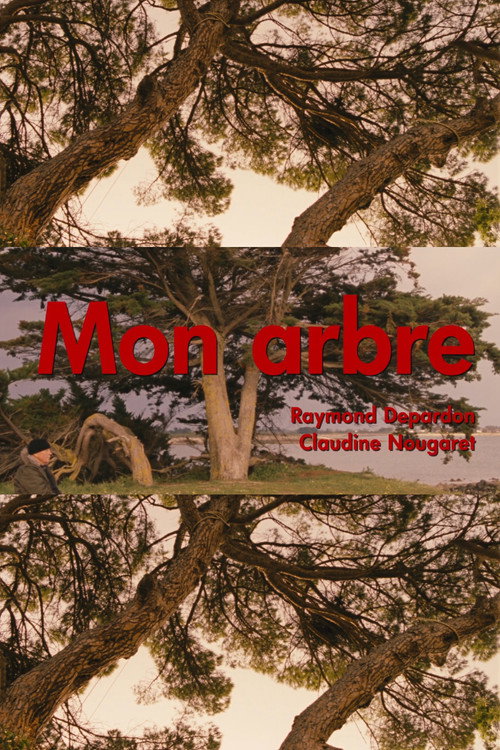
Created for the exhibition "Nous les Arbres" (2019 – Fondation Cartier pour l'art contemporain), this film gives a voice to those who live alongside trees, spend time with them, cherish them, observe them, advocate for them, care for them, admire them, or who are perhaps a little weary of living in their midst.
Genres
Similar titles
Faire famille
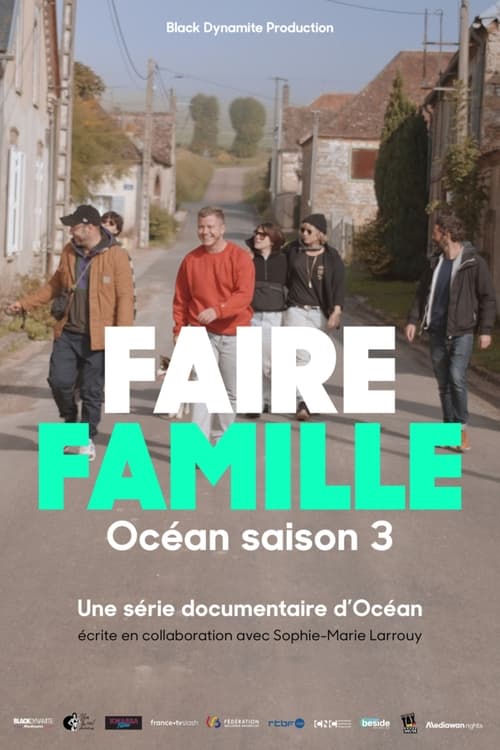
What's it like to "make a family" when you're not part of the traditional hetero couple? Can two best buddies living on the same floor become a family? Océan and his best friend Sophie-Marie Larrouy will question their friendship, their desire for children and their ability to commit to each other, going to meet people who have made families "differently" to draw inspiration from them and invent their own model.
Latche, l'esprit des lieux
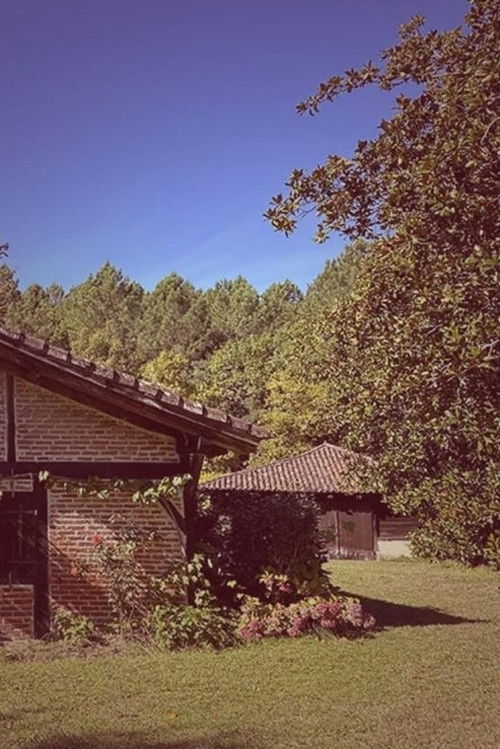
Home to the Mitterrand family since 1965, Latche was the former president's base for three decades. Family, friends, and world leaders gathered there for walks, hours of conversation, and some of the defining moments of the century. There, he was a different François Mitterrand, absorbed by the "spirit of the place," far from the trappings of the Republic. An intimate space, Latche was also a political territory open to the world, a powerful diplomatic asset serving the ambitions of its owner.

Before Summer Ends
After five years studying in Paris, Arash has not adjusted to life there and has decided to return to Iran to live. Hoping to change his mind, his two friends Hossein and Ashkan convince him to take a last trip through France.
Lynx
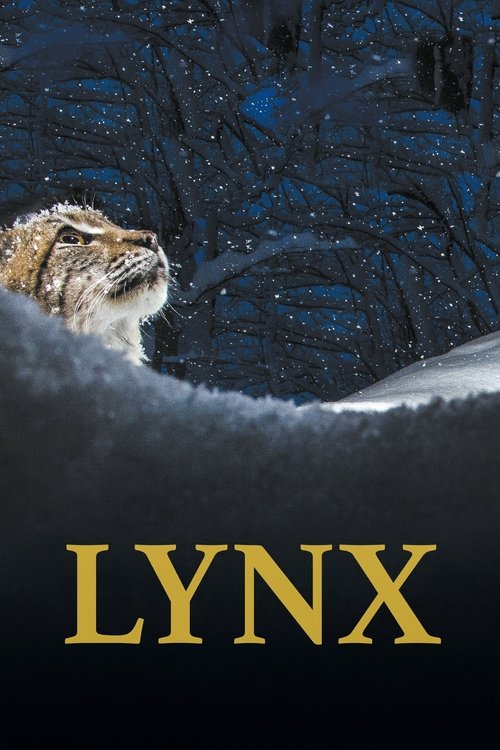
In the heart of the Jura mountains, a call resounds through the forest. The silhouette of a Eurasian lynx creeps through the trees. A male is looking for its mate. Suddenly a call answers back. It is the beginning of the story of a lynx’s family we will follow over the seasons. While it is rare to come across this private feline, it is exceptional to discover its daily life in the wild.
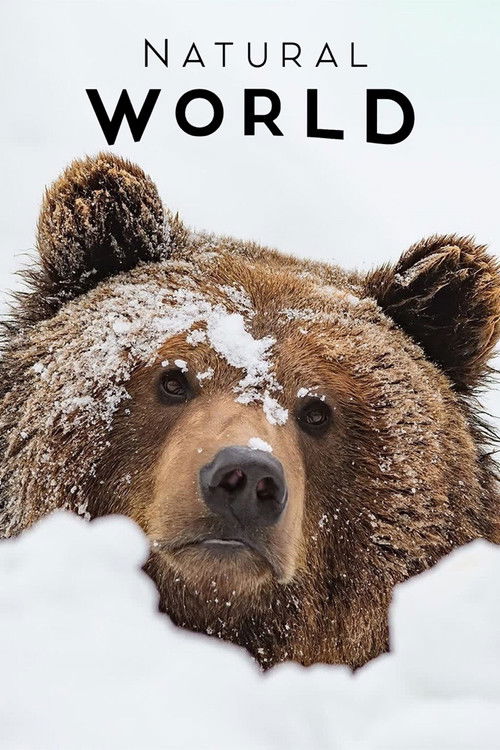
France: The Wild Side
Journeying from the Pyrenees to the Alps, all around the mainland to Corsica, this is the story of the 'wild side' of France.
Picasso and Sima, Antibes 1946
In June 1946, the sculptor and photographer Michel Sima met with Pablo Picasso in Antibes. At Picasso's request, day after day Sima photographed Picasso's works-in-progress in the workshop he found for him at Grimaldi Palace.
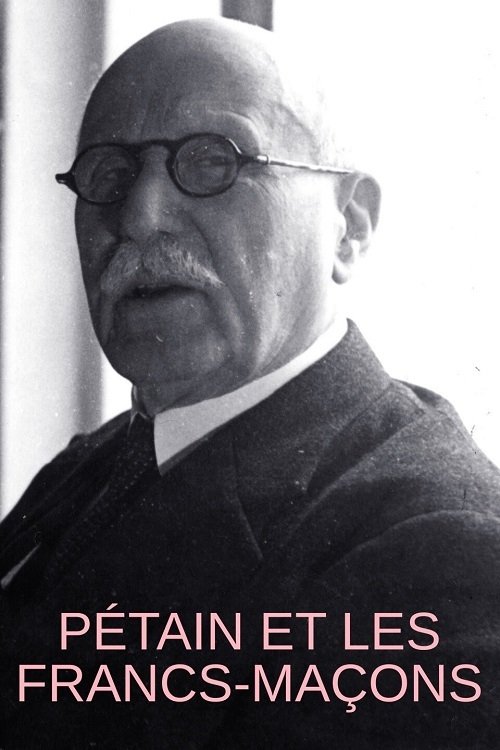
Pétain et les francs-maçons
Pétain et les francs-maçons

And Man Created the Secretary
The fascinating and little-known story of the secretarial profession, which tells the story of the evolution of women's work, between emancipation, invisibility and the glass ceiling.
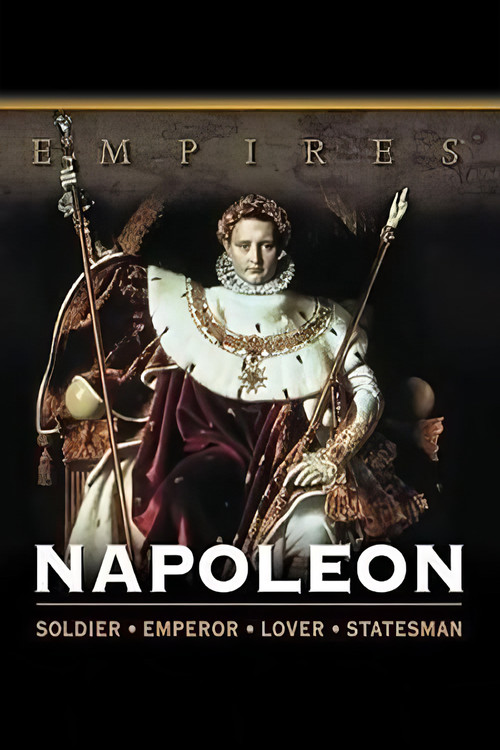
Napoleon
In David Grubin's NAPOLEON watch Napoleon's rise from obscurity to victories that made him a hero to the French people and convinced him he was destined for greatness. Learn of his love for Josephine Beauharnais, and his rise to Emperor. Witness his extraordinary achievements and ultimately his fall, his final battles, his exile to Elba, and his defeat at Waterloo. For nearly two decades he strode the world stage like a colossus -- loved and despised, venerated and feared. From his birth on the rugged island of Corsica to his final exile on the godforsaken island of St. Helena, NAPOLEON brings this extraordinary figure to life.
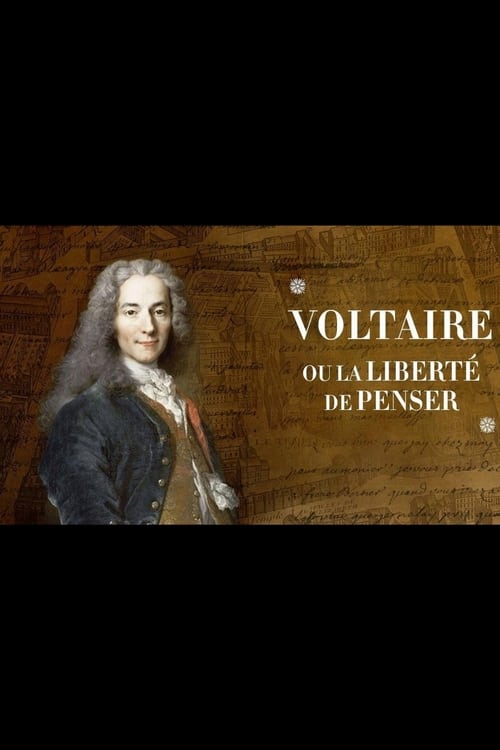
Voltaire ou la liberté de penser
Voltaire ou la liberté de penser
Streaming IPTV FAQ
Can I watch this title through IPTV?
Availability depends on your IPTV provider and the rights included in your subscription. This page uses TMDB data for discovery and does not host video content.