
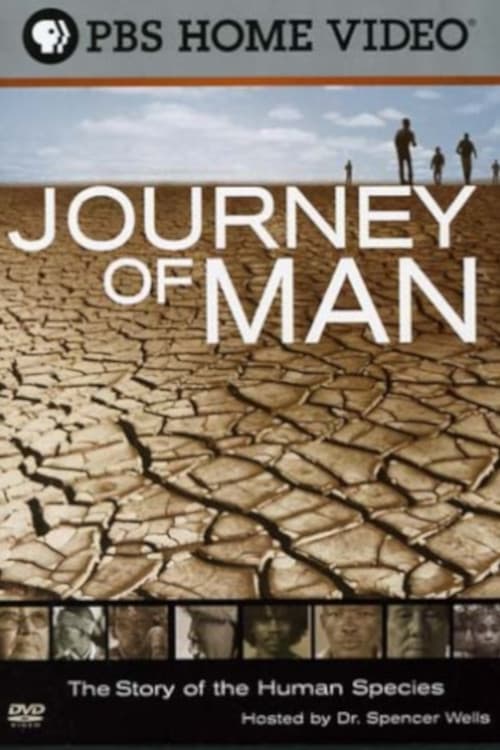
Watch The Journey of Man: A Genetic Odyssey in streaming IPTV
The Journey of Man: A Genetic Odyssey
Overview
Many geneticists and archaeologists have long surmised that human life began in Africa. Dr. Spencer Wells, one of a group of scientists studying the origin of human life, offers evidence and theories to support such a thesis in this PBS special. He claims that Africa was populated by only a few thousand people that some deserted their homeland in a conquest that has resulted in global domination.
Genres
Cast
Spencer Wells
Host
Similar titles

Saddari
Saddari is a story of A 3 Young bikers decide to hit the road to another state for adventure , Ending up embarking on a challenging bike trip across all of Sudan with less than a 100$ In their pockets combined and worn-out bicycles, Facing numerous challenges along the way.
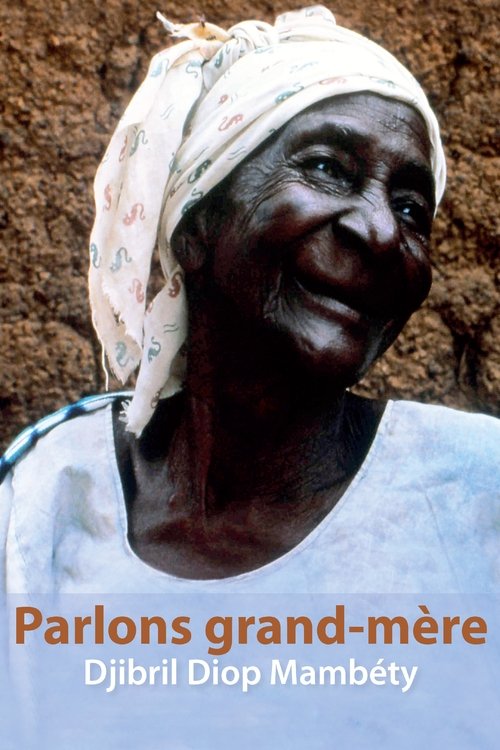
The Making of Yaaba
Djibril Diop Mambéty followed and filmed the shooting of Yaaba, Idrissa Ouédraogo's second feature film. A documentary full of humorous anecdotes regarding the dangers of shooting in Burkina Faso.
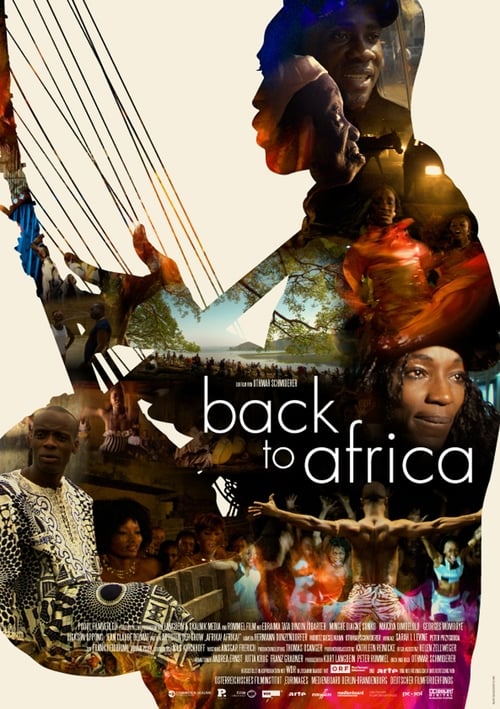
Back To Africa
An Austrian director followed five successful African music and dance artists with his camera and followed their lives for a year. The artists, from villages in Ghana, Gambia and Congo, were the subjects of Africa! Africa! touring across Europe, but they have unbreakable roots to their homeland and their families. Schmiderer lovingly portrays his heroes, who tell their stories about themselves, their art and what it means to them to be African with captivating honesty. The interviews are interwoven with dance scenes and colourful vignettes set to authentic music.
Greenpeace the story
Greenpeace the story

Springtails: The hidden soldiers of Earth
Who knows about springtails? And among those for whom this name rings a bell, how many have already seen them? Yet, these small animals, similar to insects, are present in all terrestrial ecosystems. Springtails are undisputed soil regulators. Scientists recognize them today as absolutely essential, especially in the search for pollutants, disruptors, and all the variations that affect our soils, but this little animal is almost unknown. Thanks to extremely precise cameras, as close as possible to these microscopic animals, a teeming life is revealed before our eyes. According to the seasons, the film invites us to get into the intimacy of the springtails, to discover their morphology, their role and their usefulness in the ecosystems of the planet while rubbing shoulders with other organisms in the same environments.
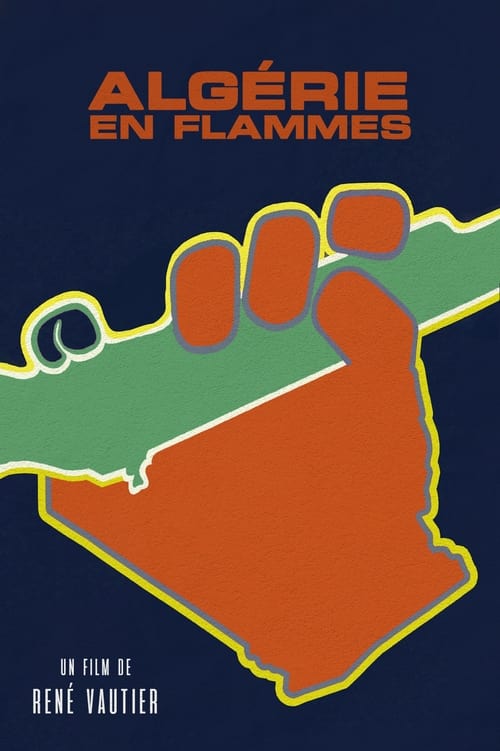
Algeria in Flames
These are the first images shot in the ALN maquis, camera in hand, at the end of 1956 and in 1957. These war images taken in the Aurès-Nementchas are intended to be the basis of a dialogue between French and Algerians for peace in Algeria, by demonstrating the existence of an armed organization close to the people. Three versions of Algeria in Flames are produced: French, German and Arabic. From the end of the editing, the film circulates without any cuts throughout the world, except in France where the first screening takes place in the occupied Sorbonne in 1968. Certain images of the film have circulated and are found in films, in particular Algerian films. Because of the excitement caused by this film, he was forced to go into hiding for 25 months. After the declaration of independence, he founded the first Algerian Audiovisual Center.
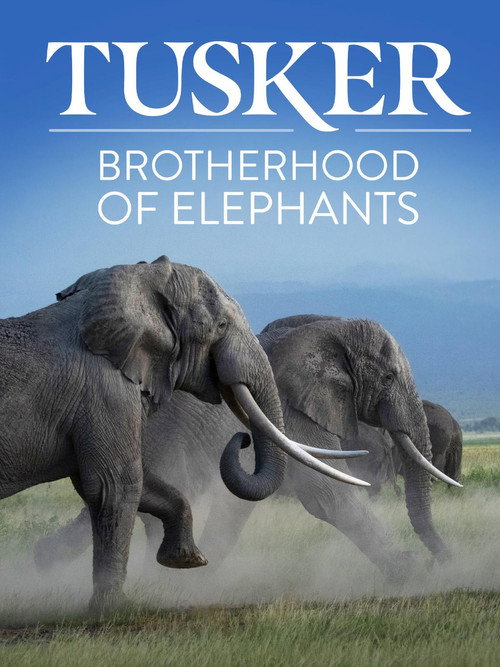
Tusker: Brotherhood of Elephants
Against the backdrop of Mount Kilimanjaro, meet the majestic "super tuskers": male elephants that carry the wisdom of generations, whose tusks each weigh at least 100 pounds. Follow tuskers at different stages of life as they navigate the trials, transformations, and experiences that come with age and a shifting landscape.
Mastodon in your Backyard
A documentary about the 1999 discovery of a Mastodon skeleton in a Hyde Park backyard.
How the Telephone Talks
"All sounds travel in waves much the same as ripples in water." Educational film produced by Bray Studios New York, which was the dominant animation studio based in the United States in the years surrounding World War I.
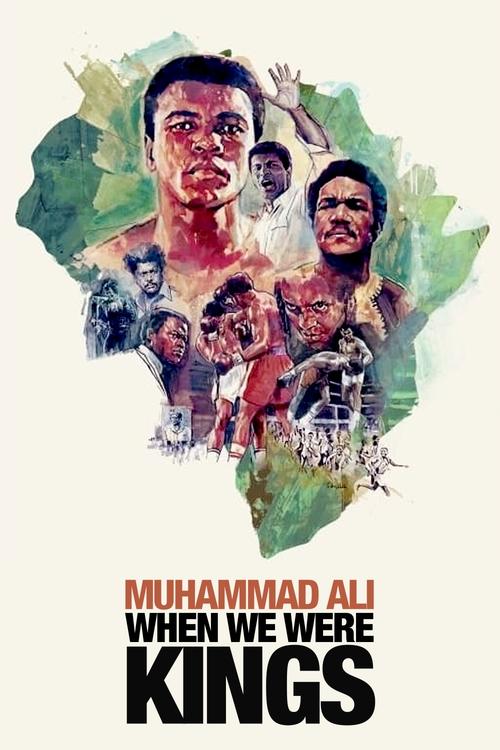
When We Were Kings
It's 1974. Muhammad Ali is 32 and thought by many to be past his prime. George Foreman is ten years younger and the heavyweight champion of the world. Promoter Don King wants to make a name for himself and offers both fighters five million dollars apiece to fight one another, and when they accept, King has only to come up with the money. He finds a willing backer in Mobutu Sese Suko, the dictator of Zaire, and the "Rumble in the Jungle" is set, including a musical festival featuring some of America's top black performers, like James Brown and B.B. King.
Streaming IPTV FAQ
Can I watch this title through IPTV?
Availability depends on your IPTV provider and the rights included in your subscription. This page uses TMDB data for discovery and does not host video content.