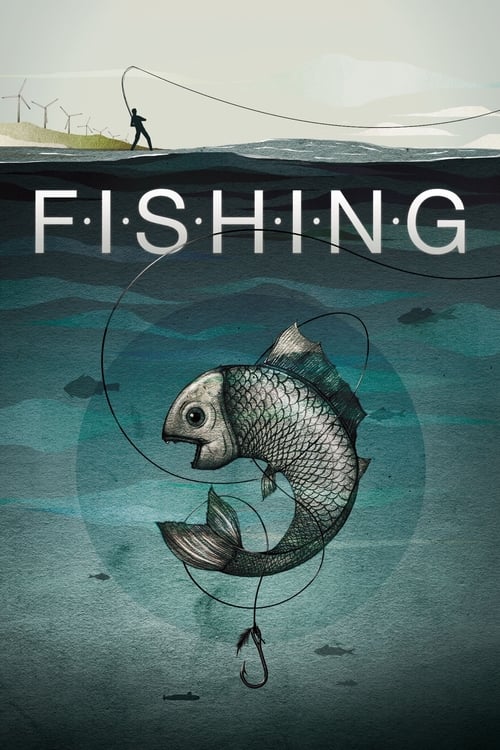
Watch F.I.S.H.I.N.G in streaming IPTV
F.I.S.H.I.N.G
“Many men go fishing all of their lives without knowing that it is not fish they are after.” — Henry David Thoreau
Overview
One million Dutchmen (out of 16 million) play soccer. Almost two million fish at least once a year. Fishing might be the most remarkable sport in the world. The documentary V.I.S.S.E.N (FISHING) dives into the world of Dutch fish and fishermen. Above and under water, on the IJ, at the coast, on the North Sea, in the cities, in the polder and on and by lakes and rivers. The film is a personal, filmic search for the “primordial fisher” in mankind and a portrait of the Netherlands by and on the water. V.I.S.S.E.N is also about what moves the fishermen. Who are the people that fish? Is fishing a hobby, a sport, an escape or a primordial instinct one cannot repress? What goes through your mind when you fish, when you catch something, or when you do not catch anything. And: what's it like for the fish, getting hooked?
Genres
Similar titles
Ráj rybářů
Ráj rybářů
Jak se žije s českou rybou podle Jána Piroha
Jak se žije s českou rybou podle Jána Piroha
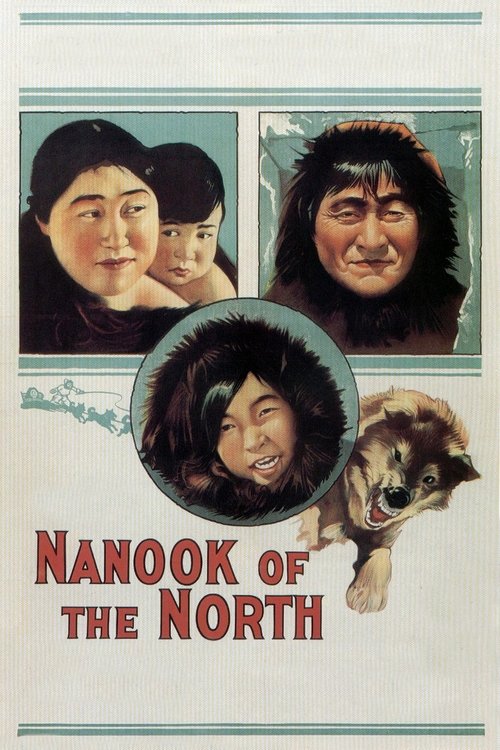
Nanook of the North
This pioneering documentary film depicts the lives of the indigenous Inuit people of Canada's northern Quebec region. Although the production contains some fictional elements, it vividly shows how its resourceful subjects survive in such a harsh climate, revealing how they construct their igloo homes and find food by hunting and fishing. The film also captures the beautiful, if unforgiving, frozen landscape of the Great White North, far removed from conventional civilization.
The Kaipara Affair
A documentary about the threat posed to New Zealand's Kaipara Harbour by rapacious commercial fishing and development.
Nachtwake
Nachtwake
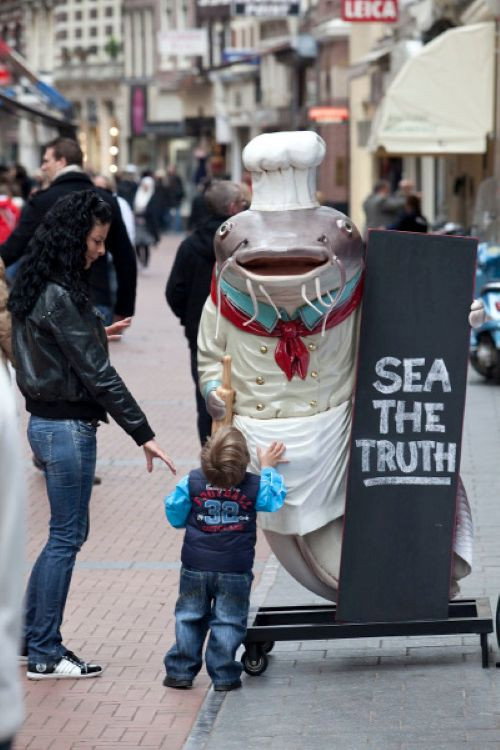
Sea the Truth
This is the planet we still know so little. We call it Earth but less than 1/3 is land, over 2/3 is water and we use that water as a dumping site for our waste and as if it's an inexhaustible "horn of plenty" for humans. Our most important ecosystem is on the verge of collapse unless we act now. At this very moment the main problem with the oceans is that they're getting emptier and emptier. If we don't do anything then we face one of the biggest disasters in history of mankind.
Watermen
In 1965, on the Eastern Shore of the Chesapeake Bay, there was the last operating fleet of sailing work boats in the United States. Forty-odd "Skipjacks" were still used by Maryland watermen to dredge up oysters from the Bay. At that time, the fleet had survived because of a Maryland conservation law which prohibits the use of motor power for oyster dredging. The watermen traditionally marked the opening of each oystering season with a skipjack race which the Maryland State Tourist Board incorporated into its annual "Chesapeake Bay Appreciation Day."
Cries from the Deep
This documentary records the journey undertaken by Jacques Cousteau, his 24-member team, and an NFB film crew to explore the Grand Banks of Newfoundland, one of the world's richest fishing areas. They discover shipwrecks, film icebergs and observe beluga whales, humpback whales and harp seals. The film also includes a fascinating sequence showing Calypso divers freeing a calf whale entrapped in a fishing net.

Under the Cold Stars
Set in the mountains of northeast Italy, this film may be considered an observational documentary about rural life. Although this is undeniably the case, at the same time Under the cold stars can hardly be considered a documentary: the microcosm on which it focuses appears to be a reflection of a broader reality and perhaps a way to deal with the themes of man’s existence and his relationship with animals, nature and, most importantly, with time. As written by Franco Piavoli "it is a film which essentially relies on images and sound, where words themselves are sound and the music of life, of the relentless flow of time."
Etugen
What is the purpose of our existence ? What is the soul ? Which are the power of mind, of conscience ? What is our link to nature ? Pondering these existential questions, this movie invites us to find out an universal wisdom, meeting shamans, healers, yogis, but also philosophers and doctors. From Mongolia plains to the Amazonian forest, it leads us far than we expected at first.
Streaming IPTV FAQ
Can I watch this title through IPTV?
Availability depends on your IPTV provider and the rights included in your subscription. This page uses TMDB data for discovery and does not host video content.