Watch Debate Team in streaming IPTV
Debate Team
America loves a winner and will not tolerate a loser
Overview
Debate Team is a documentary exploring the weird subculture of competitive college debate. Competitors battle at 360 words per minute, hauling around mountains of evidence called "cards" and nearly every debate ends in global nuclear annihilation. In 2005, some 200 teams converged on San Francisco State to compete in the National Championship. The documentary follows four teams, from Michigan State, Harvard, West Georgia, and Berkeley in their quest for the national title. What emerges is not simply the chronicle of the thrill of victory and the agony of defeat, but a more disturbing examination into the nature of competition itself and the American fetish with championships and champions.
Genres
Similar titles

Cuenca
A medium-length documentary commissioned by the Cuenca City Council. The documentary shows an honest, sincere, although sometimes mere tourist portrait, of the lands of Cuenca and its people, without artifice or imposture, with feeling and authenticity and at the same time with marked coldness.
Bosnia!
The carnage in Sarajevo provides the focus of this French documentary which seeks to call attention to the terrible conflict in the hopes of finally ending it. The film is divided into five parts. Each part covers a time frame ranging from April 4, 1992, the beginning of the war, to the present. The major issues that occur are three-fold. It depicts the systematic genocide of Bosnians, the silence of Western countries, and the determination of the Bosnians to resist. They refuse to be seen as victims, even though the filmmakers portray them so. Also included are the origins and political aspects of the war. It offers interviews with participants. It also reveals how the U.S. State Department censored reports about Serbian death camps.

The Python Hunt
Every year, the Florida government invites the general public to compete in an invasive python removal contest in the Everglades. For ten nights, an eclectic group of hunters confront the dangerous terrain, nocturnal creatures and their own desires.
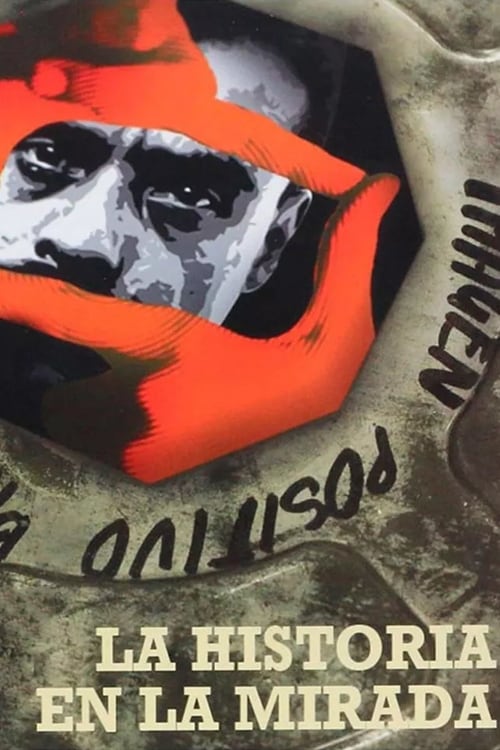
The History in the Gaze
The film portraits the stage previous to the outbreak of the Mexican Revolution, from the end of Porfirio Díaz´ government, the social volatility, the ephemeral government of Madero and the presence of the working class in the figures of Villa and Zapata, until the signing if the Constitution of 1917. All of this through moving images, filmed during those events mainly by the Alva brothers, filmmakers of that time. Those images let us perceive the contradictory and shuddered glance of the people of that period.
Ocharcoaga
Filmed to praise the work of the Spanish Ministry of Housing in solving the problem of shanty towns in Bilbao, it was made to be viewed by General Franco and not for public screening or distribution through the NO-DO newsreel. Although the short film was commissioned by the Ministry of Housing, director Jorge Grau produced a subtly critical work.
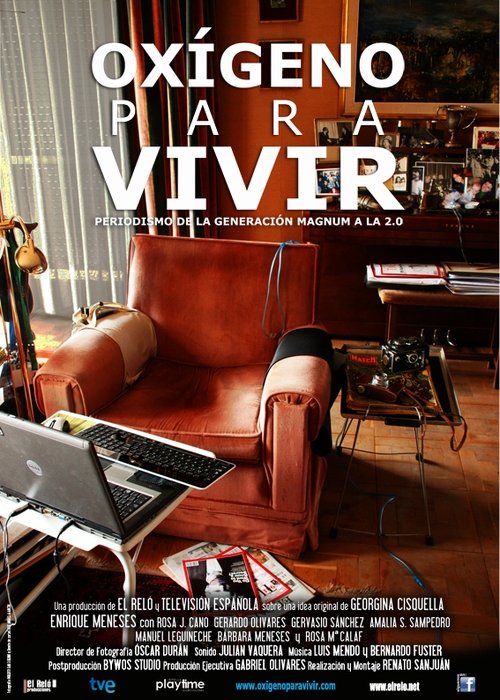
Oxígeno para vivir
Oxígeno para vivir
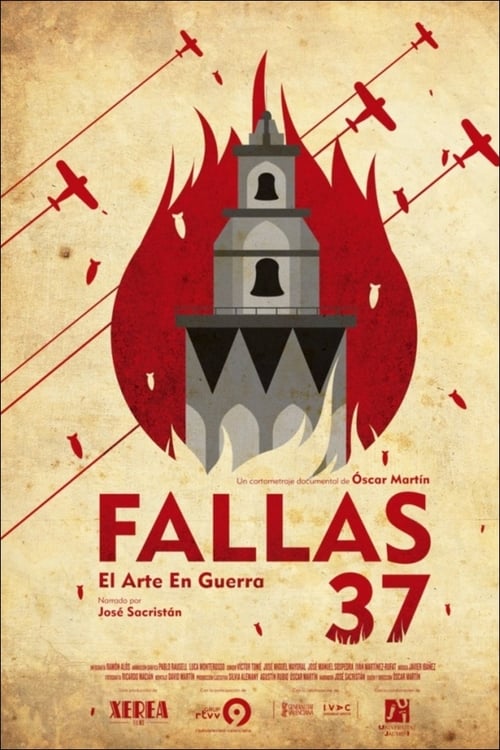
Fallas 37: el arte en guerra
In November 1936, a few months since the beginning of the Spanish Civil War, the government of the Second Republic moves to Valencia. In this situation, several Valencian artists and intellectuals decide to build four fallas — satirical plasterboard sculptures created to be burnt — to mock fascism.
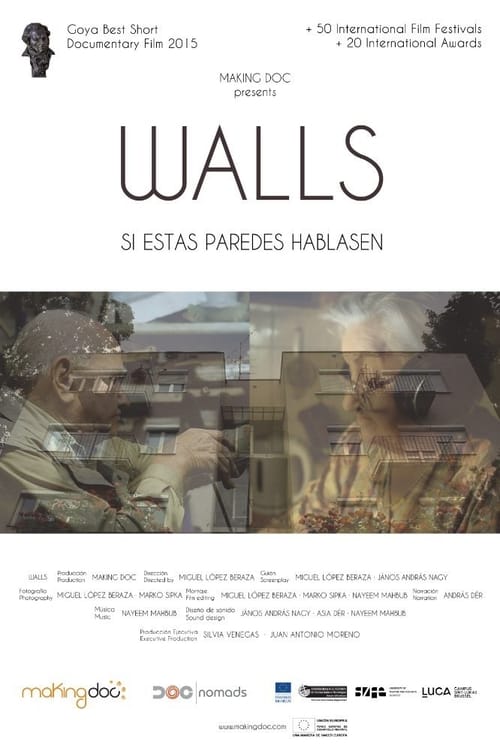
Walls
A day in the life of Mr. Istvan and Ms. Magdi, neighbors for many years, is narrated by the building of Budapest where both live. The walls surrounding them reveal their small passions, stories and routines.
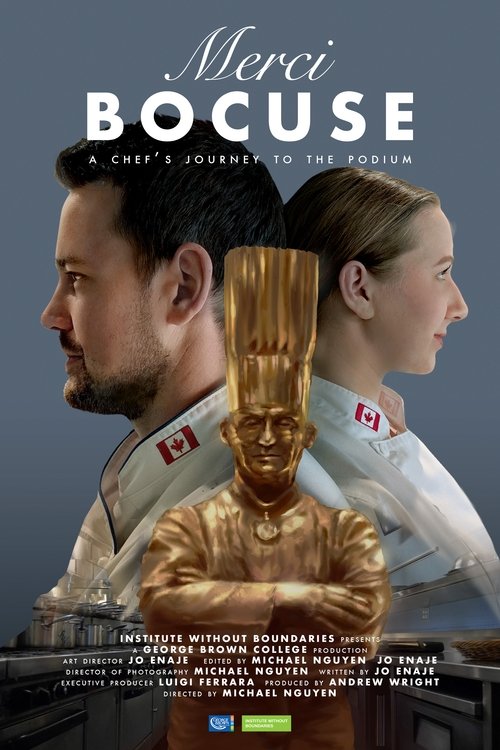
Merci Bocuse
A young and ambitious team of chefs face the life-changing challenges of competing in the world's most prestigious culinary competition.
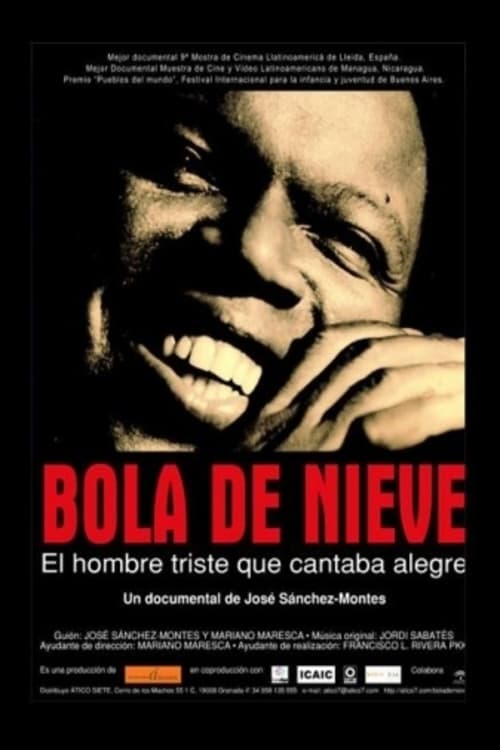
Bola de Nieve
Documentarian Jose Sanchez-Montes turns his attention towards the late Cuban musician Ignacio Villa, known throughout the world as Bola de Nieve (Snowball), with this 2003 biographical documentary entitled simply Bola de Nieve. A master pianist, Bola de Nieve was a mainstay through the middle portion of the 20th century, with his music almost omnipresent in South America cinema throughout those formative decades. With Bola de Nieve's famous statement "I'm a sad person, but my songs sound happy" in mind, Sanchez-Montes also looks at the influence of the musician's African heritage and homosexuality upon Bola de Nieve's unique musical style.
Streaming IPTV FAQ
Can I watch this title through IPTV?
Availability depends on your IPTV provider and the rights included in your subscription. This page uses TMDB data for discovery and does not host video content.