Watch Is There a Place to Approach? in streaming IPTV
Is There a Place to Approach?
Overview
In this guided tour of a unique Persian carpet, a close-up of the delicate "spine" of a tree branches out into the discovery of a fantastical world.
Genres
Similar titles

Stronger Than a Bullet
Iran, January 16th, 1979. Shah Mohammad Reza Pahlavi flees after being overthrown. Ayatollah Khomeini returns to Tehran and proclaims the Islamic Republic on April 1st, 1979. In the same year, Saddam Hussein seizes power in Iraq and, after several border skirmishes, attacks Iran on September 22nd, 1980, initiating a cruel war that will last eight years. Since its outbreak, correspondent Saeid Sadeghi documented it from its beginning to its bitter end.

Shâd Bâsh
Shâd Bâsh
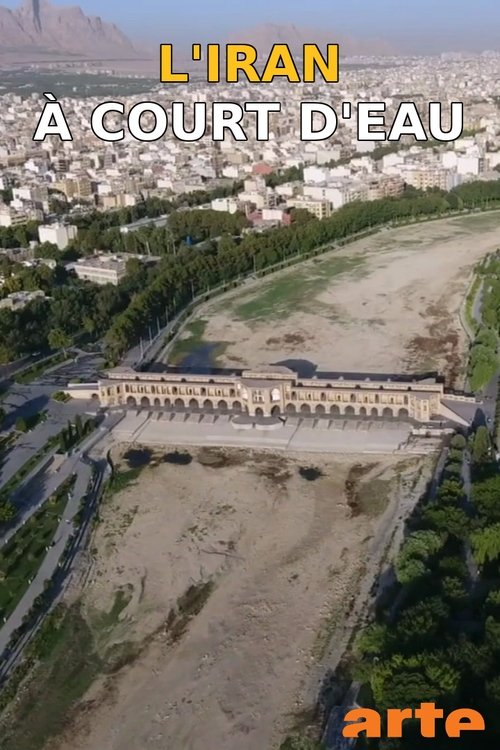
L'Iran à court d'eau
L'Iran à court d'eau

Iran : rêves d'Empire
Iran : rêves d'Empire

For Neda
On June 20, 2009, Neda Agha-Soltan was shot and killed on the streets of Tehran during the turmoil that followed the Iranian presidential contest. Within hours, images of her dying moments, captured on cell phones, appeared on computer screens across the world, focusing the world's attention on mass protests against the rigged elections in Iran. Featuring previously unseen footage of Neda with friend and family, as well as exclusive video of her recorded the day she died, "For Neda" debuts just before the anniversary of her death.
Rap & Revolution im Iran
Rap & Revolution im Iran

Russia, China, Iran: The Axis of Revenge
Russia, China and Iran: three former empires are determined to take their revenge and reassert their power after centuries of humiliation. Since the start of the war in Ukraine, they have never been so aligned on the international stage. Their common goal: to put an end to Western hegemony, restore their zone of influence and propose a new model of society. To achieve this, they are waging a hybrid war against the democracies: military, technological, economic, informational and ideological. Are they on the verge of joining forces to create a new world order?

Iranian Taboo
Iranian Taboo tells the harrowing story of Baha'i woman Nadereh and her 14-year-old daughter who decide to sell all their belongings and leave their home in Isfahan to take refuge in the west. The film takes us across continents from Turkey to Israel and from the USA to Iran. We are given unique insights - from the underground Baha'i university (BIHE) to Iranian Nobel Peace Prize winner, Shirin Ebadi, from the suppressed Baha'i peasants of the Ivel village in the northern province of Mazanraran to Abolhassan Banisadr, 1st president of the Islamic Republic of Iran.
Der verborgene Schatz - Die legendäre Kunstsammlung des Iran
Der verborgene Schatz - Die legendäre Kunstsammlung des Iran

Attila
A harrased dog is found by animal helpers near a small village in Iran, they take him to the shelter and cure his disease but soon they find out Attila the dog suffers from an infected leg. As the helpers don't want his leg to be cut off They manage to send Attila to the USA via an unbelievable story.
Streaming IPTV FAQ
Can I watch this title through IPTV?
Availability depends on your IPTV provider and the rights included in your subscription. This page uses TMDB data for discovery and does not host video content.