Watch The Iron Ministry in streaming IPTV
The Iron Ministry
Overview
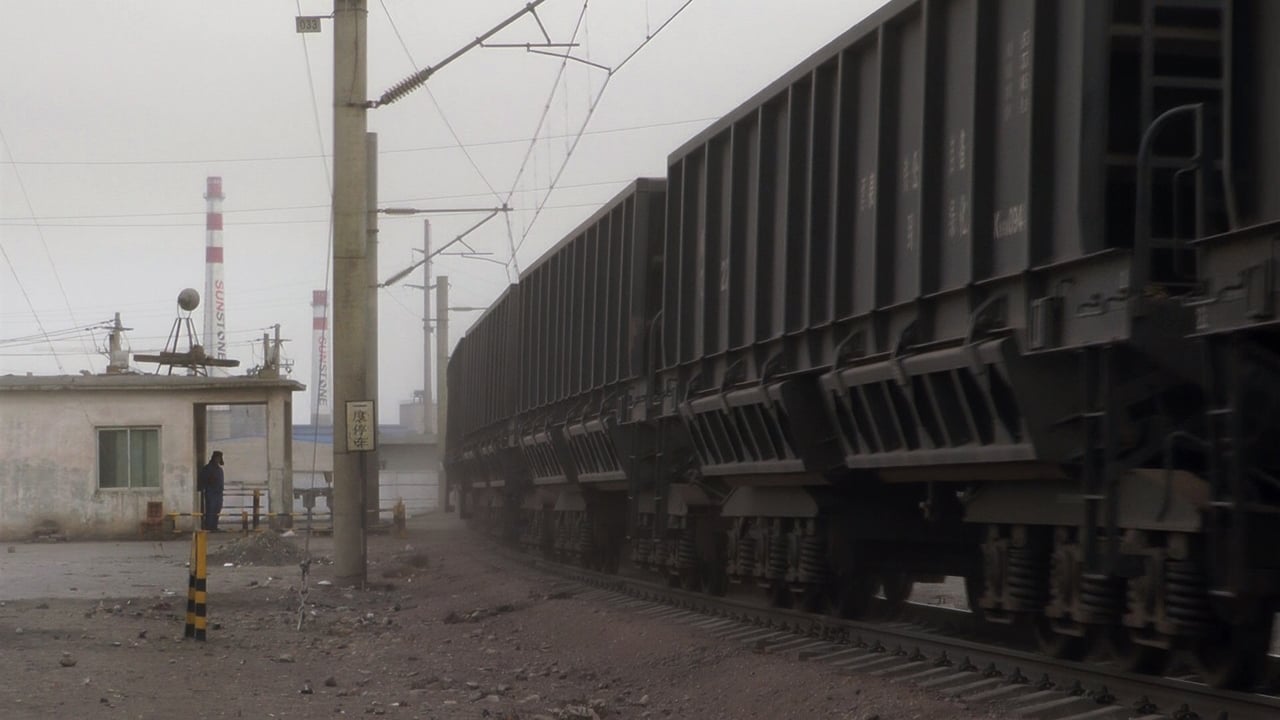
Filmed over three years on China’s railways, The Iron Ministry traces the vast interiors of a country on the move: flesh and metal, clangs and squeals, light and dark, and language and gesture. Scores of rail journeys come together into one, capturing the thrills and anxieties of social and technological transformation. The Iron Ministry immerses audiences in fleeting relationships and uneasy encounters between humans and machines on what will soon be the world’s largest railway network.
Genres
Similar titles
The Other Side
After 30 years of cold war, Taiwan and China finally opened cross-strait trade and tourism in 1980. However, through decades of political and educational vilification of their counterparts by the KMT and CCP, and despite close economic and cultural ties, what lies beneath the diplomatic relations is a disconnect and mistrust that cannot be denied. KE is a failed business in Taiwan who hopes to start over as a 'Taiwanese Expat' in Shenzheng, China with a Taiwanese company. Lili, a laborer from China, meets her Taiwanese husband online and moves to Taiwan in hopes of a better life. Both KE and Lili cross the straits in hope of achieving what they cannot find in their homeland. But how much do they really know about that country across the straits?
Rock and Cliff: The Geological Surface of Horn Town
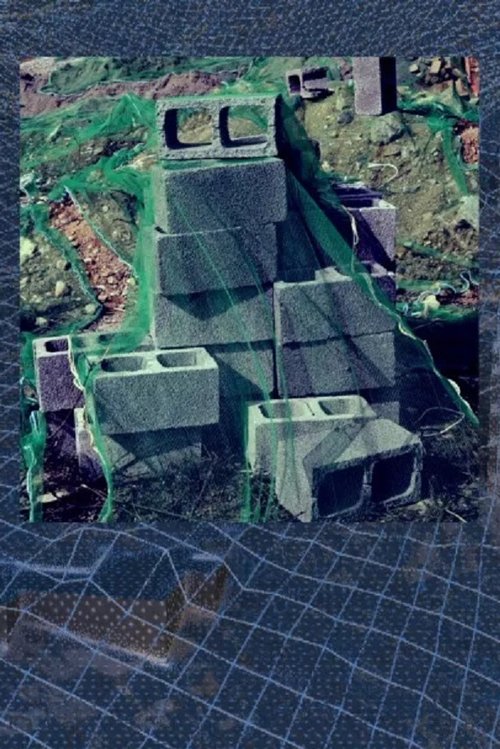
Video essay ‘Rock and Cliff' investigates the creation of Horn Town, a new model village and centre of large scale tourist development, and the experiences of rural residents moved there through government-led displacement. Horn Town is located in Wulong, a rural district near the Three Gorges Dam administered by the Chongqing municipality (a city of 30 million people). Narrated in the style of a science documentary but using local Chongqing dialect, the video brings a geological and topographical perspective to types of 'rocks' found in the area,from mythological stones from a mountain cliff, to ruins of the original settlement, to a stone sculpture from a dubious 'Land Art Biennial', in order to address issues of land acquisition, top-down development and spatial politic.
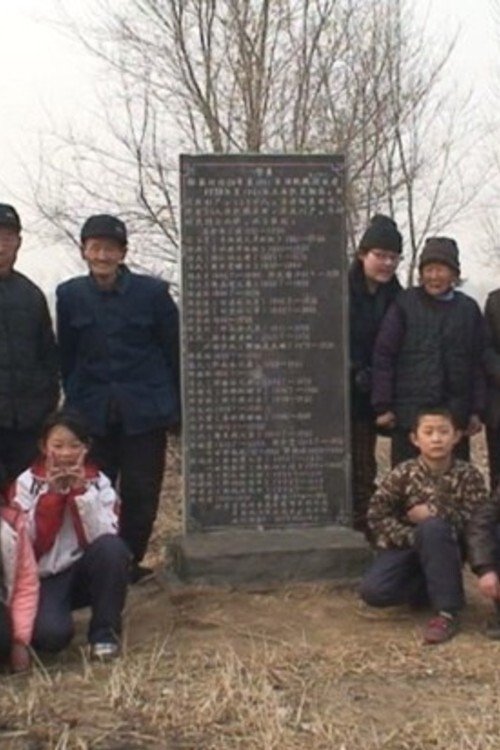
Children's Village
Zou Xueping continues to interview old people in her village, this time with the help of local children. They start collecting names and money to erect a memorial for the victims of the famine.
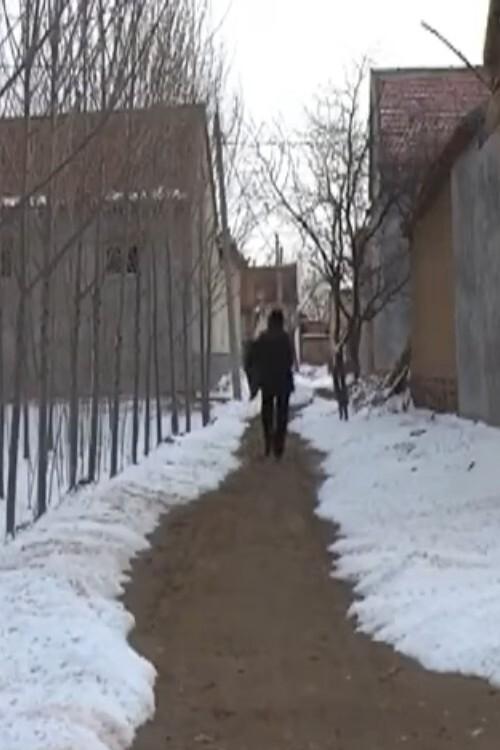
The Starving Village
This is my second documentary film, and it is fully composed of old people. One woman, nearing 80, is living out the last two years of her life. From when she is still using a cane to walk, to when she becomes paralyzed. This is my grandmother. We also see other elderly people from the village, their daily activities, the tales of their starvation from 50 years ago.
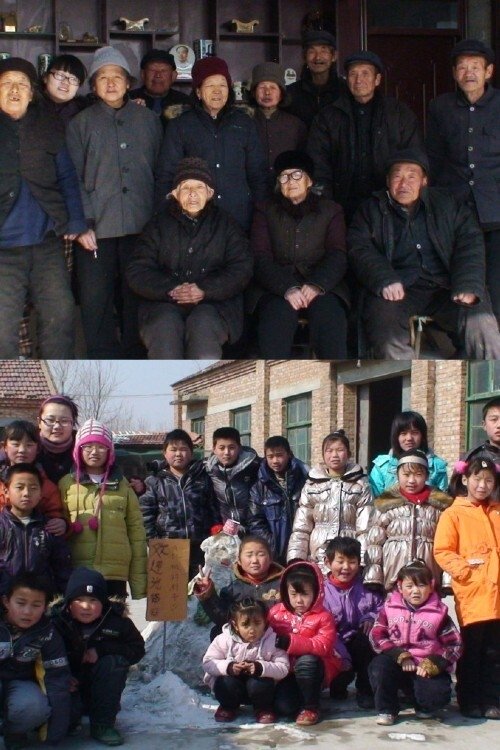
Satiated Village
It is the director's second documentary of "my village" series since she got involved with the "Folk Memory Project". She returned to her hometown to shoot footage, recording the realities she encountered in her search for memories. Her biggest question is: after experiencing the disaster of the tragic famine fifty years ago, the villagers now are not short of food, and are living a better life than before, but is the spirit of this village still starving?
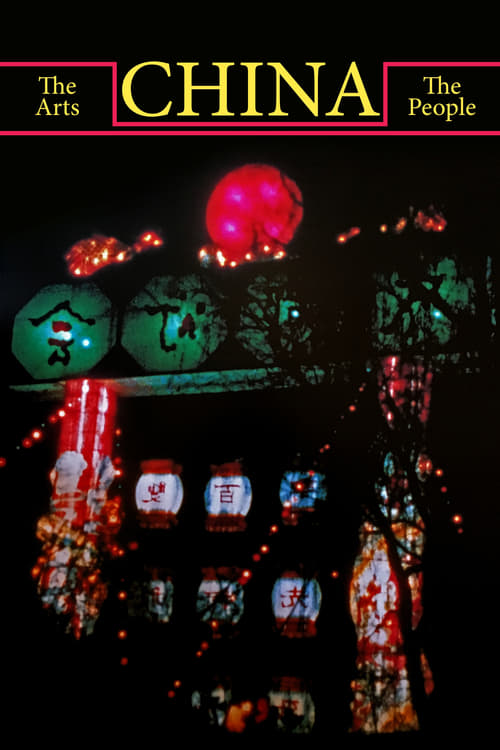
China. The Arts – The People
China marks the beginning of the extensive Asian theme in Ottinger’s filmography and is her first travelogue. Her observant eye is interested in anything from Sichuan opera and the Beijing Film Studio to the production of candy and sounds of bicycle bells.
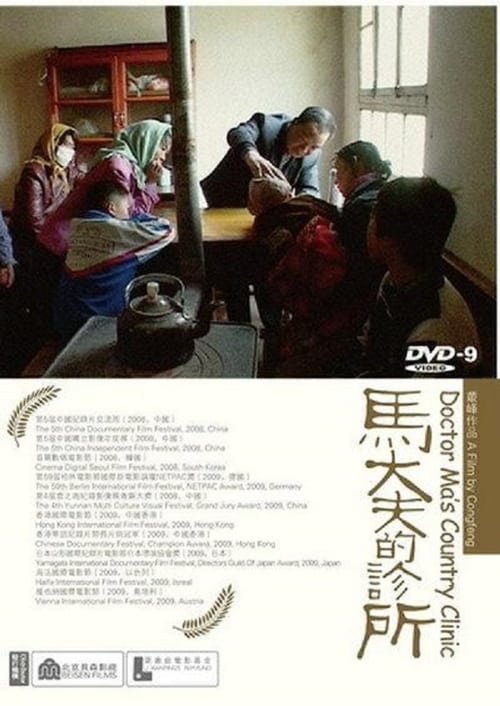
Doctor Ma's Country Clinic
"Huangyangchuan, Gansu province, China. It's an arid mountain area with poor roads. Ma Bingcheng is well-respected local doctor, so many patients (most of them farmers) come to see him every day. In his small clinic, people chat with each other about their lives, local conditions, or the people they know. The clinic seems to open up like a microcosm, the information and experiences of different people intertwine, revealing the conditions of typical Chinese farmers, and the typical fates of both young and old--"
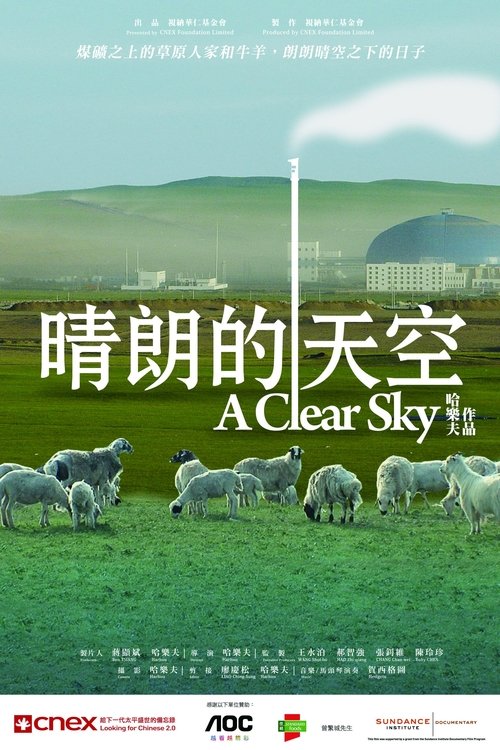
A Clear Sky
Xilin Gol grassland in Inner-Mongolia is one of few natural grasslands with high-quality pasture in China. When a rich coalfield is discovered under the ground of this beautifully natural scene, the nomadic herdsmen reluctantly migrate into the cities and wave farewell to their grassland. The water levels lower, plants die, and only sandstorms remain on the prairie.

On the Road
Only a few days before the Spring Festival of 2008, several truck drivers set off from Nantong, Jiangsu Province, to Guizhou province to deliver goods. But what they didn't expect was that they ran into a big snowstorm not long after their departure. What would these drivers do after they got caught up in a snowstorm and coudn't do nothing about it but wait? How would they react to this unexpected halt? And what would happen to this convoy?
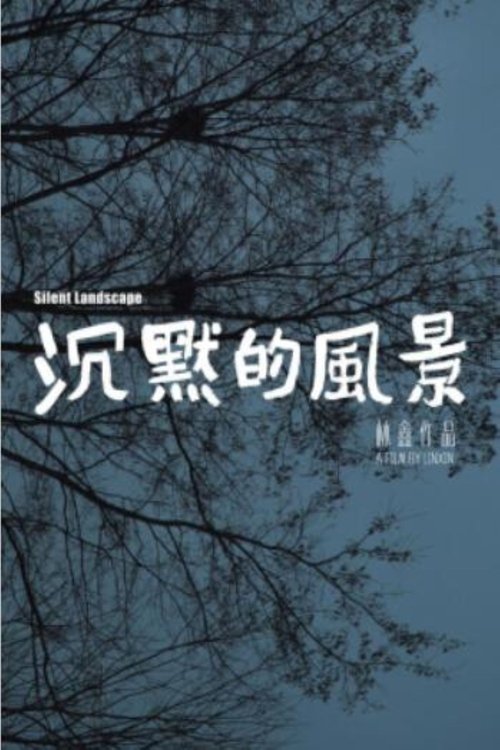
Silent Landscape
This is a film about the unison between the four seasons of life and the four seasons of the year, intertwined with the geospatial and temporal dimensions of a small town named Tongchuan situated on the northwest of the Loess Plateau.
Streaming IPTV FAQ
Can I watch this title through IPTV?
Availability depends on your IPTV provider and the rights included in your subscription. This page uses TMDB data for discovery and does not host video content.