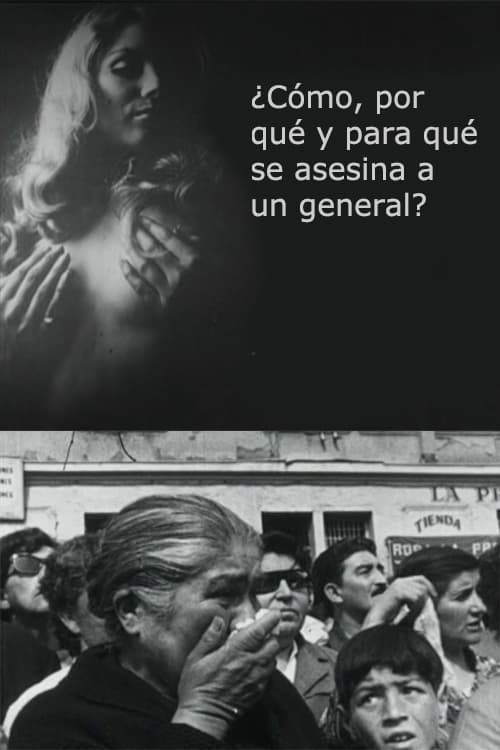
Watch ¿Cómo, por qué y para qué se asesina un general? in streaming IPTV
¿Cómo, por qué y para qué se asesina un general?
Overview
Documentary short about the death of Chilean general René Schneider by the CIA, following the election of Salvador Allende as president of the nation.
Genres
Similar titles
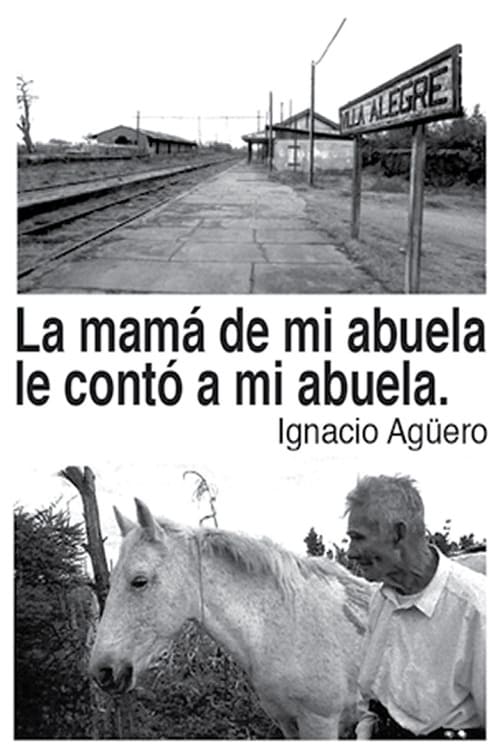
My Grandmother's Mother Told My Grandmother
Gathered by a theater company, a small town in Chile called Villa Alegre, looks deep into its origins and myths to tell their own history through a play.
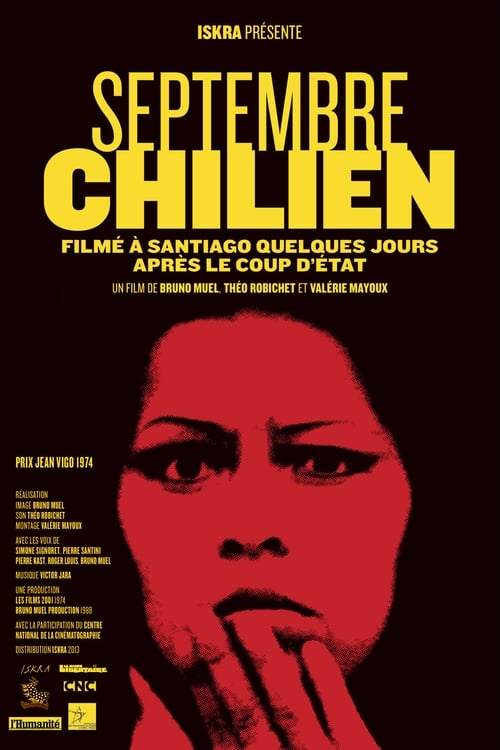
Septembre Chilien
Bruno Muel's documentary on the coup in Chile in 1973. Muel, who was part of the famed Medvedkine group, along with Chris Marker and Jean-Luc Godard, among others, captured one of the most powerful portraits of the early days of Dictatorship. Profound solidarity with the socialist cause, Muel and his team showed great courage to mix the official registration of images with those triumphant, clandestine, of the nascent opposition.
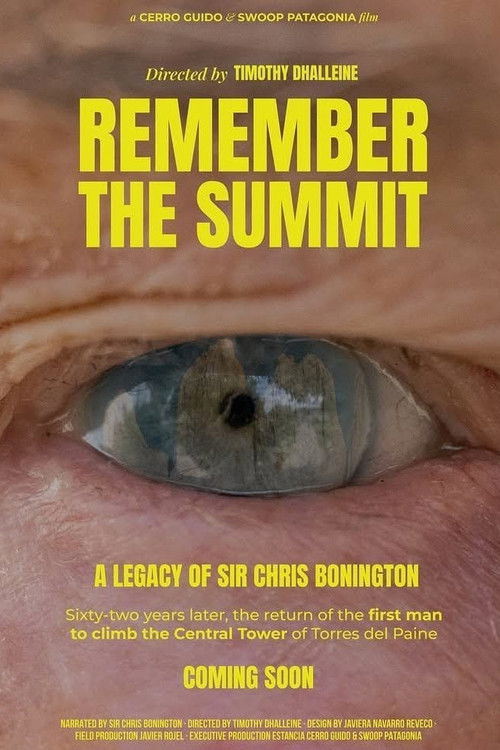
Remember the Summit
Sir Chris Bonington’s return to Torres del Paine, 62 years after the first ascent of the Central Tower. At 91 years old, and while living with Alzheimer’s disease, the documentary accompanies Bonington in a profoundly human return: an attempt to reconnect with memories that time has erased, but that the Patagonian landscape still seems to guard. During the filming, Chris once again set foot on the territory of Estancia Cerro Guido, closing a circle between past and present, between the epic of mountaineering and the fragility of memory.

Valdivia 1960, El Gran Terremoto
Valdivia 1960, El Gran Terremoto
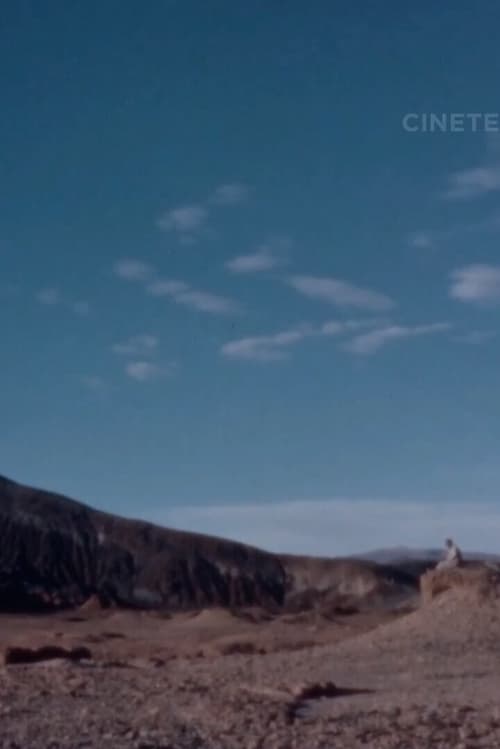
San Pedro de Atacama
Report on the town of San Pedro which exists in the middle of the desert and at over 2,430 meters above sea level. It also deals with the work of priest Gustavo Le Paige and the museum he helped develop.
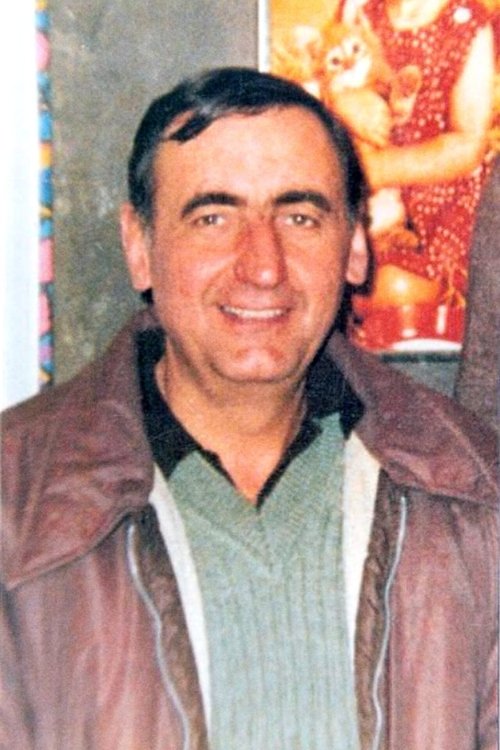
Andrés from La Victoria
During a protest, French priest André Jarlan was shot and killed on September 4, 1984, in the La Victoria neighborhood of Santiago. The residents arrived on foot to the Cathedral demanding justice, also offering a testimony of love and solidarity with their pastor. In parallel, the documentary tells the story of the 1957 occupation that gave rise to the town. It also reveals the strong organization of the residents, essential in addressing the economic hardship and repression suffered by one of the main popular bastions of opposition to the military dictatorship. Pierre Dubois, the parish priest of La Victoria, played a leading role in the attempt to stop the violence against the residents of the town. In recognition of his work, he was granted Chilean nationality in 2001.

The Pearl Button
The ocean contains the history of all humanity. The sea holds all the voices of the earth and those that come from outer space. Water receives impetus from the stars and transmits it to living creatures. Water, the longest border in Chile, also holds the secret of two mysterious buttons which were found on its ocean floor. Chile, with its 2,670 miles of coastline and the largest archipelago in the world, presents a supernatural landscape. In it are volcanoes, mountains and glaciers. In it are the voices of the Patagonian Indigenous people, the first English sailors and also those of its political prisoners. Some say that water has memory. This film shows that it also has a voice.
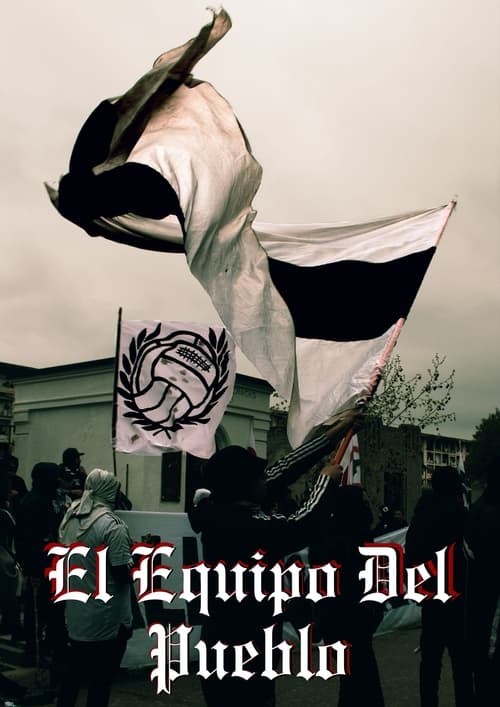
El Equipo del Pueblo
Documentary tells the story of the Chilean football club Colo-Colo, exploring its profound impact on popular culture and the everyday lives of its fans. Throughout the film, it shows how the club has transcended sport to become a symbol of resistance, pride, and class struggle in Chile.
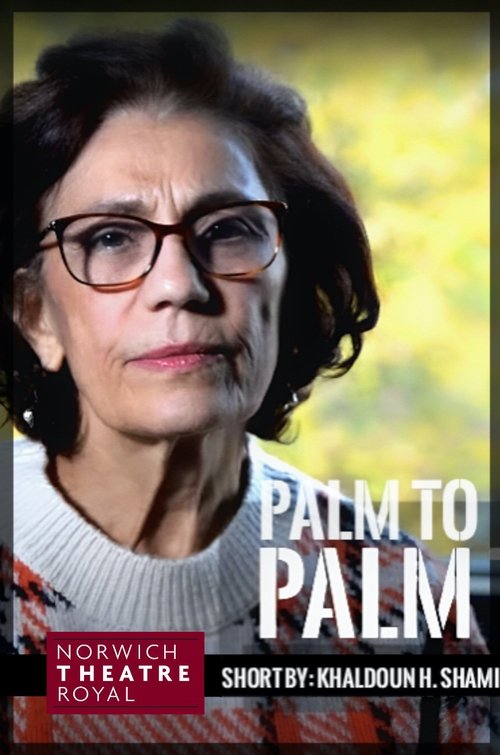
Palm to Palm: Love. Home. Family
"Everybody should have a home. If you punish a nation, this is so abstract, it's very mean to use your power to put another country in your control... Instead of punishment, maybe we should have love." Eliane from Chile, Milad from Iran, and Georgia from Greece, three migrants in the UK and their thoughts on love, home, family, and Shakespeare's Romeo and Juliet.

La península de los volcanes
The documentary portrays the desires and ftures of four young people from the third year of secundary education in Chile. Two of them attend the industrial high school in the San Joaquín commune, where they have already begun their training as a textile technician. They both have dreams, they want to study, work, start a family and improve themselves. On the other hand, at the exclusive Saint George school, two students study in privileged conditions. They want to be professionals and develop through the arts. This is the portrait of two worlds located less than 20 kilometers apart and that can only be together in the audiovisual montage. It is the manifestation of the coincidences and contradictions that exist between the realities and the discourses of four young Chilean students in a fundamental stage for their future.
Streaming IPTV FAQ
Can I watch this title through IPTV?
Availability depends on your IPTV provider and the rights included in your subscription. This page uses TMDB data for discovery and does not host video content.