
Watch All Star Video in streaming IPTV
All Star Video
Overview
A compilation of avant-garde artwork and talent of the mid to late 20th century hosted by Ryuichi Sakamoto.
Genres
Cast

Ryuichi Sakamoto
Self
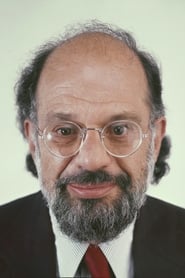
Allen Ginsberg
Self (archive footage)

Charlotte Moorman
Self
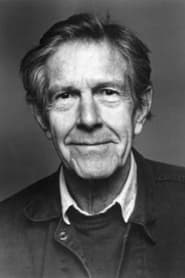
John Cage
Self

Judith Malina
Self

Julian Beck
Self

Nam June Paik
Self
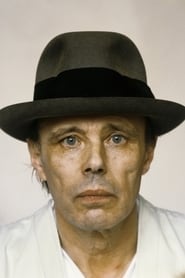
Joseph Beuys
Self (archive footage)

Laurie Anderson
Self (archive footage)
Merce Cunningham
Self (archive footage)
Similar titles

Several Ways to Please Valya
Vickie and Zhenya are identical twins in the process of transitioning. They live in the small city of Norilsk in the far north of Russia. Their entire life is condensed into the space of their small room. The film is constructed as a methodological manual for the creation and arrangement of a living space, and the placement of various objects there. The room of Vickie and Zhenya is examined as an ideal example of the intimate private space capable of authentically reflecting its hostess. The film is based on a video-letter that Vickie and Zhenya sent to their friend Valya. Vickie and Zhenya got to know Valya at the clinic where they underwent their sex reassignment. Since then, Valya has been their constant—though invisible—witness of their life. They report to Valya on all the changes they go through in the process of their transfiguration into Beautiful Ladies.
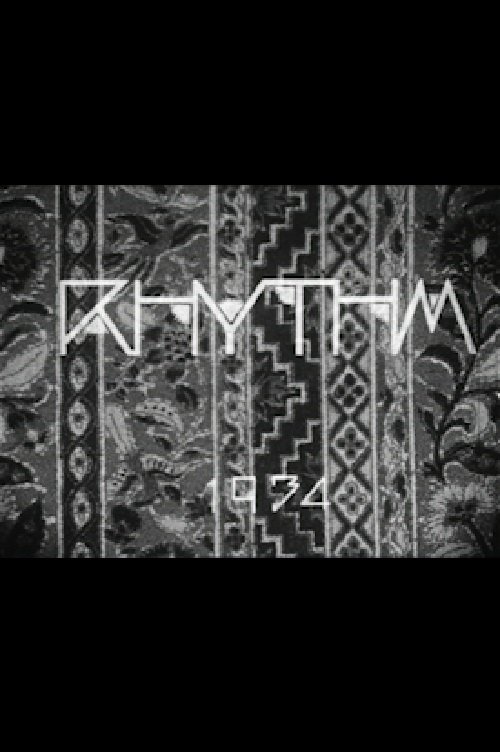
Rhythm
A comfortable rhythm composed of light and shadow. Director Ogino-style absolute movie which freely manipulates geometric figures.

The Temple of Augustus and Livia seen near Saint-Prim
A study of observations around the ancient monument of the temple of Augustus and Livia and to cities of Vienne, Chonas-l'Amballan and Saint-Prim. Firstly proposed as a sort of ghost hunting, the project seems to focus on a world of figures, the whispers of the roads, diegetic/non-diegetic sounds and a camera that tries to investigate under fragments of logic and articulating cuts.
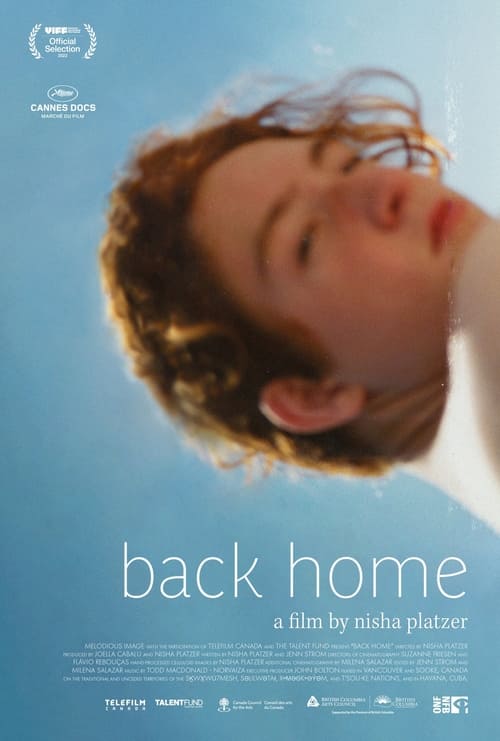
back home
In 1999, 11-year-old Nisha Platzer lost her older brother, Josh, to suicide. Twenty years later, her search for a specialized medical treatment leads her to the door of someone who was once exceptionally close to Josh. And so it is that she finally has the chance to truly know her brother through his chosen family. Captured over five years in which synchronicities continually manifested, Platzer’s documentation of these encounters gently asserts that both grieving and healing are meant to be communal experiences.
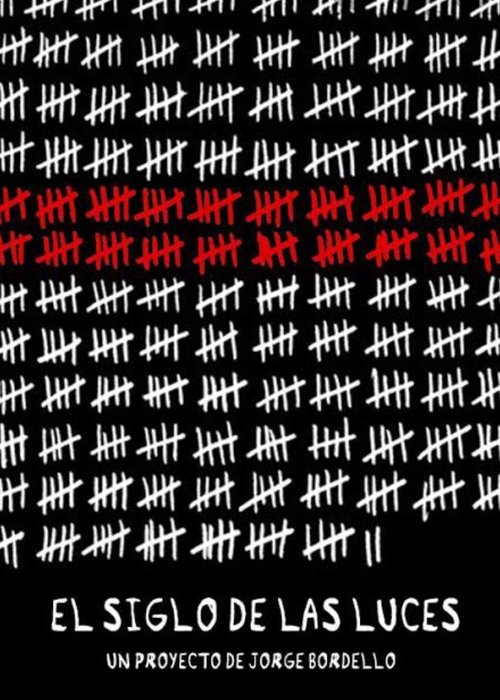
El siglo de las luces
El siglo de las luces
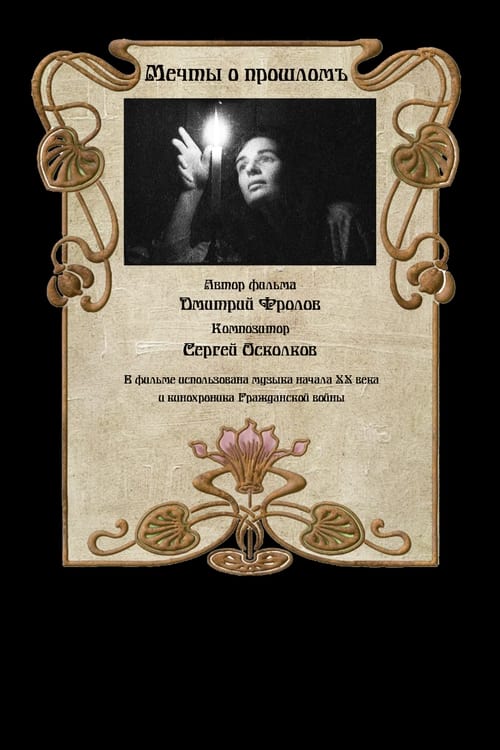
Dreams of the Past
A film about peace, love and war. Dedicated to the 100th anniversary of the end of the Civil War in Russia. The film takes place at the end of the summer of 1917, when Russia and the whole world were at a crossroads between two eras. None of the people could even imagine how much his life would change in the very near future. In a strange way, the atmosphere of the film echoes our current reality and what is happening in Russia today. According to the form of visualization, the film belongs to experimental mockumentary cinema. To give greater authenticity to what is happening on the screen, the shooting was carried out on black-and-white negatives of 16 and 35 mm, hand-operated cameras were used and the material was developed in manual spiral tanks. The documentary chronicle of the Kolchak army of 1919 and the White army in the Far East of 1922 is embedded in the finale of the film.
Light Pharmacy Part 4
Light Pharmacy: 4.1 is part of a series of 'film haiku' concerned primarily with the reflection and refraction of sunlight, and dream representation.---AGN "A surreal fantasy - almost a homage to Maya Deren. Nigrin has a fine feeling for imagery and pacing."---William Sloan, Museum of Modern Art, New York City, 1988.
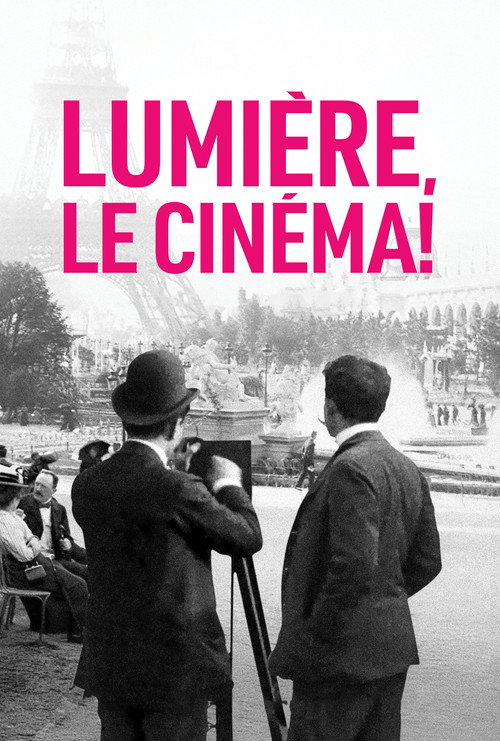
Lumière, Le Cinéma!
In one of those wonderful coincidences of history, lumière, the French word for “light,” was also the last name of brothers Auguste and Louis, whose brilliant invention, the cinematograph, helped to inaugurate the most beloved art form of the last 130 years. Institute Lumière director Thierry Frémaux uses Lumière, Le Cinema! to guide the viewer through over a hundred shorts—some famous, some forgotten, some never before seen—directed by Lumière and company. In the process, Frémaux illuminates how the brothers employed the camera as a creative instrument as they (and their operators) mastered framing, staging, and subject selection for quotidian and exotic microdocumentaries as well as the first ever fictional motion pictures. The result is not only a glorious re(telling) of the genesis of cinema but a profound meditation on the beautiful world captured—and the mysterious world imagined—by the Lumières.

Losing the Light
Losing the Light reflects the artist's bitter battle to stay in this world as a long-term survivor of AIDS who has lost his vision to CMV retinitis. An experimental self-portrait, the video evokes the dissolution and fragmentation of the artists body, representing the impact of blindness, long-term HIV infection, and the cumulative effects of decades of antiretroviral medication.
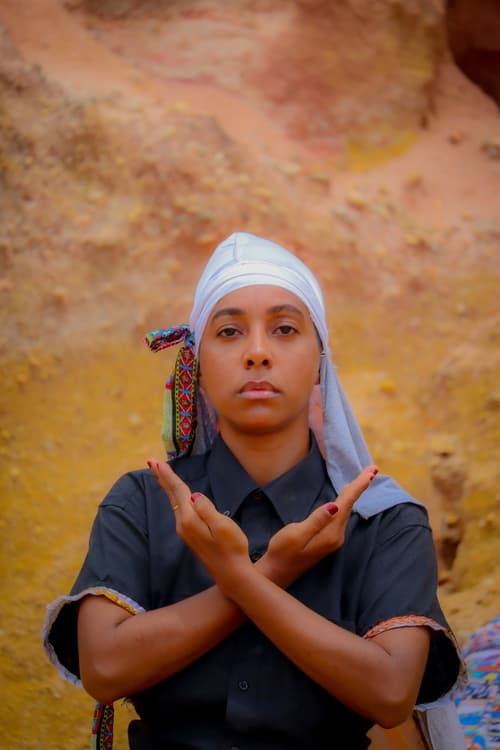
That Child with AID$
That Child with AID$ tells the story of Brazilian advocate and artist Lili Nascimento, who was born with HIV in 1990. Lili has worked to expand narratives about living with HIV beyond the limited images and ideologies that permeate the AIDS industry.
Streaming IPTV FAQ
Can I watch this title through IPTV?
Availability depends on your IPTV provider and the rights included in your subscription. This page uses TMDB data for discovery and does not host video content.