Overview
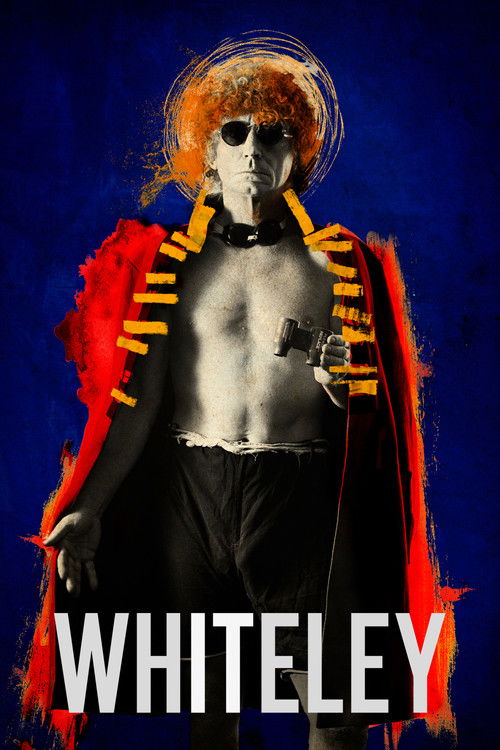
A visual journey into the life and legacy of one of Australia's most celebrated artists, Brett Whiteley.
Genres
Cast
Andrew Blaikie
Brett Whiteley (older)
Jack Barns
Brett Whiteley (child)

Campbell Greenock
Brett Whiteley (younger)
Brett Whiteley
Himself (archive footage)
Similar titles
One October
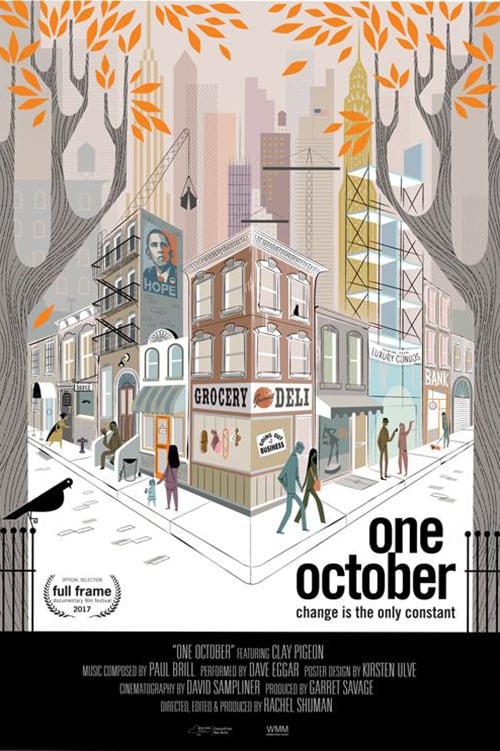
Reporter Clay Pigeon interviews New Yorkers in October, 2008.
Daidō Moriyama: Stray Dog of Tokyo
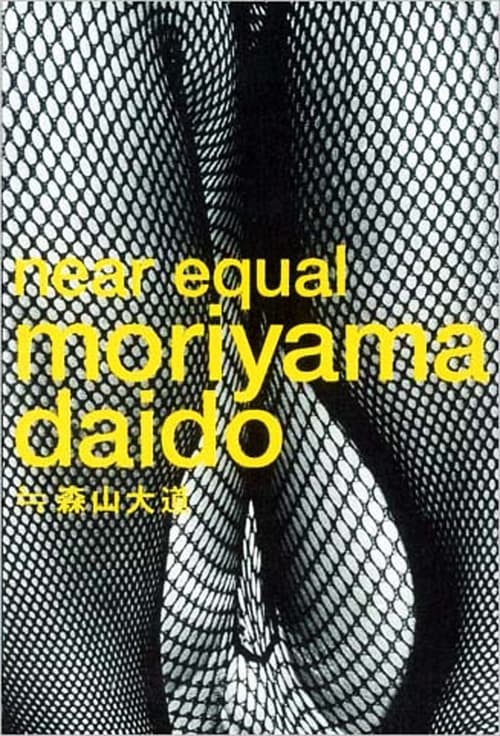
A documentary that follows the life of photographer Daido Moriyama in the present, which has never been revealed before. Even though his charismatic presence has reigned over the world of photography since the late 60’s, his true persona had been hidden behind a veil of mystery, since he had refused any major appearances in front of any media in the past. Follow the charismatic photographer Daido Moriyama as he takes his first digital photos and observe his style of quick snapshots without looking in the finder. His stark and contrasting black and white images symbolize his fervent lifestyle.
1/57: Experiment with Synthetic Sound (Test)
Mostly dark, rejecting images which are repeated. A stone wall, the chamber of a revolver which is, at first not recognizable, a close-up of a cactus. The duration of the takes emphasises the photographic character of the pictures, simultaneously with a crackling, brutal sound. (Hans Scheugl)
Of a Different Order
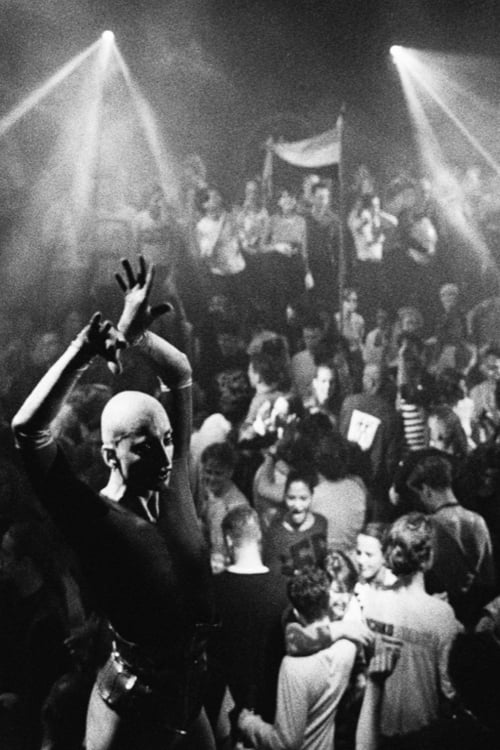
About the art explosion in Amsterdam during the 1980's when artists of all sorts found spaces and places and the legendary club RoXY (1987-1999) was created.
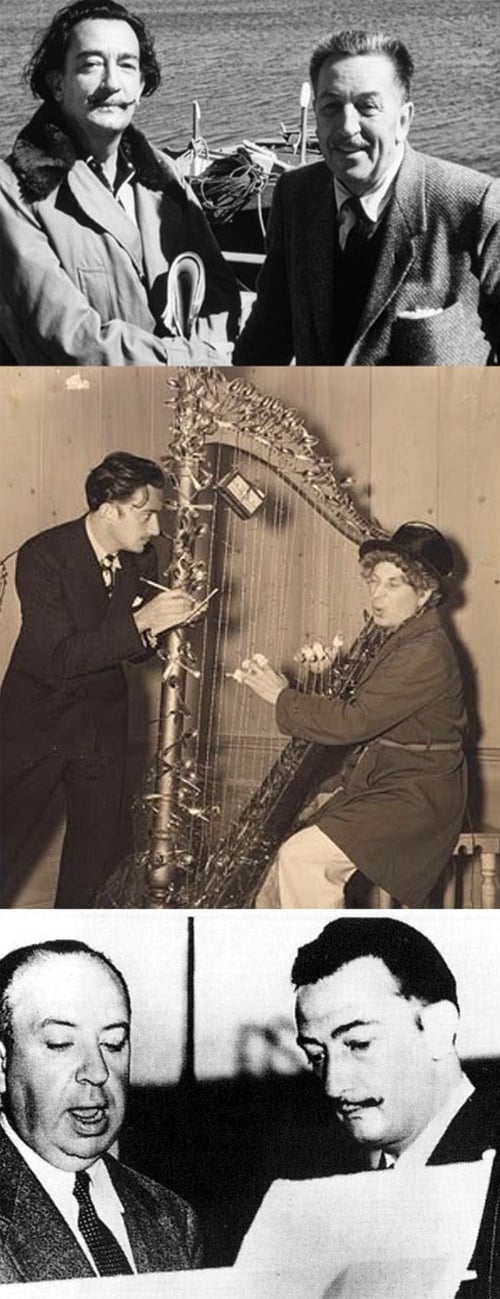
The Cinema According to Dalí
The Cinema According to Dalí
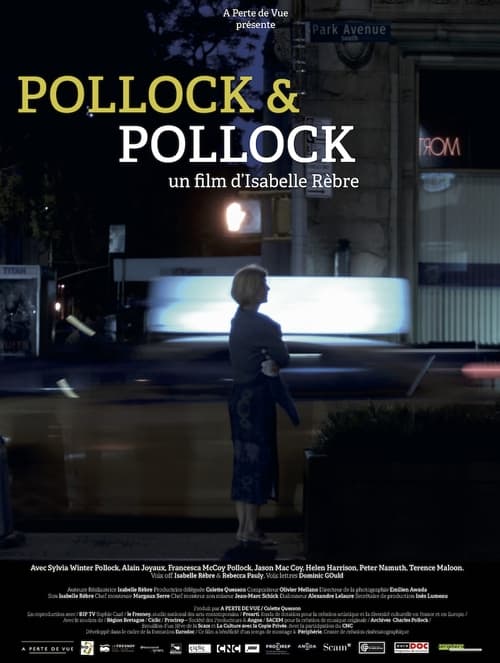
Pollock & Pollock
Jackson and Charles Pollock, two brothers, two painters, are caught up in the twists of twentieth century American history. The electrical center of their trajectory is New York. Their correspondence resonates with it, questions a myth and brings a painter out of the shadows.
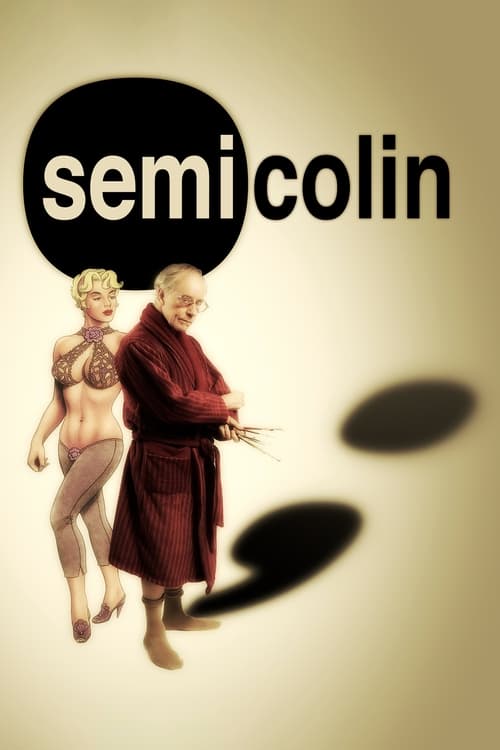
Semi Colin
Challenging all notions of genre, Semi Colin is a living, breathing art installation. Part performance, part art, part social comment, Colin philosophizes on his life's obsessive work as an erotic artist.
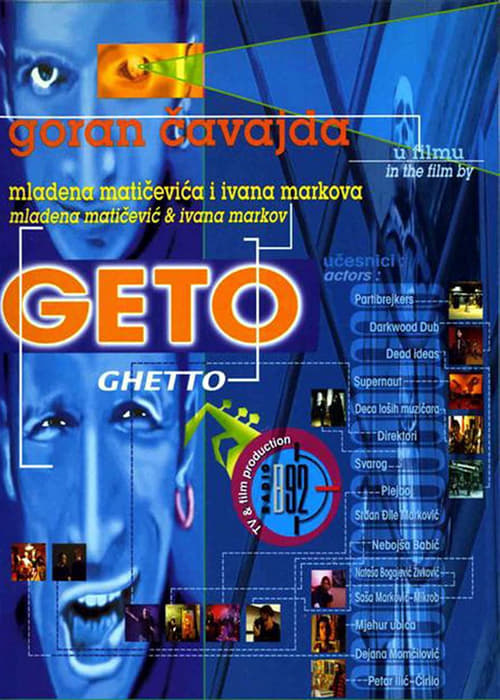
Ghetto - The Secret Life of the City
Belgrade in the 1990s seen through the eyes of Goran Čavajda 'Čavke', the late drummer of Serbian rock band "Electric Orgasm". Under dictatorship of Slobodan Milošević, his city became one of the worst places to live in Europe, while the country suffered highest inflation rate in its history, accompanied by mass poverty and political isolation. Documentary follows Čavke walking through the Belgrade streets where total chaos and decline of moral values rule. He finds his only shelter underground, where his friends - musicians and artists - live and work invisibly.
Something in the Water
Something in the Water explores the rock phenomenon that is music in WA. How can the most isolated city in the world have exploded with so many successful bands over the years? Across decades and genres, Something in the Water asks "what is responsible for the sparkling talent pool?"
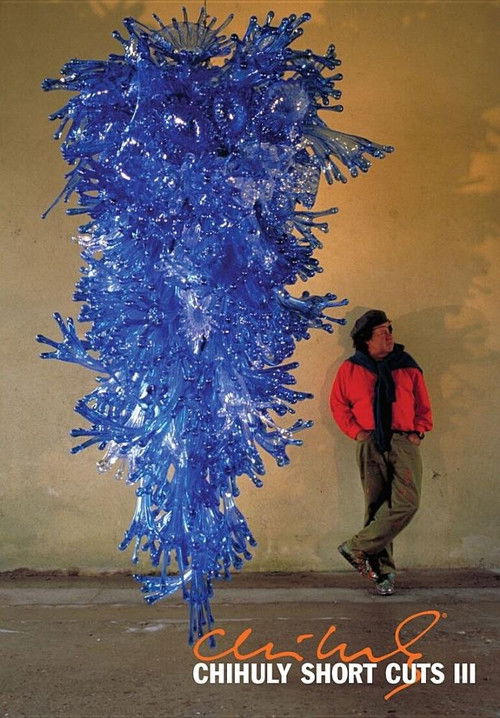
Chihuly Short Cuts III
For nearly half a century, Dale Chihuly has traveled the world, creating and installing his artwork. From sculptures to large-scale installations, his blown-glass works revolutionized the American studio glass movement. In Short Cuts III, Chihuly's role as both artist and teacher is revealed, uncovering the stories and the process behind some of his most celebrated projects, from working with students in his hometown of Tacoma, Washington, to exhibitions in prominent botanic gardens worldwide.
Streaming IPTV FAQ
Can I watch this title through IPTV?
Availability depends on your IPTV provider and the rights included in your subscription. This page uses TMDB data for discovery and does not host video content.