Watch Waiting for the Sun in streaming IPTV
Waiting for the Sun
Overview
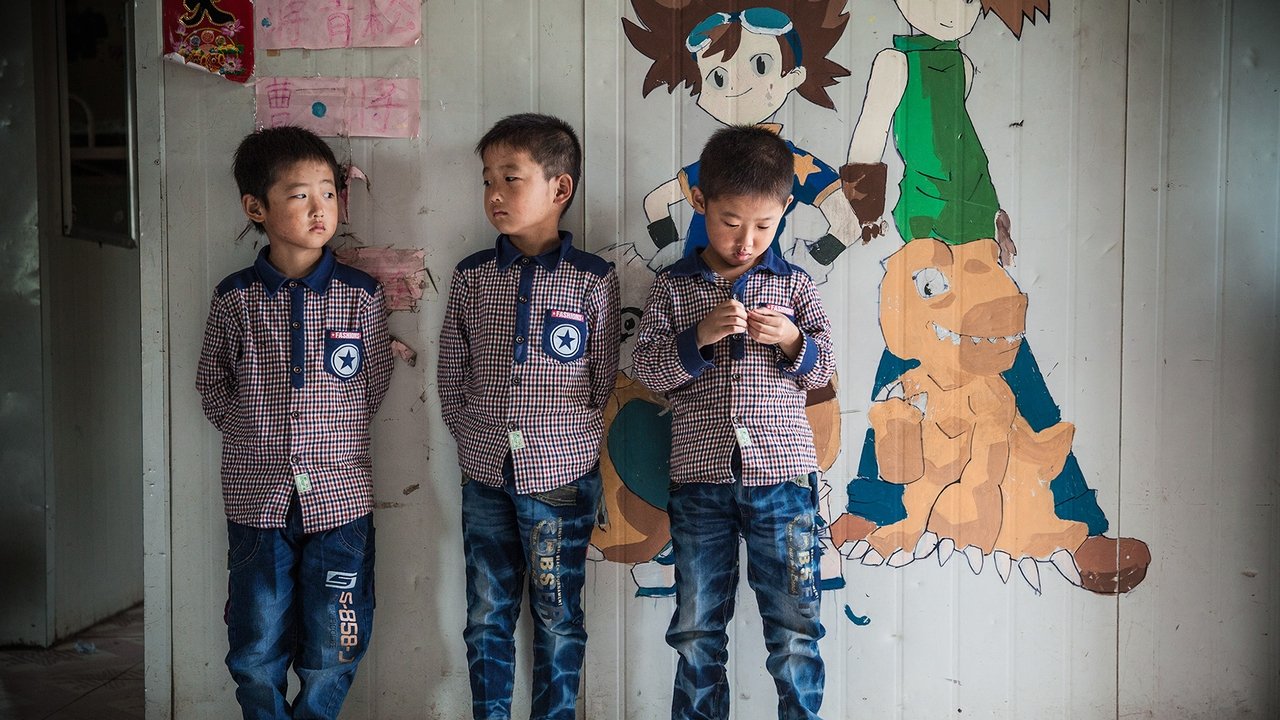
In China more people are on death row than the rest of the world combined. The children of the convicts are often left alone, stigmatized and living in the streets. Grandma Zhang, as the kids call her, is a former prison guard who has founded an orphanage in Nanzhao.
Genres
Similar titles
How China Got Rich
Over the last 40 years, China has been transformed out of all recognition. The scale of its growth and the sheer speed of change has been astonishing. The country has seen the largest lifting of people out of poverty that has ever taken place in human history. How did an impoverished and backward communist country become an engine of global capitalism? What lies ahead for this economic behemoth?
Undercover in Tibet
Undercover in Tibet reveals the regime of terror which dominates daily life and makes freedom of expression an impossibility. Tash meets victims of arbitrary arrests, detention, torture and ‘disappearances’ and uncovers evidence of enforced sterilizations on ethnic Tibetan women. He sees for himself the impact of the enormous military and police presence in the region, the hunger and hardship being endured by many Tibetans and hears warnings of the uprising taking place across the provinces now.
One "Orphan" Every Hour
Nearly 250,000 South Korean children were adopted to the West as “orphans” in the 60 years following the Korean War. Some to loving homes. Others to tragic ends. Raised in places where they looked like nobody else, many were told to forget their past and be grateful. But the innate desire to understand where you came from has led many Korean adoptees to search for their roots. In the process, they discover lies in their past and families they never knew existed. In this documentary series, correspondent Wei Du travels around the world to meet Korean adoptees and accompany a few on their journey to reclaim who they are. Together, they reveal how an “orphan rescue” mission separated families and erased the roots of hundreds of thousands.

Mrs. Fang
In a quiet village in southern China, Fang Xiuying is sixty-seven years old. Having suffered from Alzheimer's for several years, with advanced symptoms and ineffective treatment, she was sent back home. Now, bedridden, she is surrounded by her relatives and neighbors, as they witness and accompany her through her last days.
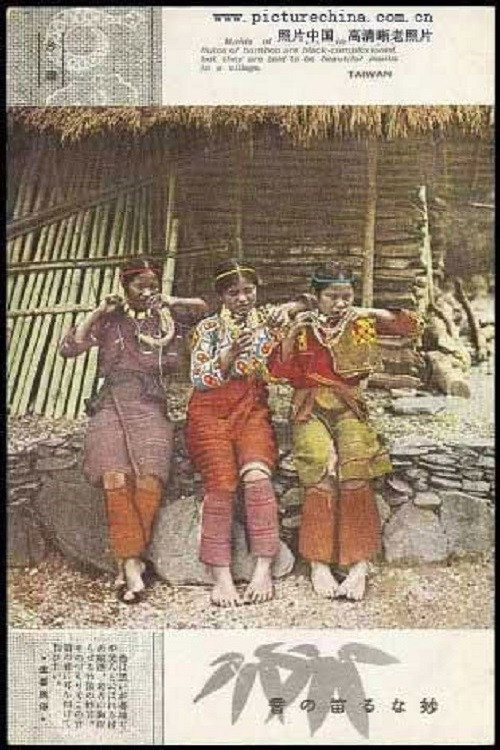
Postcards from Indigenous Taiwan
An insight into the Indigenous culture and traditions in Taiwan, from clothing, tattooing, art and music to tourist destinations.
Taiwan: A Digital Democracy in China's Shadow
One Country, Two Systems? No Way! say the youth of Taiwan. But China under President Xi Jinping wants more than ever to bring the island of Taiwan back into the fold, just like Hong Kong. Can the burgeoning democracy on China’s doorstep, driven by digital technology, resist the Middle Kingdom’s advances? To China Taiwan is a breakaway province that must return to the fold. To its 24 million inhabitants it is a sovereign state with its own constitution and democratically elected leaders. Now that Hong Kong has been brought into line, Taiwan remains determined to stand up as a vibrant, young democracy. But it won't be easy. Since the Sunflower Movement in 2014 when the young came out to prevent an economic agreement with China, citizen groups have been fighting for the transparency of institutions.
Forbidden City: The Great Within
Amidst the grand walls of the Forbidden City, the film takes us on a deep journey through the ceremonial life of the Chinese emperor, unveiling the secrets and intrigues of concubines, eunuchs, and palace maids. As the West begins to influence China in the late 19th century, the dynamics within the city shift dramatically. The film highlights the preservation and restoration of invaluable treasures and paintings, culminating in the creation of the Palace Museum. With insights from renowned China scholar, Jonathan Spence, this is an intimate exploration of the rich cultural and historical tapestry that makes up the heart of ancient China.
Kampf um Tibet
Kampf um Tibet
Tibet Les nourritures spirituelles
Tibet Les nourritures spirituelles

Tibet - Les nourritures terrestres
Tibet - Les nourritures terrestres
Streaming IPTV FAQ
Can I watch this title through IPTV?
Availability depends on your IPTV provider and the rights included in your subscription. This page uses TMDB data for discovery and does not host video content.