Overview
Qallunajatut (Urban Inuk) follows the lives of three Inuit in Montreal over the course of one hot and humid summer.Only two generations ago Inuit lived in small, nomadic hunting camps scattered across the vast Arctic landscape. Since the 1950s, this traditional lifestyle has undergone an astonishing transition from Stone Age to Information Age, as Inuit first relocated (often by force) to government-run settlements, and, more recently, beyond the settlement into southern cities.
Genres
Similar titles
Lypa
A portrait of Inuit hunter and artist Lypa Pitsiulak, who decided to return to the land several years ago. His goal was to rediscover his culture, teach his family survival skills in the harsh Arctic environment, and pull himself and his family away from the negative influences of white culture. The film portrays his lifestyle, his love for his family, and some of the sources of his artistic inspiration. It also highlights his beautiful prints and sculptures, with their fantastic interweaving of figures from the animal, spirit and human worlds.
In unison
In unison
Coller pour crier
On March 15, 2020, Montreal sees appearing on a wall, written in black letters on white paper "Stop feminicides". It is at this moment that the Collages Feminicides Montreal collective sees the light for the first time. Now the streets of the city are carpeted with their words. Today, after the 17th feminicide, they will continue to fight and stick, until this violence stops.
Canada Vignettes: Inuit Pipe
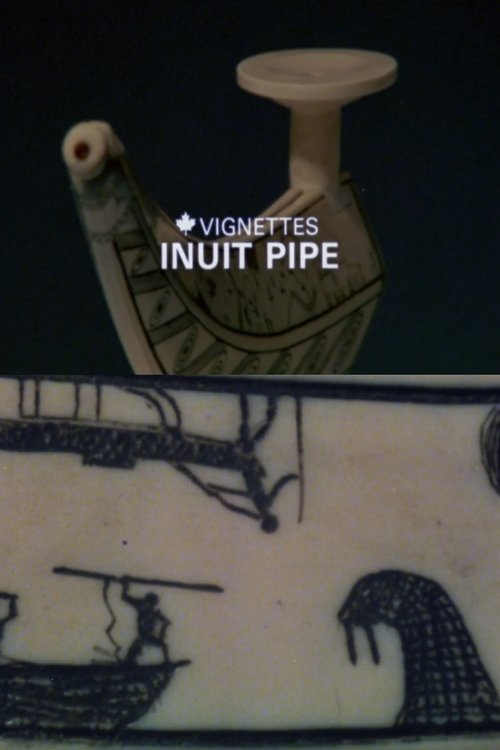
In this animated short from the Canada Vignette series, the camera explores, in exquisite detail, the daily hunt, fishing scenes and children at play as etched in black on an ivory Inuit pipe.
Strangers for the Day
This short documentary shows the reactions of European immigrants as they land in Halifax at the beginning of the 1960s. From the port, we follow them on a snowy journey by train to Montreal.
Our Street Was Paved with Gold
Filmmaker Albert Kish revisits Montreal's St Lawrence Boulevard in the '70s. The street, also known as "The Main," is a little Europe with many languages, foods and small courtesies that make a stranger feel at home.
Le patro Le Prévost - 80 Years Later
Alanis Obomsawin turns her lens to Le Patro Le Prévost, a recreational centre in the Villeray quarter of Montreal. On the eve of its 80th anniversary in 1989, Le Patro is a vital focal point in the predominantly working-class neighbourhood. Beloved by the many generations who use the facilities and partake in activities daily, Le Patro encourages a strong sense of togetherness through principles of cooperation, respect and sharing. Obomsawin presents a tender portrait of a neighbourhood of diverse residents and the community centre many of them consider a second home.
Monsieur
Monsieur

No entry
Prohibited, abandoned, and unexplored sites are hidden and sealed in Montreal. Entering defies the law, danger, and death. The urbex community is an even better-kept secret. Enter into this universe at your peril.
Qallunaat!
Qallunaat! Why White People Are Funny is an irreverent look at Western Civilization through Inuit eyes. Inspired by the satirical essays of Zebedee Nungak, the film turns the tables on generations of anthropologists, teachers, adventurers and administrators who went North to pursue their Arctic Dreams. Now it’s their turn to be poked, prodded, examined and explained. A new generation of Inuit is ready to take on the Qallunaat at their own game. Grounded in their own traditions but educated in the South, they have a unique perspective on the culture that has come to dominate the planet. And they are not afraid to speak their minds.
Streaming IPTV FAQ
Can I watch this title through IPTV?
Availability depends on your IPTV provider and the rights included in your subscription. This page uses TMDB data for discovery and does not host video content.