Overview
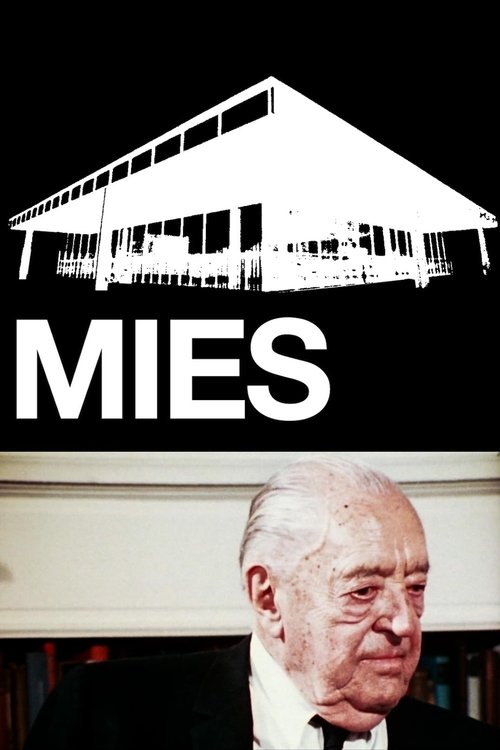
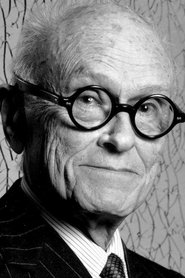
No understanding of the modern movement in architecture is possible without knowledge of its master builder, Mies van der Rohe. Together with documentation of his life, this film shows all his major buildings, as well as rare film footage of Mies explaining his philosophy. Phyllis Lambert relates her choice of Mies as the architect for the Seagram building. Mies's achievements and continuing influence are debated by architects Robert A.M. Stern, Robert Venturi, and Philip Johnson, by former students and by architectural historians. Mies is seen in rare documentary footage.
Genres
Cast
Mies van der Rohe
Archive Footage
Robert A.M. Stern
Self
Philip Johnson
Self
Franz Schulze
Narrator
Peter Blake
Self
George Danforth
Self
Arthur Drexler
Self
Peter Eisenman
Self
James Ingo Freed
Self
Myron Goldsmith
Self
Similar titles
Berlin Babylon
A documentary focusing on the rebuilding projects in Berlin after the fall of the Berlin Wall.
If You Build It
A year in the life of one of America's most innovative classrooms where students design & build to transform their hometown community. The film follows Emily Pilloton and Matt Miller as they teach the fundamentals of design, architecture and construction to a class of high school juniors in rural North Carolina.

Brasilia, Contradictions of a New City
In 1967, de Andrade was invited by the Italian company Olivetti to produce a documentary on the new Brazilian capital city of Brasília. Constructed during the latter half of the 1950s and founded in 1960, the city was part of an effort to populate Brazil’s vast interior region and was to be the embodiment of democratic urban planning, free from the class divisions and inequalities that characterize so many metropolises. Unsurprisingly, Brasília, Contradições de uma Cidade Nova (Brasília, Contradictions of a New City, 1968) revealed Brasília to be utopic only for the wealthy, replicating the same social problems present in every Brazilian city. (Senses of Cinema)
Die Bauten Adolf Hitlers
Nazi Third Reich propaganda film that used architecture as a statement about "racial accomplishment," and so called "racial superiority." Hitler claimed that between 1934 and 1940, the Nazi rule of Germany had produced architectural uniqueness, and this film was produced to shown to attempt to validate that. The opening montage gives a survey of earlier Gothic and Baroque structures in the country as an example of "architectural superiority" that the German race was said to be the sole inventor of; then moves on to deride the recent construction of the Bauhaus school (with a racially motivated score of Jazz music) and an example of German "architectural decay." Then proceeds to show off buildings constructed by the Nazi and an architectural revival, to "last 1000 years," Film also spends a great of time dwelling on massive and "busy" monuments that had been erected all over the county.
Son of Torum
In the same vein as Meri's other documentations, this one takes advantage of the glasnost policy to discuss the social and ecologic impact of the Russian oil industry on the natives and the lands they inhabit.
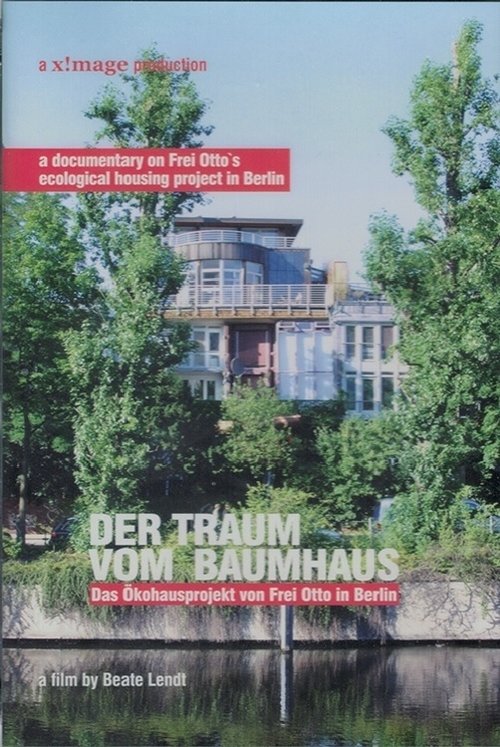
Dreaming of a Treehouse
A film about the pioneering community-building project of the world-famous architect Frei Otto in Berlin, called the Okohaus-an experimental, ecological, customized housing project in the city center. Including interviews with Frei Otto, Christine Kanstinger-Otto, Hermann Kendel, Yona Friedman, Anne Lacaton and Jean-Philippe Vassal, and other involved architects, planners, and inhabitants, the film shows the development and the philosophy of the project, which was built for the International Building Exhibition in Berlin 1987 (IBA).
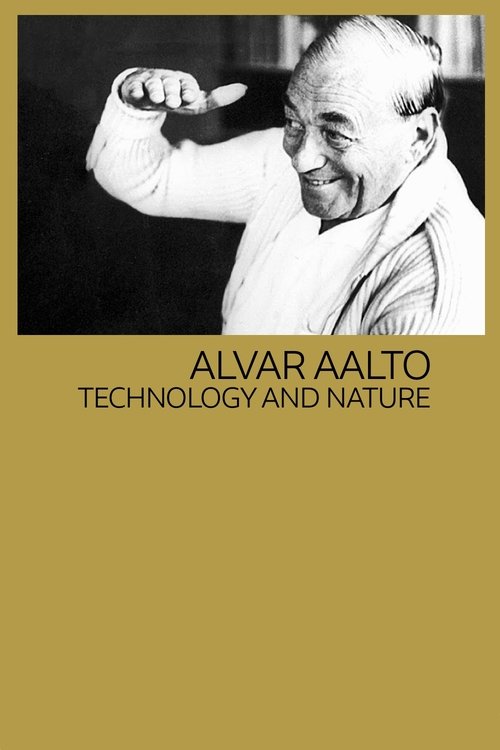
Alvar Aalto: Technology and Nature
The Finnish architect Alvar Aalto (1898–1976) is one of the great figures of modern architecture, ranked alongside Gropius, Le Corbusier and Mies van der Rohe. This film analyses Aalto’s uniquely successful resolution of the demands and possibilities created by new technology and construction materials with the need to make his buildings sympathetic both to their users and to their natural surroundings. His inventive use of timber in particular represents both a reference to the forest landscape of Finland and a building material that is ‘warm’ and extremely adaptable. Filmed in Finland, Italy, Germany and the USA, this documentary shows how the Finnish natural environment and art traditions were essential elements in Aalto’s pioneering harmonization of technology and nature.
Under Tomorrow's Sky
Winy Maas, co-founder of MVRDV architects, always has 100 projects going at once. Documentary filmmaker Jan Louter followed him for two years to make "Under Tomorrow's Sky", a candid and open-hearted look at the highs and lows of the architecture profession.
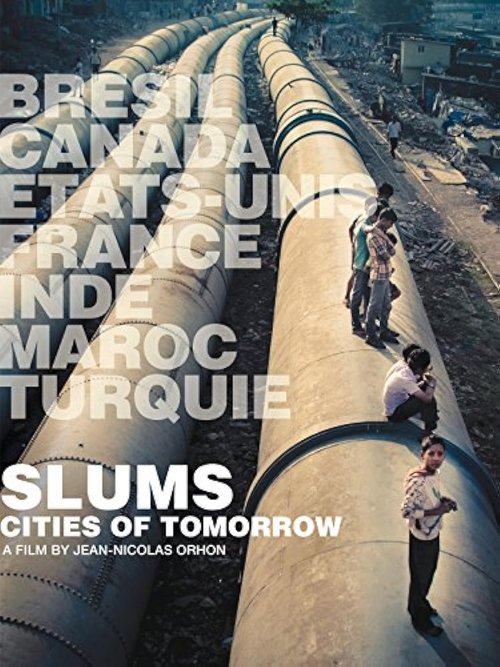
Slums: Cities of Tomorrow
One billion people on our planet—one in six—live in shantytowns, slums or squats. Slums: Cities of Tomorrow challenges conventional thinking to propose that slums are in fact the solution, not the problem, to urban overcrowding caused by the massive migration of people to cities. (Lynne Fernie, HotDocs)

Great Homes of Rochester
Travel through the streets of Rochester and you’ll find some extraordinary architecture. From California bungalows to English Tudors, French colonials to Victorians, the Flour City is home to so many beautiful dwellings. WXXI takes you on a private tour inside some of these exquisite house in Great Homes of Rochester.
Streaming IPTV FAQ
Can I watch this title through IPTV?
Availability depends on your IPTV provider and the rights included in your subscription. This page uses TMDB data for discovery and does not host video content.