
Watch White Jungle in streaming IPTV
White Jungle
Overview
It is year 2011 and the government still talks of economic growth through medical care under the table. In reality, common people cannot afford to go to a hospital. They are nothing but extra casts in a promotional film for showing. The reality is a white jungle where medical care has become the market of extreme commercialization and doctors and patients are just too familiar with the physiology of jungle life. New rules and regulations must be practiced in this jungle. The film finds a solution by looking at medical care not as a personal means of production but community welfare.
Genres
Cast

Lee Myung-bak
Self (archive footage)

Sohn Suk-hee
Self (archive footage)
Similar titles
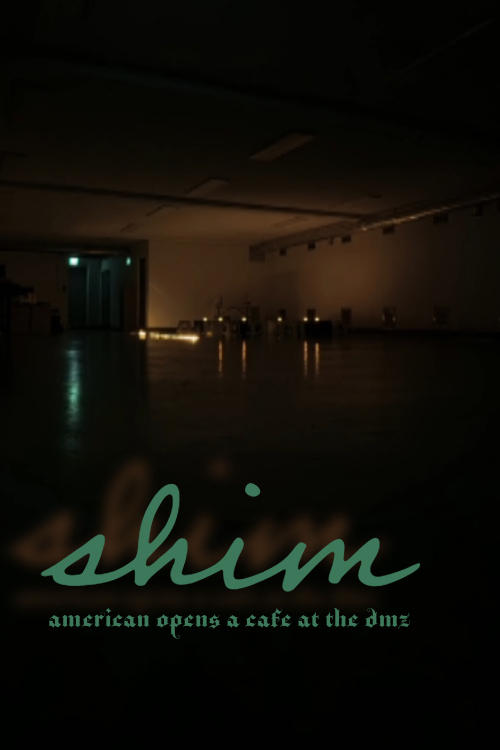
Shim: American Opens a Cafe at the DMZ
A cafe is growing, tucked in to the mountainside air raid shelter of the DMZ borderlands. A light light flickers, illuminating the past, present, and future. I'll see you at the DMZ! Shim was a free, one-day pop-up cafe staged in Yangji-ri village’s air raid shelter at the Korean DMZ. Referencing Korean cafe culture’s fixation on third place, the DMZ’s evolution from security tourism, to ecological peace tourism, and its repurposing as art production site, Shim attempts to intervene and align the past and present. Yangji-ri was one of many minbuk propaganda villages established by the Park Chung Hee regime in the 1960s to showcase the farming bounty and prosperity of the south for a North Korean gaze. The village was formerly part of the Civilian Control Line (CCL) until 2013 when it was reterritorialized as a normal part of South Korea.

Goshawk - Soul of the Wind
A visually stunning portrait of one of nature's most agile and fearsome predators, the Goshawk. This secretive bird of prey can be hard to see in the UK, but reigns supreme in Korea's mountains.

Our Aotearoa
An animated documentary that speaks to immigrants' personal experiences living in Aotearoa, exploring themes of racism, discrimination, loss, loneliness, and maintaining cultural ties while living in another country.

K-Pop La déferlante coréenne
K-Pop La déferlante coréenne

The Truth Shall Not Sink with Sewol
A documentary on the South Korean ferry disaster that claimed the lives of more than 300 passengers in April, 2014.

K-Classics Generation
The film traces the career of some of the winners of this new generation nicknamed the "K-Classics Generation", including the 2 recent winners of the Queen Elisabeth Competition, the soprano Hwang Sumi and the violinist Lim Jiyoung. In Korea, where it all began, and in Germany where most of them have settled.

Open Shutters
While reporting on the rise of spy cam porn in South Korea, a crime that affects thousands each year, a journalist discovers that she too is being watched in her own home. She decides to speak out, joining a nationwide movement of women seeking protection from this frighteningly ubiquitous crime.

K-Hip-Hop, l'onde de choc sud-coréenne
K-Hip-Hop, l'onde de choc sud-coréenne

This Is the President
Why did Moon Jae-in, a human rights lawyer who hated politics, become president? During five years at the Blue House, why didn’t he use his power? Why did he just silently plant flowers while being sworn at by protesters? One by one, those who watched him reveal their hidden stories.
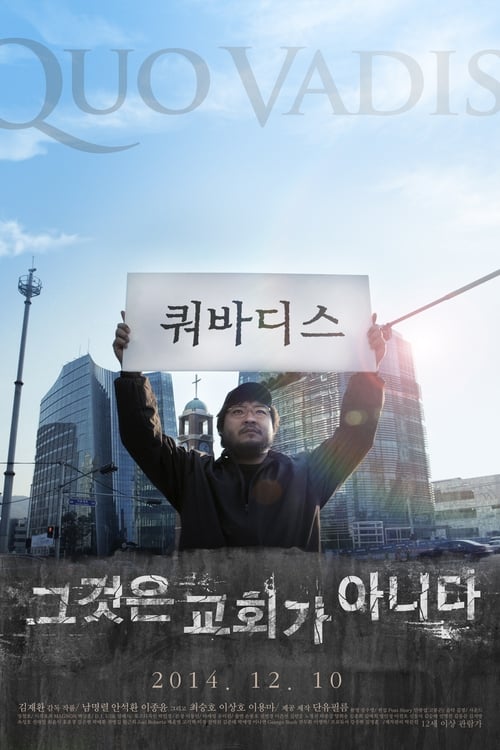
Quo Vadis
The church is the body of Christ. In Greece, the church embodied a philosophy. Then in Rome, it became an institution. Spreading throughout Europe, it became one with the culture there. Traveling to the US, the church became a business. And when it arrived in Korea, it became a conglomerate. The top five largest churches in the world are located in Korea. However, Christ has long been absent in the nation. So then, what is the church? Who is Jesus Christ? What kind of world do Christians want? If the church is indeed the body of Christ, then we must ask the questions point-blank. Where do we stand in all this? And where exactly are we headed? Korean churches—“Quo Vadis?” Korean society—“Quo Vadis?”
Streaming IPTV FAQ
Can I watch this title through IPTV?
Availability depends on your IPTV provider and the rights included in your subscription. This page uses TMDB data for discovery and does not host video content.