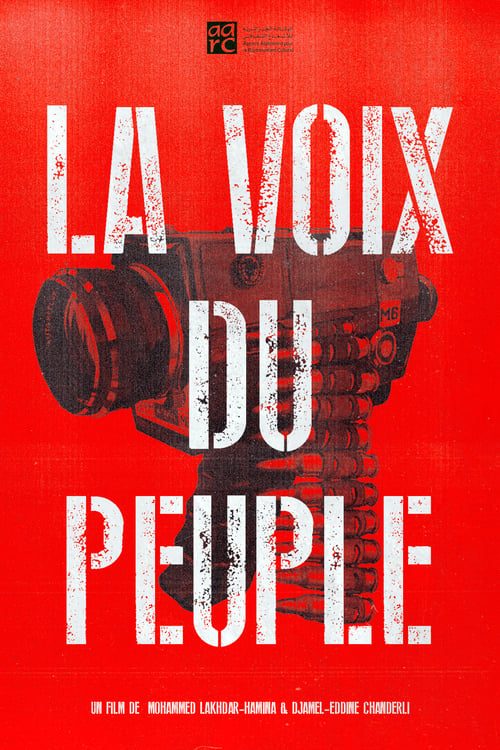
Watch Sawt Echaâb in streaming IPTV
Sawt Echaâb
Overview
“La Voix du Peuple,” composed of archival photographs by René Vauthier and others, exposes the root causes of the armed conflict of the Algerian resistance. Participating in a war of real images against French colonial propaganda, these images aimed to show the images that the occupier had censored or distorted, by showing the extortions of the French occupation army: torture, arrests and arbitrary executions, napalm bombings, roundabout fires, erasing entire villages from the map, etc. This is what the French media described as a “pacification campaign”.
Genres
Similar titles
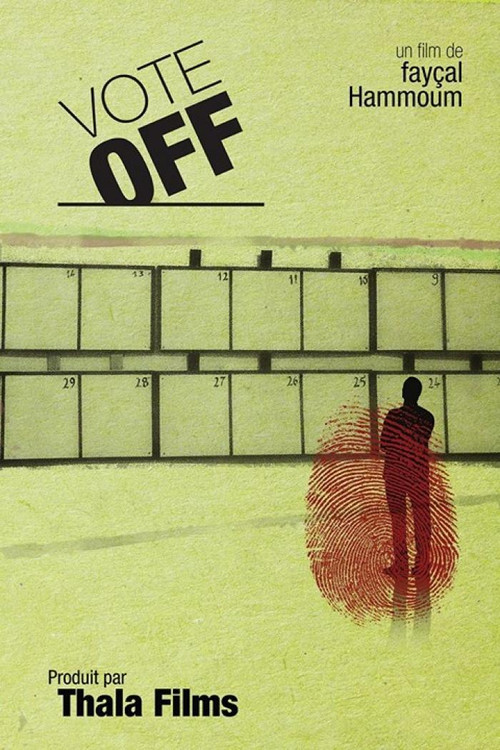
Vote off
Fayçal Hammoum recounts the 2014 presidential election through non-voting inhabitants of Algiers who, like him, are in their thirties. Be it Bilel, a grocer by default exposed to his customers’ political babbling, or the more politically-charged comments of Younes, a militant FM radio journalist opposed to President Bouteflika’s fourth term, the variety of conversational scenes in no way changes the determination not to vote for an old man who has been invisible for almost two years. The rappers Omar and Brahim are as bereft of hope and voter’s cards as the Tellek webradio DJ, since “the match is fixed”. Moving away from his focus on this subject to film their daily life, the filmmaker draws the portrait of a generation who, as Bilal says with poignant simplicity, “just wants to live
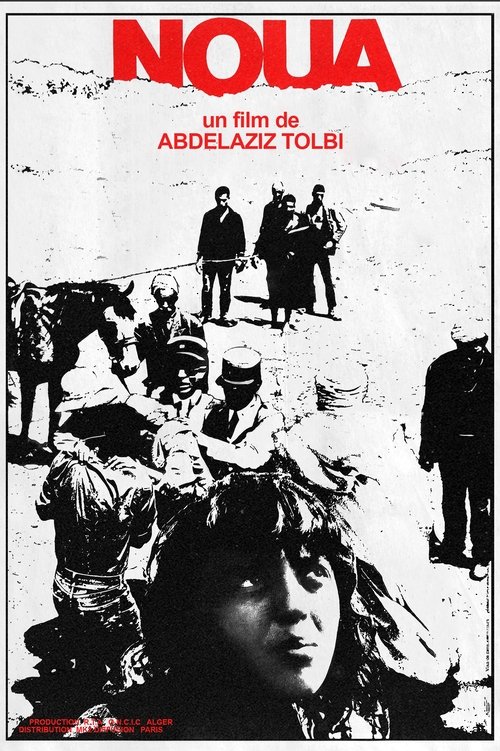
Noua
In Algeria in 1954, in a village in the Aurès region, poverty reigns over peasants enslaved by colonial administrators and Algerian landowners. Noua, in love with the son of a peasant dispossessed of his land, must be sold to a wealthy landowner.
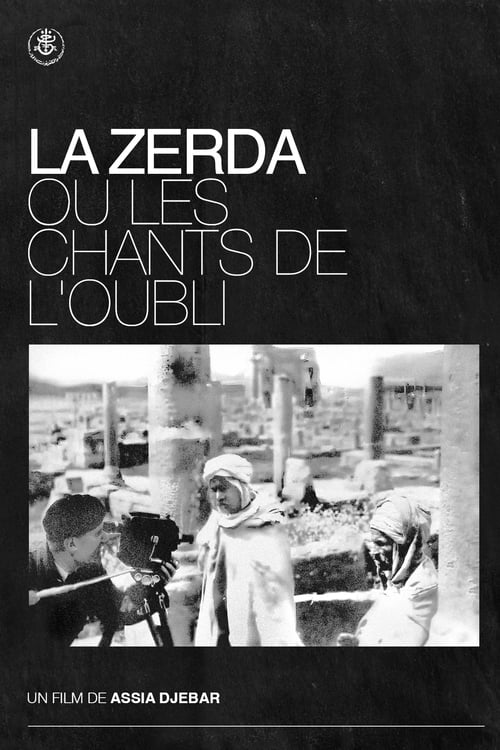
The Zerda or the Songs of Forgetting
“La Zerda and the songs of oblivion” (1982) is one of only two films made by the Algerian novelist Assia Djebar, with “La Nouba des femmes du mont Chenoua” (1977). Powerful poetic essay based on archives, in which Assia Djebar – in collaboration with the poet Malek Alloula and the composer Ahmed Essyad – deconstructs the French colonial propaganda of the Pathé-Gaumont newsreels from 1912 to 1942, to reveal the signs of revolt among the subjugated North African population. Through the reassembly of these propaganda images, Djebar recovers the history of the Zerda ceremonies, suggesting that the power and mysticism of this tradition were obliterated and erased by the predatory voyeurism of the colonial gaze. This very gaze is thus subverted and a hidden tradition of resistance and struggle is revealed, against any exoticizing and orientalist temptation.

Kamel Hamadi, Ger Yenzizen
Portrait of the Algerian singer and composer Kamal Hamadi (husband of the singer Noura). Performer, musician, conductor, lyricist, author and composer, he is considered today as the witness par excellence of Algerian artistic action of the 20th century. The film received the Golden Olivier for best documentary 2010 at the Tizi-Ouzou Amazigh Film Festival in Algeria.
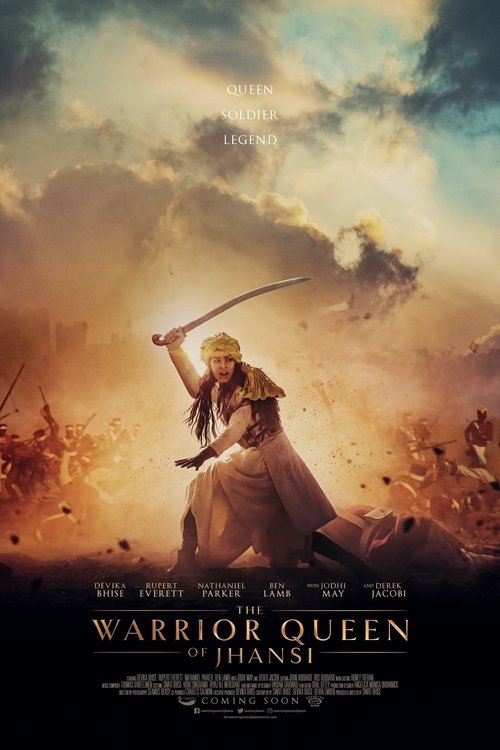
The Warrior Queen of Jhansi
The Warrior Queen of Jhansi tells the true story of Lakshmibai, the historic Queen of Jhansi who fiercely led her army against the British East India Company in the mutiny of 1857. From Queen Elizabeth to Queen Victoria, two-and- a half-centuries of East India Company rule will be reversed by its attempt to crush India’s Warrior Queen. Lakshmibai is known as one of the most prominent figures within the independence movement of India. The passion to free her province from colonial rule led this young woman to become one of the greatest generals of the Indian army, and to go down in history for her bravery, strategic acumen, and as a force to reckon with by the East India Company and the British Raj. The Warrior Queen of Jhansi is the story of the woman who lived and fought for the freedom of her people.

Fort Algiers
In northwest Africa, a tribal leader tries to stir up a rebellion against the ruling powers.

The Honour of the Tribe
Like every year in Zitouna, a bear handler passes by. With his creature, he comes to challenge the small community. And like every year, it is Slimane El Mabrouk who defends the honor of the tribe. But this time, he dies, leaving two orphans, Omar and Ourida. Robbed of their inheritance, the children will grow up alone. The years pass, the French army settles in, and with it, the war. Mysteriously, one day, after the murder of a French legionnaire, Omar disappears into the bush, while his sister dies in childbirth. Omar will return to the village, much later, once independence has been acquired, as a representative of power and with this enigmatic formula: "You must know that the Revolution has not forgotten you". Personal revenge? Sincere desire to bring progress and modernity? ... The inhabitants of Zitouna, upset in their ancestral way of life, will not be long in having an answer to their questions.
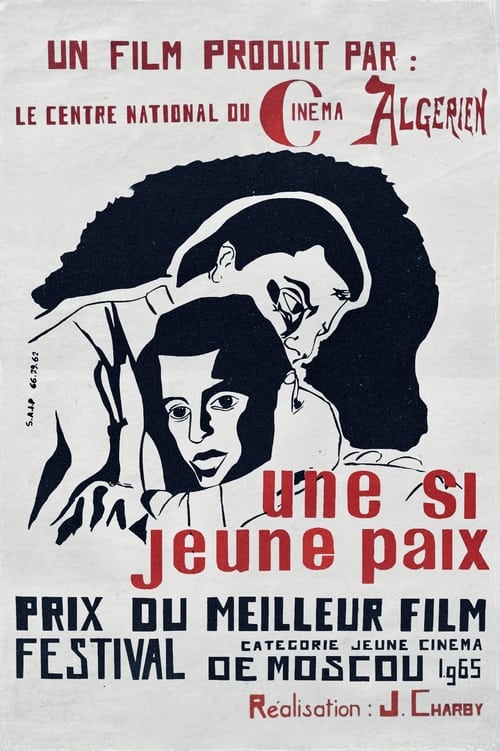
So Young a Peace
The first fictional feature film produced in Algeria after independence, this film addresses one of the most worrying problems: that of childhood. Children, freedom regained, do not yet know how to play “at peace”, they naturally play “at war”.
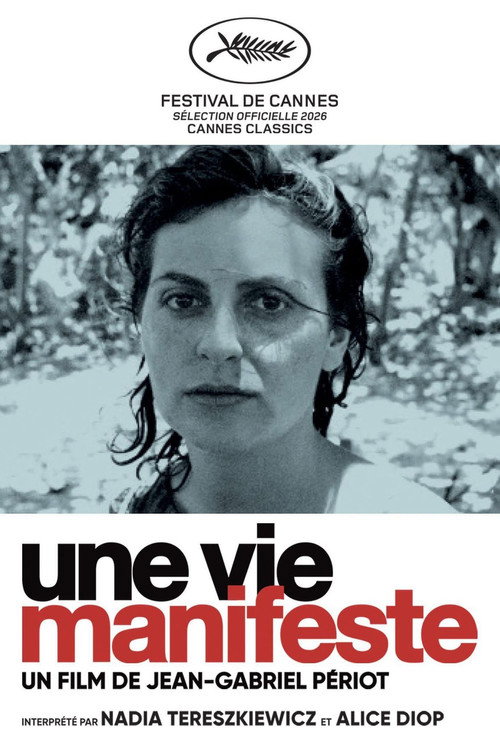
A Life, A Manifesto
The life of Michèle Firk — a trailblazing French journalist, film critic, aspiring director and communist activist involved in various liberation struggles in the second half of the 20th century — as told by narrator Alice Diop, modern day French director.

In the Footsteps of Frantz Fanon
Who was Frantz Fanon, the author of Wretched of the Earth and Black Skin, White Masks, this Pan-African thinker and psychiatrist engaged in anti-colonialist struggles? Born in Martinique, Frantz Fanon was not yet 20 years old when he landed, weapons in hand, on the beaches of Provence in August 1944 with thousands of soldiers from "Free France", most of whom had come from Africa, to free the country from Nazi occupation. He became a psychiatrist and ten years later joined the Algerians in their fight for independence. Died at the age of 36, he left behind a major work on the relationships of domination between the colonized and the colonizers, on the roots of racism and the emergence of a thought of a Third World in search of freedom. 60 years after his death, the film follows in the footsteps of Frantz Fanon, alongside those who knew him, to rediscover this exceptional man.
Streaming IPTV FAQ
Can I watch this title through IPTV?
Availability depends on your IPTV provider and the rights included in your subscription. This page uses TMDB data for discovery and does not host video content.