
Overview
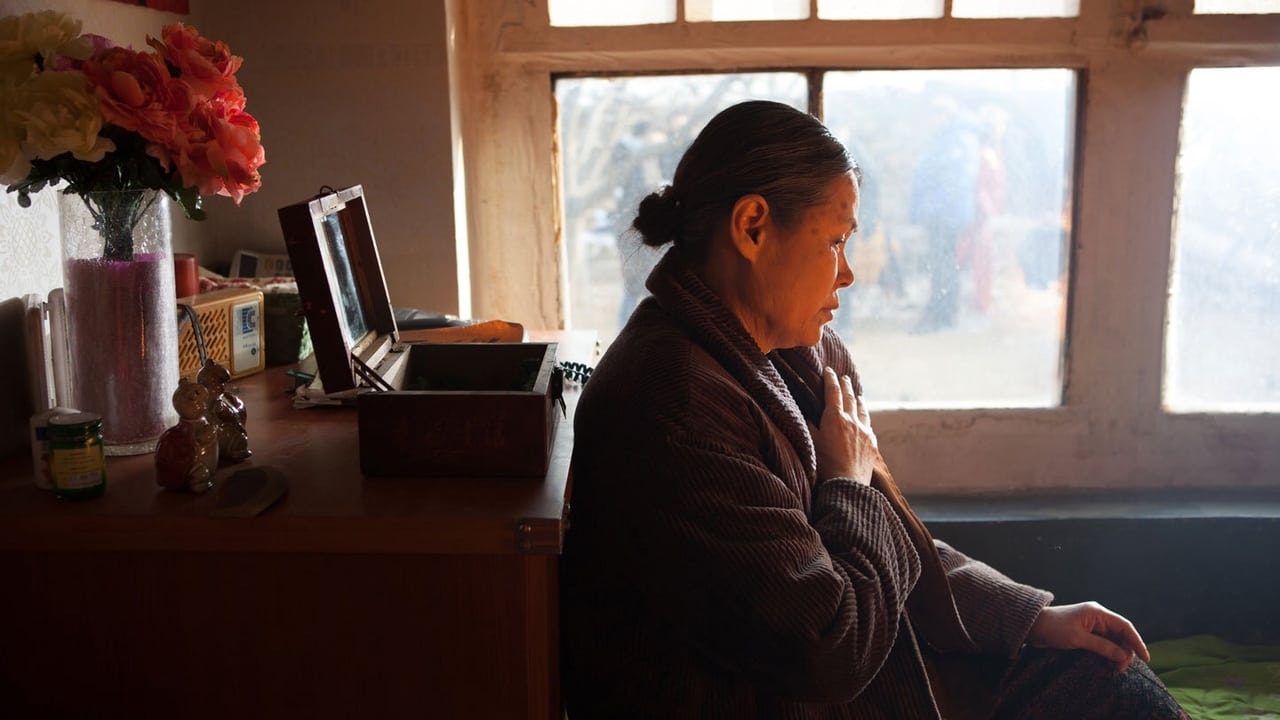
From the Japanese Occupation a 'comfort woman' returns from China an old woman. At the end of the war she can't return home and spends the next 65 years living as an alien in a foreign country. Even to her own granddaughter she seems to be losing her mind. She only wants to go back to Korea.
Genres
Cast

Jo An
Hyang-ok

Kim Min-sang
Deok-soo

Noh Young-hak
Lee Yeong-joon

Ji Dae-han
Cheon Tae-soon

Yoo Ra-seong
Manager Goo
Similar titles
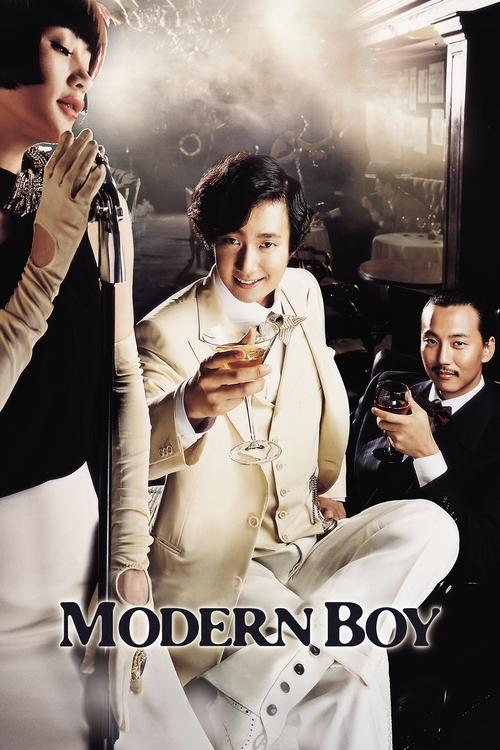
Modern Boy
During the Japanese occupation, a Korean modern boy, who wants to fit in with the Japanese, falls in love with a Korean freedom fighter.

Man of Will
Young Kim Chang-soo is placed behind bars, charged with murdering a Japanese person who took part in Empress Myeongseong's assassination. In prison, Kim Chang-soo sees how Koreans are persecuted and grows into a fighter for Korean independence.
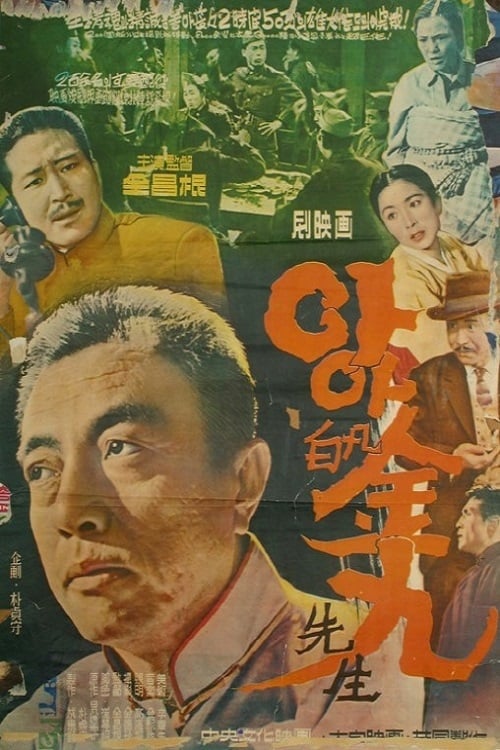
Ah! Baekbeom Kim Ku
Kim Chang-su, who participated in the Donghak Movement, escapes to Manchuria after being chased by the Japanese army, finally making his way home. Angered by the assassination of Empress Myeong-seong, he murders a Japanese lieutenant and is sent to jail. He escapes from prison turns his focus on the democratic movement by teaching civilians and organizing Sinminheo (a democratic organization), even changing his name to 'Kim Gu.' After he is imprisoned again, he gets out on parole and goes to China, where he participates in establishing a provisional government from which he can direct the anti-Japanese struggle. Kim Gu goes on to play a part in Yun Bong-gil's deeds in Shanghai, the events at Hongkou Park, the encounter with Jiang Jish, and the establishment of the Korean National Army, and leads the struggle for Korea's independence with warm fraternal love and clear national spirit. When Korea is liberated in August 15, 1945, he returns back to his native land.

I Can Speak
A grumpy old woman befriends a young civil servant and learns English from him. She then reveals to him her shocking past.
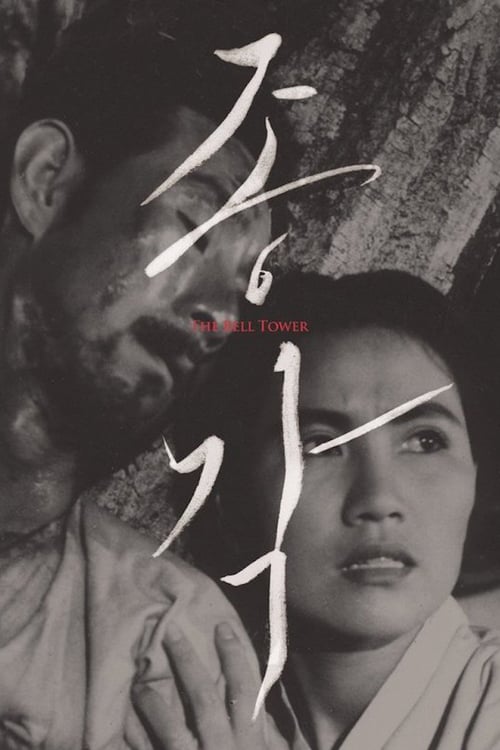
The Bell Tower
An elderly bell maker reminisces about his life filled with tragedy.
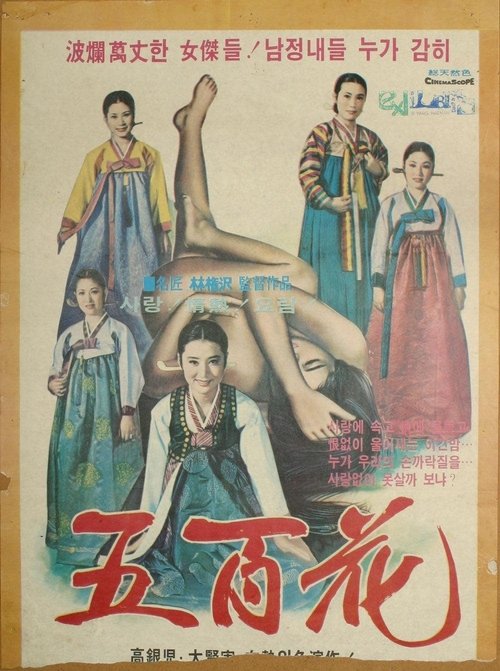
Five Hostesses for the Resistance
A patriot Park No-Hun is dispatched by Shanghai Provisional Government for Independence to assassinate members of the House of Council. In this situation Young-Kuk, brother of Hyeon-Ju who is a kisaeng of Myeong Wol Kwan, is jailed and Choi Chil-Yong, an inspector of Japanese Higher Police Department, is in agony of difficulties between Korea and Japan. Shin Yun-Il, a member of the council falls in love with a kisaeng whose name is Jeong-Mi. All of these are going their way under the influence of phases of the times such as carrying out colonial policies and each of them is linked complicatedly and causes troubles. After all their efforts concentrated on Independence of Korea, and Park No-Hun carried out his mission with help of 5 kisaengs of Myeong Wol Kwan. Finally he leaves for Shanghai with them.
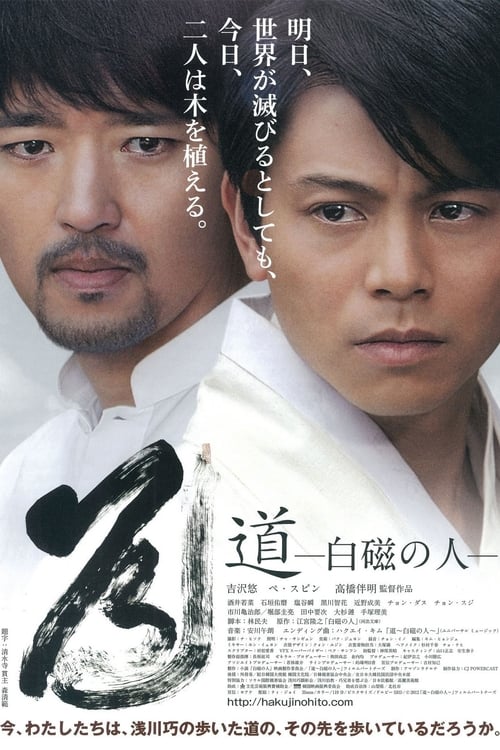
The Way: Man of the White Porcelain
The movie is based on the true story of Takumi Asakawa - a Japanese man who entered Korea during the country's occupation by Japan. Takumi Asakawa became captivated by Korean culture and championed the value of such items as the traditional white Korean porcelain.
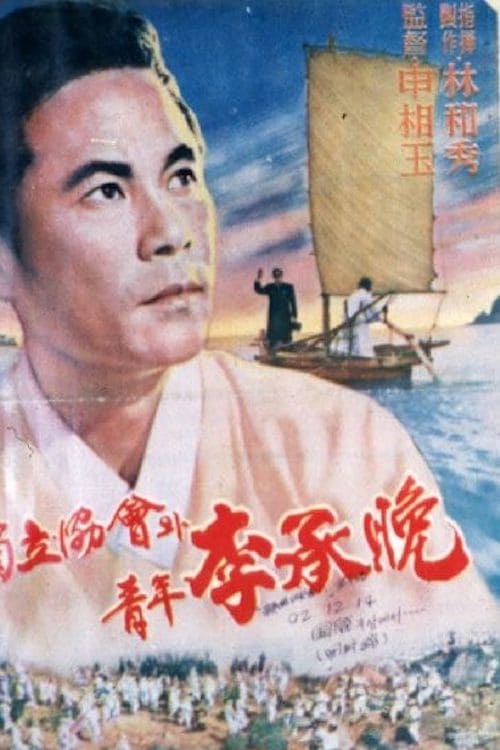
Independence Association and Young Rhee Syngman
The life of Lee Seung-man, a freedom fighter who struggled to liberate Korea from Japanese rule.

Kaneko Fumiko
The 1923 Kanto earthquake sparks fears of a Korean uprising in Japan. Many anti-colonial and leftist activists are arrested, including Fumiko and her partner Yeol. Accused of a plot to assassinate the Crown Prince, they are sentenced to death, later reduced to life in prison.

Anarchist from Colony
Based on the life of the Korean anarchist Park Yeol, the film shows his struggle to counter the massacre of Koreans by the government during the 1923 great Kanto earthquake, focusing on his activities as the leader of the anti-Japanese organization Bulryeongsa and his relationship with Japanese comrade Fumiko Kaneko.
Streaming IPTV FAQ
Can I watch this title through IPTV?
Availability depends on your IPTV provider and the rights included in your subscription. This page uses TMDB data for discovery and does not host video content.