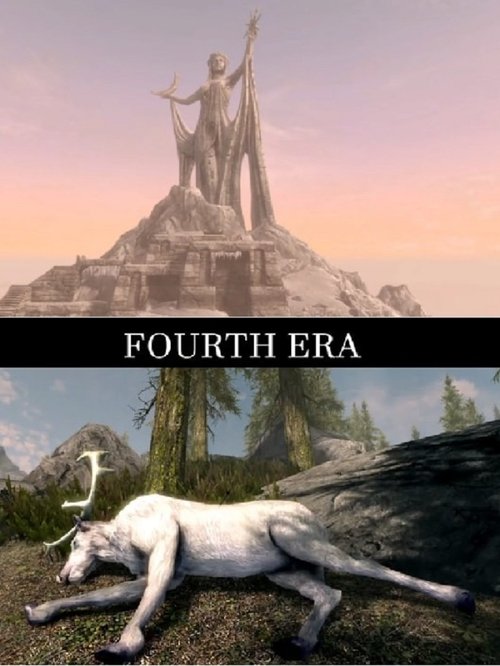
Watch Fourth Era in streaming IPTV
Fourth Era
Overview
In fifteen shots, all but one running for 90 seconds, the audio-visual landscapes of a video game are examined as its day-night cycle mimics passing time, and the radiant AI of its characters creates the illusion of free will.
Genres
Similar titles
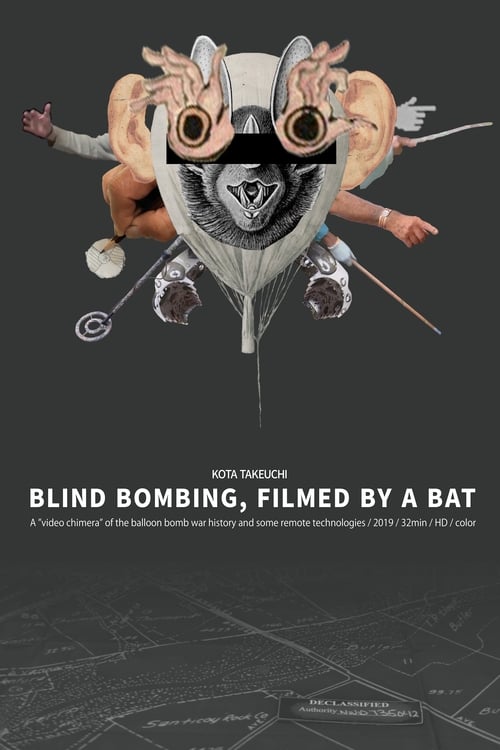
Blind Bombing, Filmed by a Bat
During WWII, the Japanese army developed experimental balloons able to cross the Pacific Ocean and reach the West Coast of North America in 3-6 days. Armed with explosives, they were given the code name fu-go, or fusen bakudan (“fire balloons,” or balloon bombs) in an attempt to instill a culture of fear like that caused by the far more deadly American firebombing of Japanese cities. The U.S. responded by enacting a censorship campaign, requesting newspapers avoid reports of fu-go landings or sightings. Living near the remains of a fu-go launch site in Fukushima Prefecture, Takeuchi mimics their flight take-off using a drone camera, and, traveling to North America, follows their arrival across the shoreline and rural landscapes, using a bat’s echolocation as narrative device to place fu-go and Fukushima as echos across history.
365 Day Project
This exhibition focuses on Jonas Mekas’ 365 Day Project, a succession of films and videos in calendar form. Every day as of January 1st, 2007 and for an entire year, as indicated in the title, a large public (the artist's friends, as well as unknowns) were invited to view a diary of short films of various lengths (from one to twenty minutes) on the Internet. A movie was posted each day, adding to the previously posted pieces, resulting altogether in nearly thirty-eight hours of moving images.
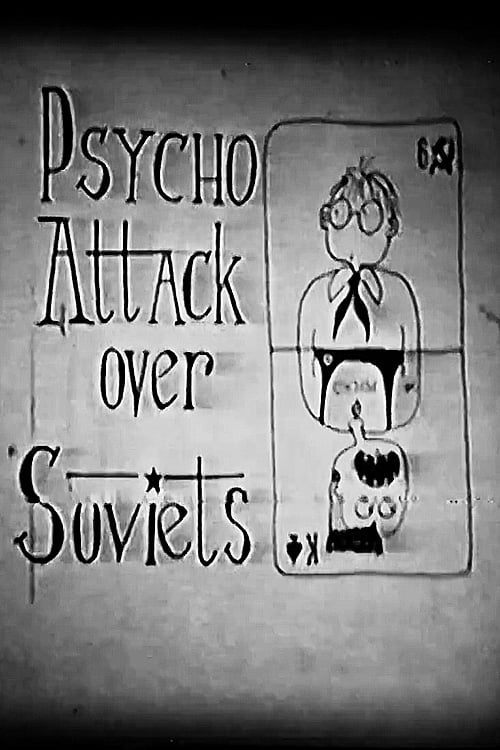
Psycho Attack Over Soviets
Experimental film directed by Dmitry Frolov, shot in the midst of perestroika in the USSR. February 1991. Starring the drummer for the MEANTRAITORS Vladislav Lyashchuk - a very peculiar musician played without bass drums and Toms.
Time Is Working Around Rotterdam
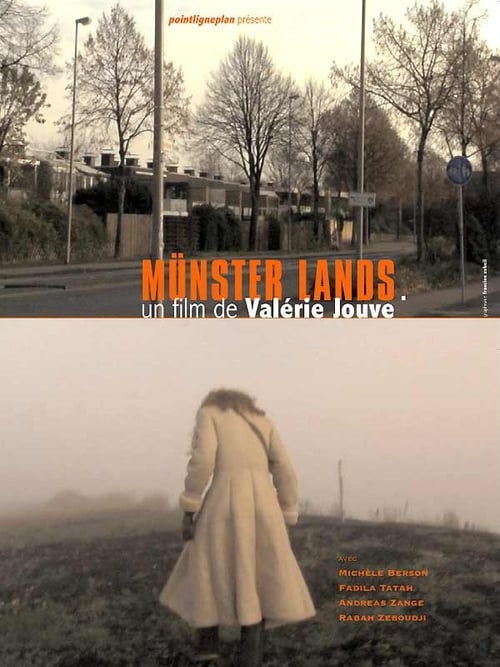
In this short film, the French photographer, Valérie Jouve explores the way in which an era constructs countless layers of time and space without feeling any need to establish connections between them. The film is about time or, more precisely, the various times that today make up our everyday life.
Blood of Two
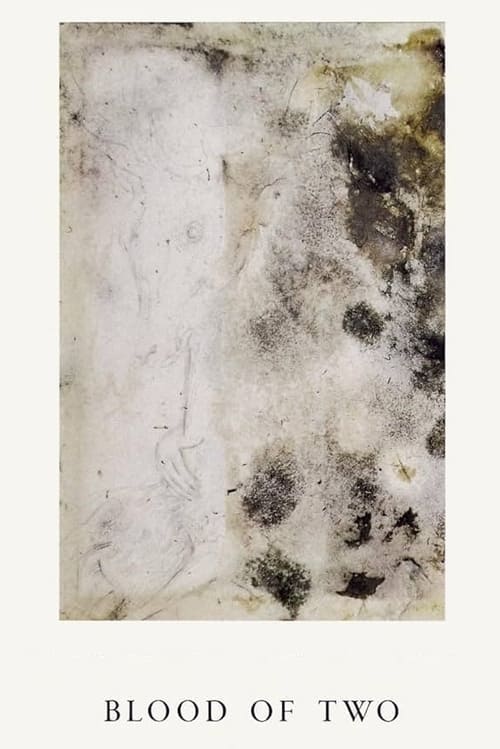
The first collaboration between Matthew Barney & Elizabeth Peyton, Blood of Two is a unique, site-specific work that draws its references from Hydra itself – the surrounding environment, animals, humans, and local traditions are all part of the project in equal measure. Blood of Two centers on the former function of the Slaughterhouse and the customs of Hydra to establish connections between paganism and religion, ancient and modern, the ritualistic and familiar. As much as its conflicted terms strive for balance and fusion, it is Blood of Two’s greater resistance to these impulses, its failure to surrender unconditionally to them that ultimately counts, as a network of overlaps and crisscrosses.
The Cow's Drama
Drama, from the Greek, to do, act, or perform. A composition in which a story is related by means of dialogue and action and is represented with accompanying gesture, costume and scenery, as in real life, a play. The simplest story; a cow in a field, a day passes, articulated by a sequence of simple actions. Another day passes and the actions only vary with the chance events that make one day different from any other. Between the days three traditional songs about work, love and death are sung. These are stories too, but of generalisation, metaphor and myth, whereas the cow's drama follows only the surface pattern of events, the specific.
Memento
Experimental short film about car wreckage and automobile safety.
A Study in Wet
Montage of water related subjects.
Fragments 83
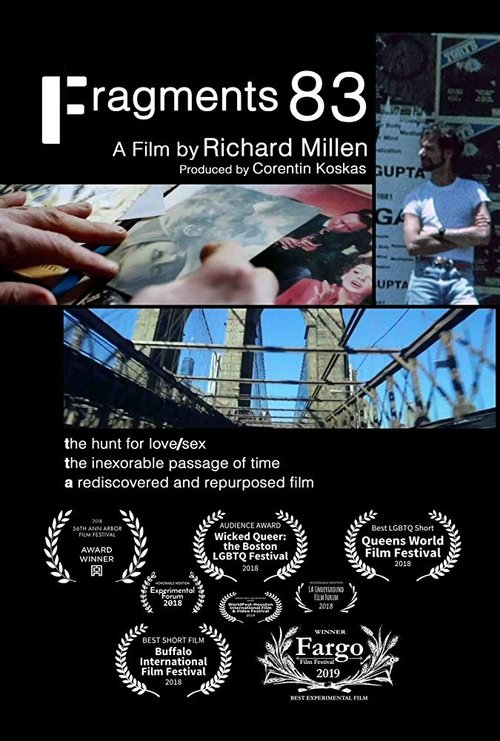
Fragments 83 rediscovers—and repurposes—Richard Millen 1983 experimental film If You Can’t Be with the One You Love, shot in Brooklyn and the West Village in the early days of the AIDS epidemic. The resulting documentary explores the hunt for sex/love, the joy of making cinema, and the inexorable passage of time.
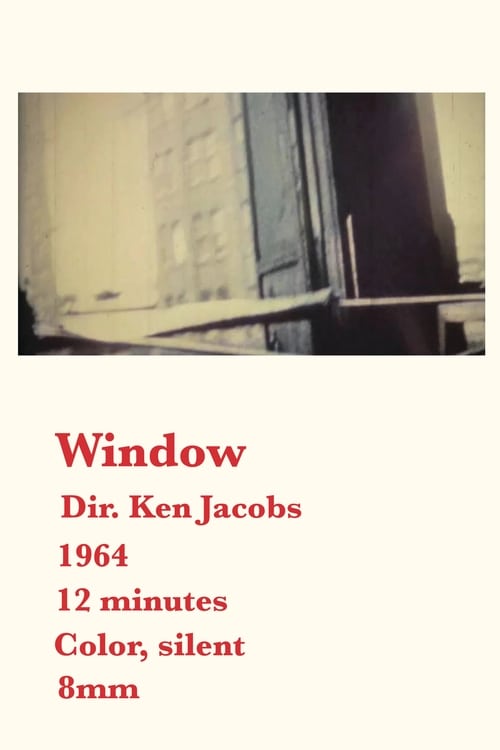
Window
The moving camera shapes the screen image with great purposefulness, using the frame of a window as fulcrum upon which to wheel about the exterior scene. The zoom lens rips, pulling depth planes apart and slapping them together, contracting and expanding in concurrence with camera movements to impart a terrific apparent-motion to the complex of the object-forms pictured on the horizontal-vertical screen, its axis steadied by the audience's sense of gravity. The camera's movements in being transferred to objects tend also to be greatly magnified (instead of the camera the adjacent building turns). About four years of studying the window-complex preceded the afternoon of actual shooting (a true instance of cinematic action-painting). The film exists as it came out of the camera barring one mechanically necessary mid-reel splice
Streaming IPTV FAQ
Can I watch this title through IPTV?
Availability depends on your IPTV provider and the rights included in your subscription. This page uses TMDB data for discovery and does not host video content.