Watch May Day (Newsreel #29) in streaming IPTV
May Day (Newsreel #29)
Overview
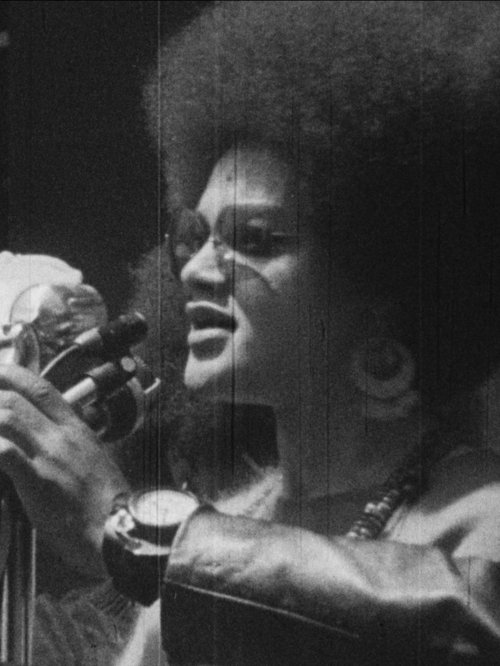
This film documents a rally in San Francisco sponsored by the Black Panther Party. Kathleen Cleaver, Bobby Seale, and other speakers addressed thousands of protesters demanding more rights for African Americans and calling for the release of Huey P. Newton.
Genres
Cast
Huey P. Newton
Kathleen Cleaver
Bobby Seale
Charles Garry
Similar titles
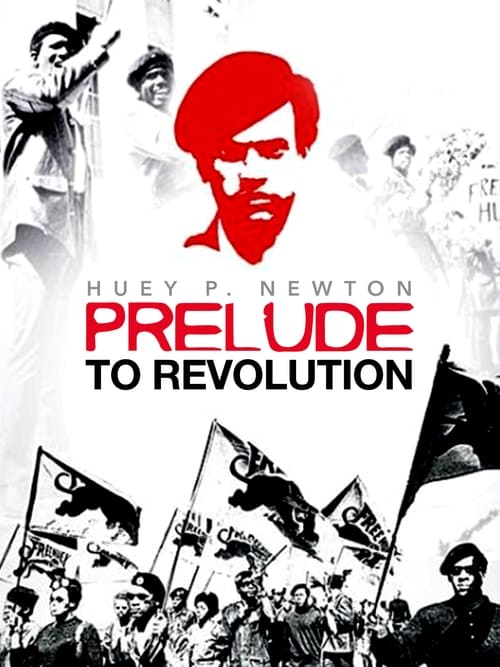
Huey P. Newton: Prelude to Revolution
Hear the inside story of Huey Newton and the Black Panthers with this documentary that examines their efforts to promote the rights of African Americans as well as the organization's violent tactics, including the killing of a police officer. The film features a rare jailhouse interview with Newton discussing the role of revolution and civil disobedience, plus footage of several Panthers' bullet-riddled homes following police raids.
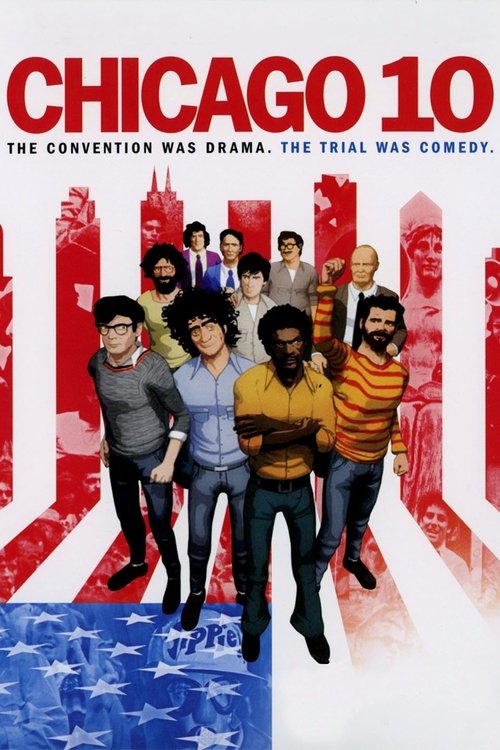
Chicago 10
Archival footage, animation and music are used to look back at the eight anti-war protesters who were put on trial following the 1968 Democratic National Convention.
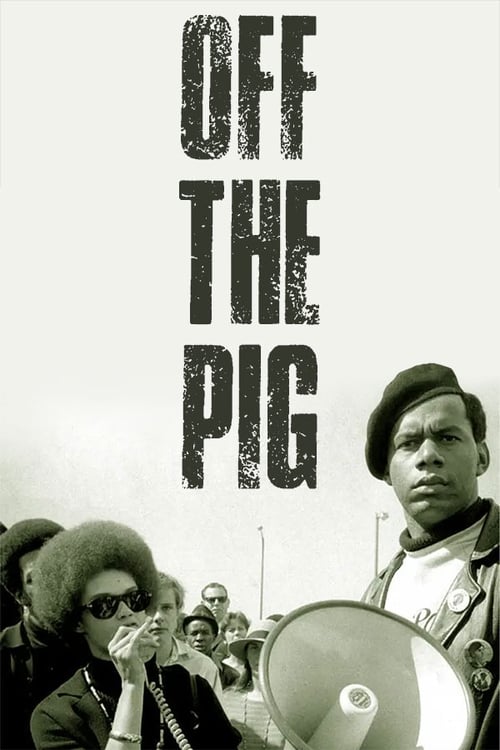
Off the Pig (Newsreel #19)
A compelling document of the Black Panther Party leadership in 1967. This film contains a prison interview with Minister of Defense Huey P. Newton as well as an interview with Minister of Information Eldridge Cleaver, footage of the aftermath of the police assault against the Los Angeles Chapter headquarters, demonstrations to free Huey at Hutton Memorial Park and the Alameda County Court House and a recitation of the party's Ten-Point Platform by co-founder Bobby Seale. Newsreel's 19th, and one of their most widely distributed films, it was originally released as "Off the Pig," but has since seen release under the name Black Panther. This short film features drawings from activist artist Emory Douglas.
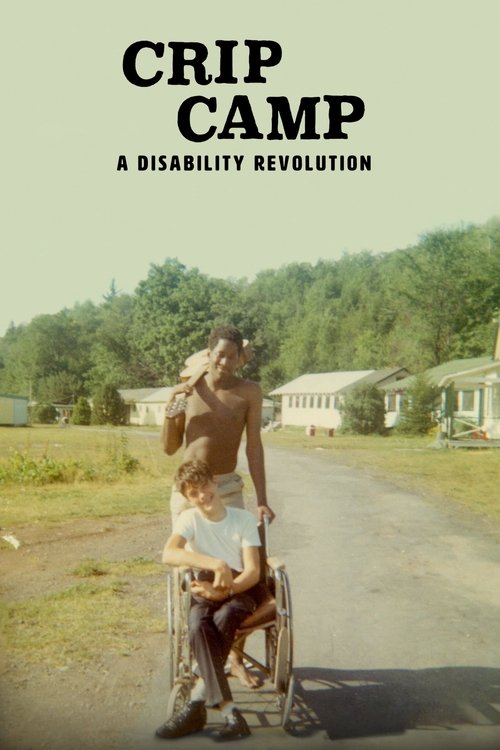
Crip Camp: A Disability Revolution
Down the road from Woodstock in the early 1970s, a revolution blossomed in a ramshackle summer camp for disabled teenagers, transforming their young lives and igniting a landmark movement.
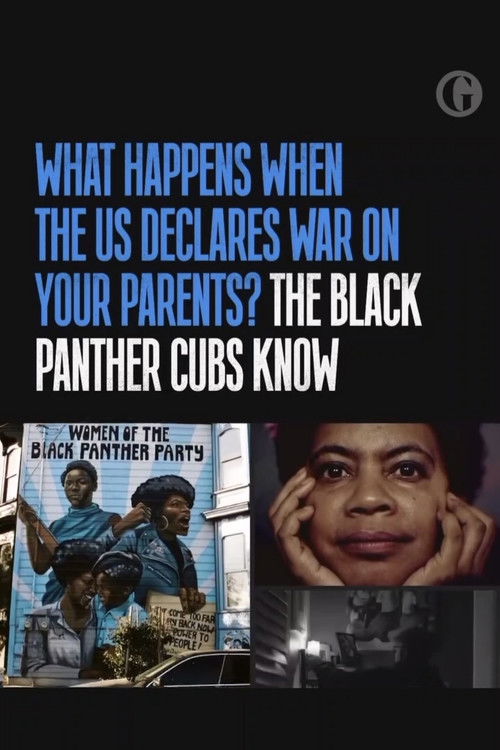
The Black Panther Cubs: when the revolution doesn't come
They are the children of the Black Panther party – the self-styled Panther cubs. Born into the 1970s revolutionary movement for Black equality and self-determination, they have lived in the shadows of a promised land that was never attained. We join them as they continue to wrestle, 50 years later, with the dichotomy of their extraordinary childhoods: the enormous pride and love it gave them as members of the Black Panther family, and the booming loss they endured – of parents, of security, and of the hope for radical change that did not materialise. That hope lives on in the cubs, and their reflections on America’s current crisis offers burning lessons for today.
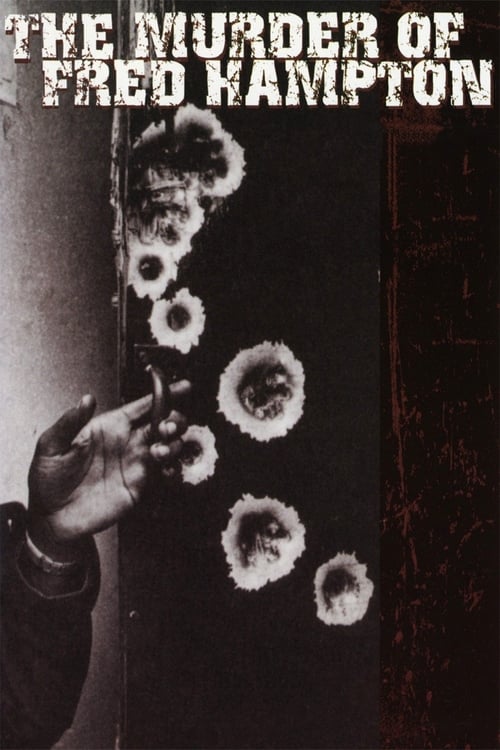
The Murder of Fred Hampton
Fred Hampton was the leader of the Illinois Chapter of the Black Panther Party. This film depicts his brutal murder by the Chicago police and its subsequent investigation, but also documents his activities in organizing the Chapter, his public speeches, and the programs he founded for children during the last eighteen months of his life.

Dope Is Death
The story of how Dr. Mutulu Shakur, stepfather of Tupac Shakur, along with the Black Panthers and the Young Lords, combined community health with radical politics to create the first acupuncture detoxification program in America in 1973 — a visionary project eventually deemed too dangerous to exist in America.
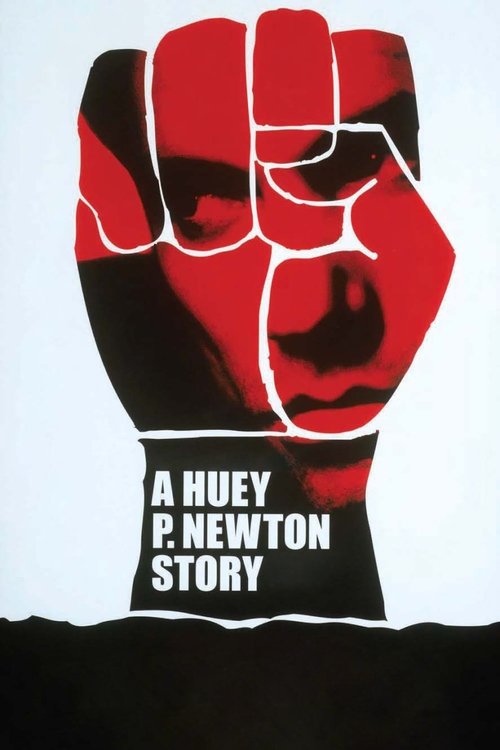
A Huey P. Newton Story
The story of how the radical Huey P. Newton developed the Black Panther Party based on his 10-point program for social reform.

Death of a Lion
A former leader in the Black Lion Party for International Solidarity shares his story of found family, loss, and transcendence. Shot over the course of two months, this short documentary provides a glimpse into the dynamics of modern American revolutionary movements. Jeremias' film captures a very brief, but important period of transition for the Black Panther Party in the 2020s.
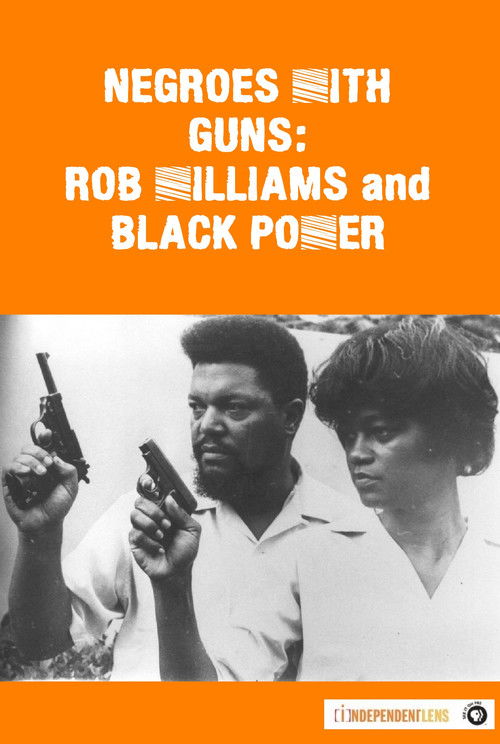
Negroes with Guns: Rob Williams and Black Power
Rob Williams was an African-American living in Monroe, North Carolina in the 1950s and 1960s. Living with injustice and oppression, many African-Americans advocated a non-violent resistance. Williams took a different tack, urging the oppressed to take up arms. Williams was stripped of his rank as leader of the local NAACP chapter, but he continued to encourage local African-Americans to carry weapons as a means of self-defense. Wanted on a kidnapping charge, Williams and his wife fled to Cuba. His radio show Radio Free Dixie could be heard in some parts of the United States.
Streaming IPTV FAQ
Can I watch this title through IPTV?
Availability depends on your IPTV provider and the rights included in your subscription. This page uses TMDB data for discovery and does not host video content.