Watch Where Did the Swallows Go? in streaming IPTV
Where Did the Swallows Go?
climate change
Overview
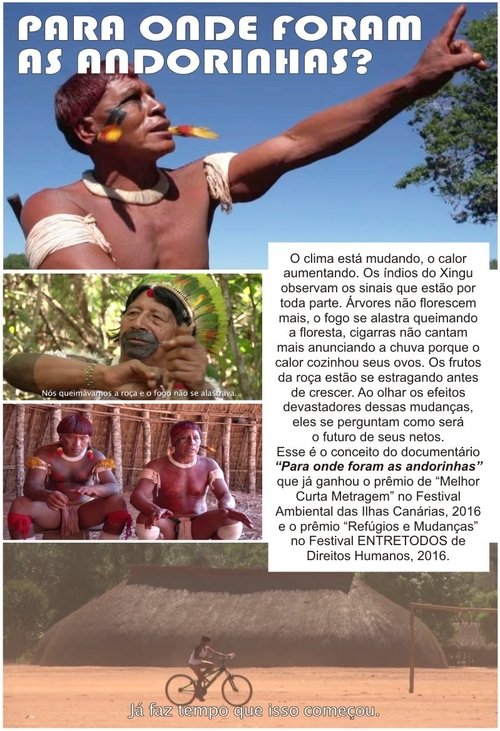
The climate is changing, and the Indigenous peoples of the Xingu Indigenous Park, in Mato Grosso, Brazil, are reading the signs everywhere. Trees no longer bloom when they should, fires spread through the forest, the cicadas that once announced the rains have fallen silent, and crops spoil before they ripen. The swallows that used to herald the rainy season no longer appear in the sky. Surrounded by decades of deforestation for soy, corn and cattle, the Xingu peoples look at these devastating changes and wonder what kind of future awaits their grandchildren.
Genres
Similar titles
Sirocco
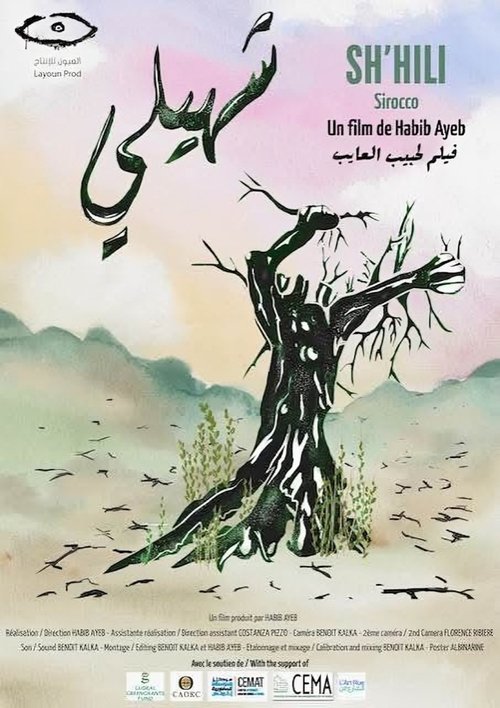
Filmed in France, Italy, Tunisia, and Morocco, Sh'hili addresses the multiple dimensions of climate change from a politically engaged perspective, advocating for climate justice, the protection of the most vulnerable populations, the preservation of life, and resistance against all forms of domination, including those linked to colonial and neo-colonial policies. Sh'hili aims to be a modest contribution to the collective resistance against climate change and its ecological, social, and political consequences.
Heïdi's Ice
Heïdi's Ice
Panagsana
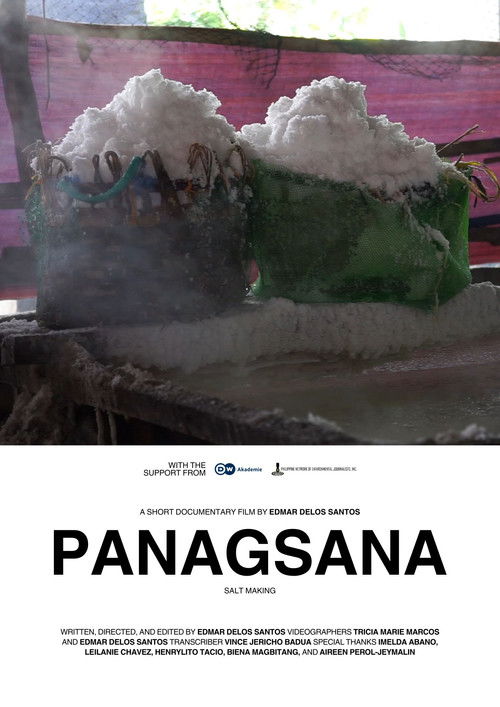
Melba, a traditional salt maker from Pasuquin, Ilocos Norte, Philippines, struggles to sustain their heirloom craft due to the effects of climate change. The salt-making process, which relies heavily on dry weather, is threatened by increasingly unpredictable weather patterns in the Philippines, putting their tradition at risk.
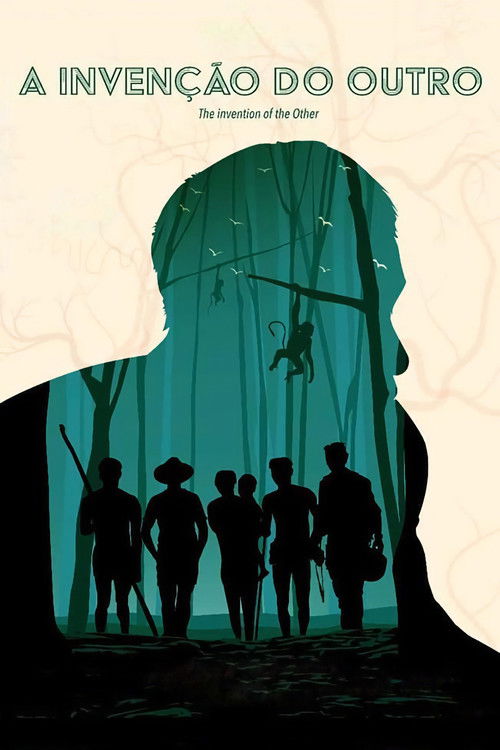
The Invention of the Other
In 2019, the Brazilian government coordinates the largest and riskiest expedition of the last decades into the Amazon rainforest to search for a group of isolated indigenous people in vulnerability and promote their first contact with non-indigenous. Bruno Pereira, who would later be murdered in the same region and turned into an international symbol in favor of the indigenous and the forest, leads the expedition.

MARABOU
MARABOU
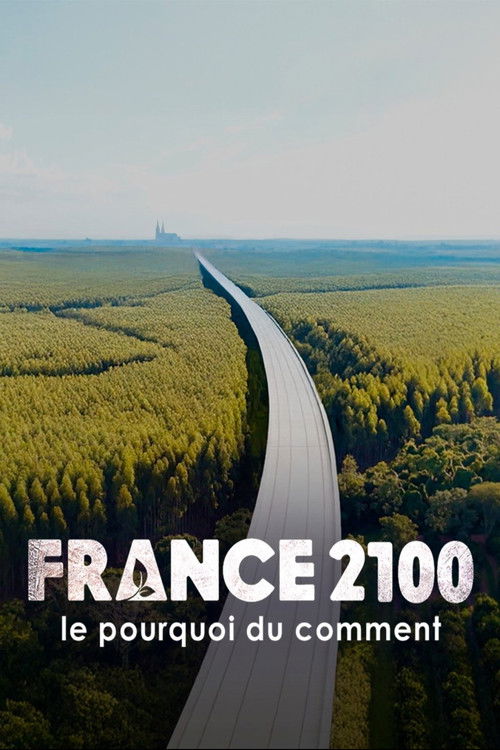
France 2100, le pourquoi du comment
France 2100, le pourquoi du comment

France, il était une fois demain
France, il était une fois demain
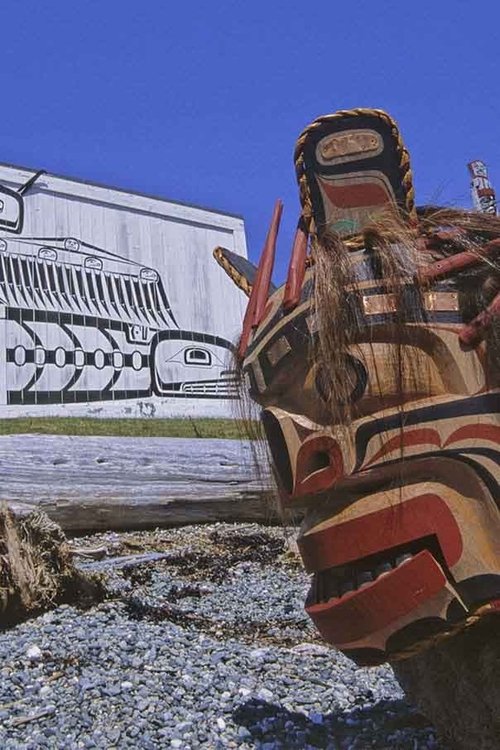
Box of Treasures
In 1921 the Kwakiut'l people of Alert Bay, British Columbia, held their last secret potlatch. In 1980 at Alert Bay, the U'mista Cultural Centre (U'mista means "something of great value that has come back") opened its doors to receive and house the cultural treasures which were seized decades earlier and only then returned to the people. The center also took up activities such as recording stories told by elders so that some part of the past would always be alive and teaching children about their heritage in order to make them feel connected to their ancestors. This film documents the cultural significance of these events for today's Kwakiut'l people. It is an eloquent testimony to the persistence and complexity of Kwakiut'l society and to the struggle for redefining cultural identity for them.
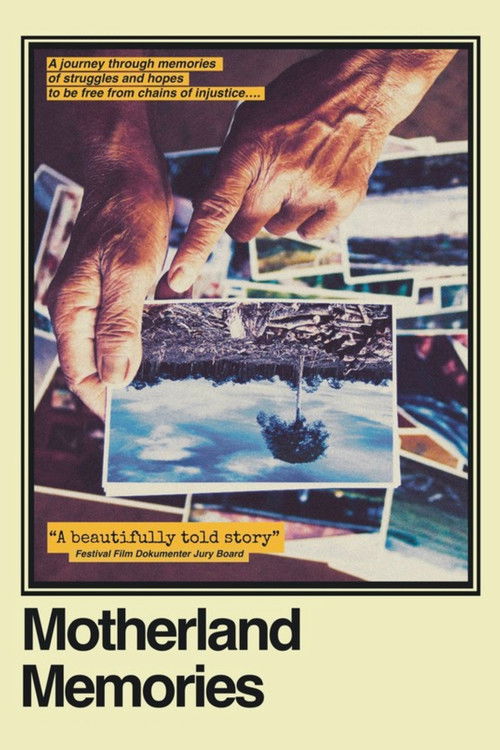
Motherland Memories
Ompung Putra Boru, a sixties indigenous Batak woman from Humbang Hasundutan, North Sumatra, retraces her life stories through photographs that interweave her past and present as a wife, mother, healer and indigenous land defender in two neighboring villages. Her multi-layered stories are juxtaposed with visual records of everyday life in the two villages, where people’s living space is still increasingly threatened by a giant pulp expansion.
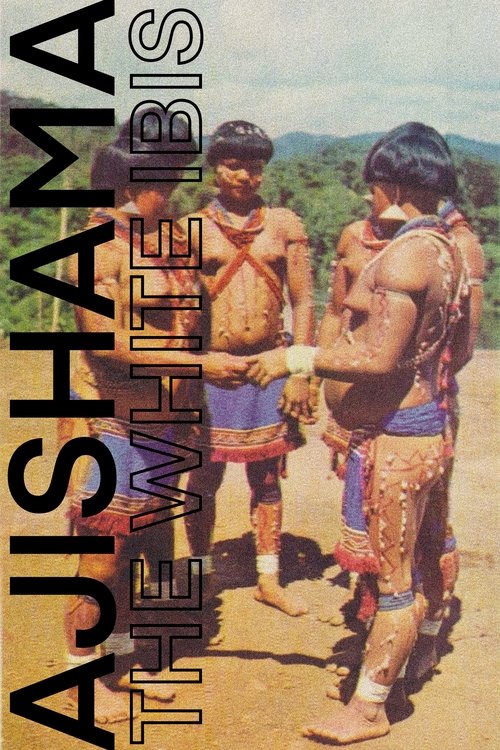
Ajishama, The White Ibis
Shot in Venezuela over a 30-year period, this documentary depicts the life and work of José Maria Korta, the controversial Jesuit Missionary with the Ye'kwana people of the Amazon.
Streaming IPTV FAQ
Can I watch this title through IPTV?
Availability depends on your IPTV provider and the rights included in your subscription. This page uses TMDB data for discovery and does not host video content.