Watch Savagely, silence in streaming IPTV
Savagely, silence
Overview
December 21, 2015. The image of a fox was captured by a camera inside the unit 2 building at Fukushima No.1 nuclear power plant... A film-essay about contemporary Japan in the aftermath of March 2011 earthquake.
Genres
Similar titles
Windscale 1957: The Nuclear Winter
In October 1957, one of the Windscale nuclear reactors caught fire. It was the world's first nuclear accident, attributed to the rush to build atomic weapons. This programme highlights the mistakes leading to a nuclear event which, 40 years on, still takes second place only to Chernobyl.
Radioactive: The Women of Three Mile Island
In this thrilling documentary, indomitable women fight back against the nuclear industry to expose one of the biggest cover-ups in US history: the 1979 Three Mile Island meltdown and its aftermath. The film reveals the never-before-told stories of four intrepid homemakers who take their case all the way to the Supreme Court, and a young female journalist who's caught in the radioactive crossfire.
Reflection
Eerie images of landscapes after the Fukushima nuclear disaster shot on black and white 8mm.
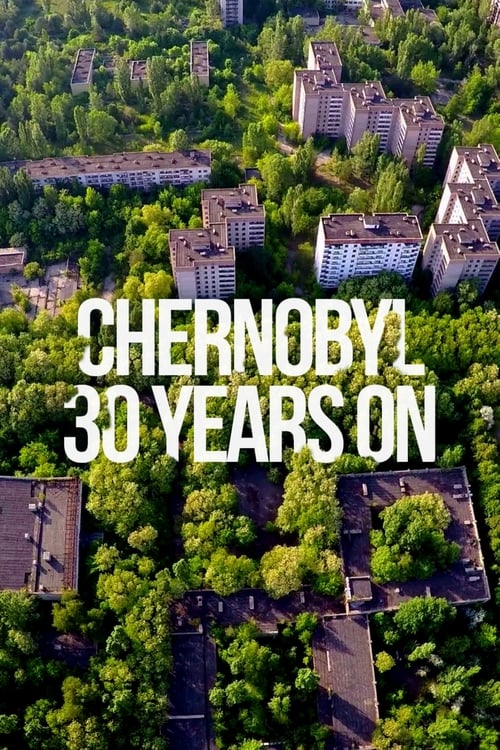
Chernobyl 30 Years On: Nuclear Heritage
Thirty years after the Chernobyl disaster, which occurred on the night of April 26, 1986, its causes and consequences are examined. In addition, a report on efforts to strengthen the structures covering the core of the nuclear plant in order to better protect the population and the environment is offered.

Chernobyl: The Last Battle of the USSR
Three decades after the nuclear explosion, almost everything has been said about this ecological and sanitary disaster that made Pripiat a part of History. How did the greatest industrial disaster change the course of History, disrupt global geopolitics and, directly or indirectly, redistribute the balances and power relations of the twentieth century? The world will never be the same again. By retracing the incredible battle waged by the Soviet Union against radiation, this film proposes to retrace and enlighten an extraordinary story, while exploring the historical stakes in the medium and long-term…
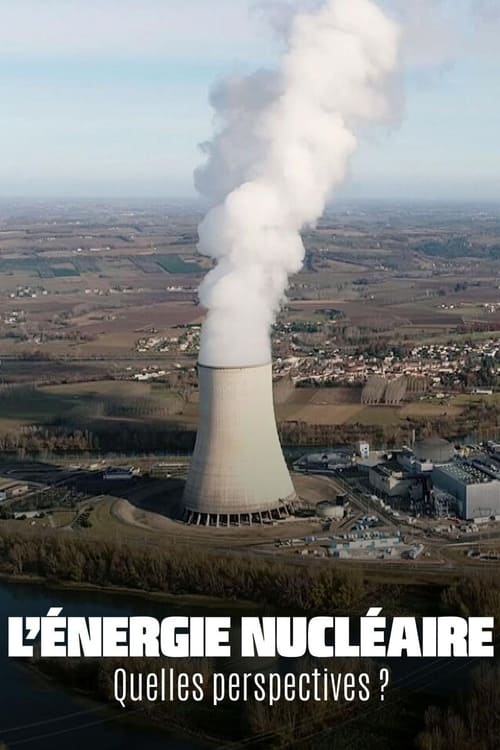
The Future of Nuclear Energy
Nuclear energy: a clean energy for the future or a risk for humanity? As the European Union has classed nuclear as a green energy, France is building new power plants whilst Germany is decommissioning them. An in depth look at the future of atomic energy in the coming decades.

Haru Wo Tsugeru Machi
A documentary about the people of Hirono, a city located 20 km away from the Fukushima Daiichi Nuclear Power Station. Immediately after the Great East Japan Earthquake, the whole town was forced to evacuate. In 2019, 80% of the population at the time of the earthquake is back in town.
Amateur's Riot
Amateur's Riot (Shirōto no ran) is a Japanese association of activists, committed to the living conditions of the poor people (binbōnin) in Tōkyō. The association was founded in 2005 by Matsumoto Hajime, Yamashita Hikaru, Futatsugi Shin, Mochitsuki Rui and Ogasawara Keita. The protagonists of Shiroto no Ran played an important role in the anti-nuclear demonstrations that appeared in response to the Fukushima nuclear catastrophe.
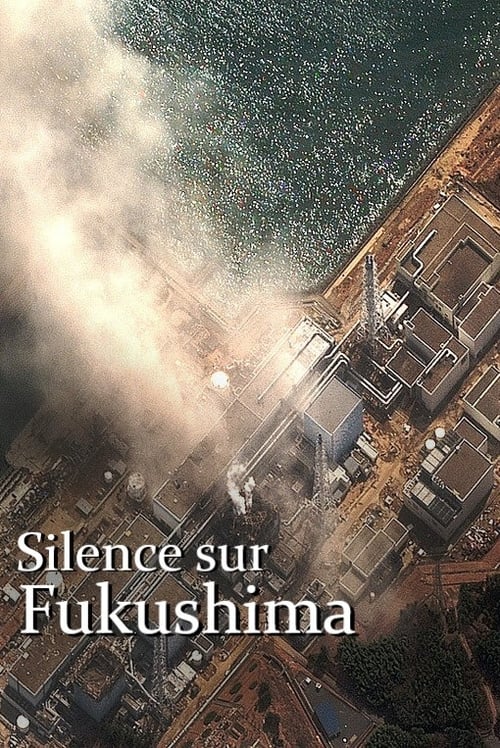
Silent Fukushima
Silent Fukushima
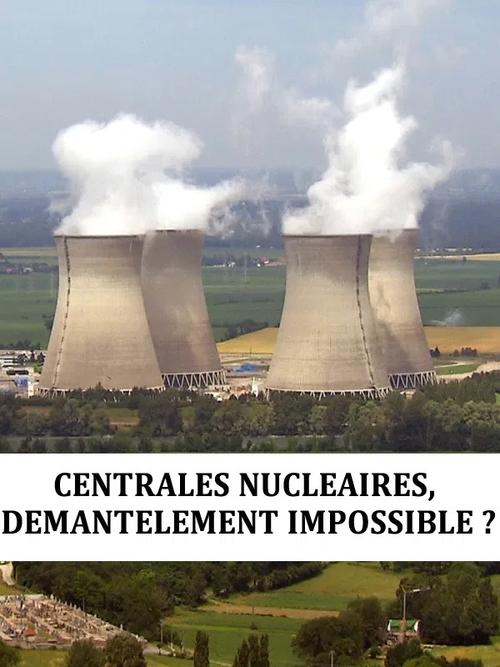
Centrales nucléaire : démantèlement impossible
Centrales nucléaire : démantèlement impossible
Streaming IPTV FAQ
Can I watch this title through IPTV?
Availability depends on your IPTV provider and the rights included in your subscription. This page uses TMDB data for discovery and does not host video content.