Watch If Trees Could Talk in streaming IPTV
If Trees Could Talk
Overview
Deniss is a Russian-speaking young man working at a fast food chain and spending his days in a small, gloomy apartment where all the things still remind him of his dead grandmother. Once a week he takes the stage, becoming a stand-up comedian. His jokes come from his life, which might be called dull as well as bleak, and, as he puts it, his ‘uninteresting biography’.
Genres
Cast
Deniss Lugovskojs
Self
Similar titles
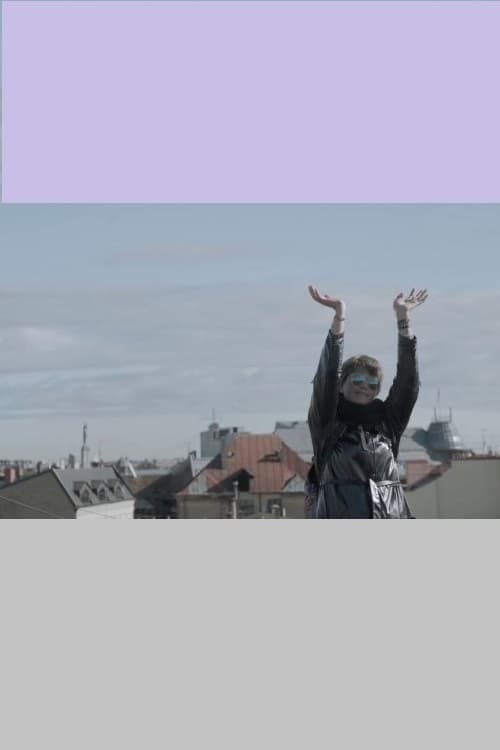
Wordsmiths
Vārdotājas (Wordsmiths) traces the recent rise of women's stand-up comedy in Latvia, but it is by no means just for laughs. Feelings of discomfort, shame, shock, are just some of the subjects tackled.
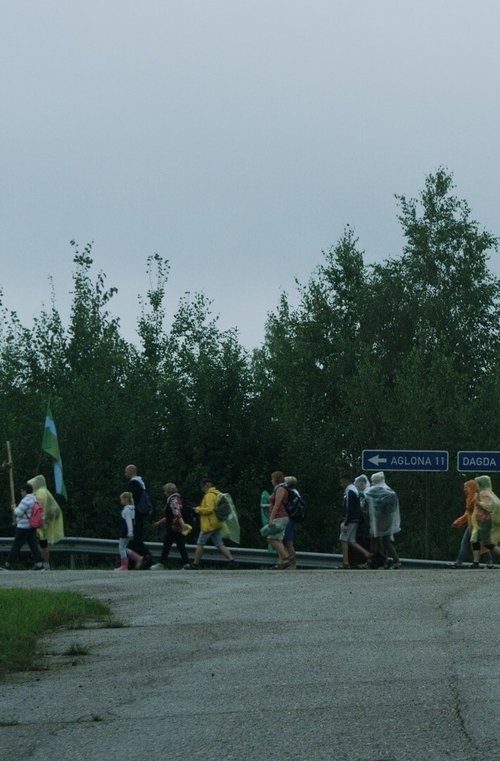
The Priest
"If a person doesn't go to church anymore, then the church should go to them," says Rinalds, a calm, smiling, young man with a good sense of humor. He is a priest from a small village in Latgale, Latvia's easternmost and poorest region, and the documentary Prīsters (The Priest) follows the routines of his daily life, his thoughts of life and religion and why he chose this path for himself.
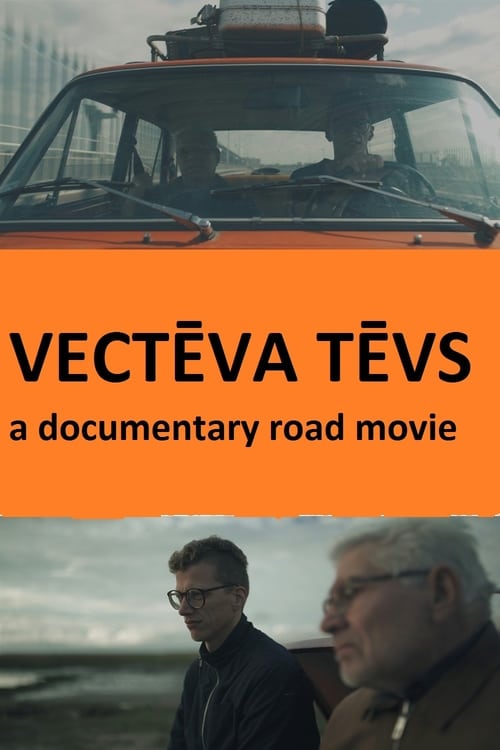
Grandfather's Father
In this film a young man and his curmudgeonly grandfather are going 1,800 km to northern Russia in an old Zhiguli car, hoping to find the grave of their great-grandfather, who was deported. The grandfather Andris is sceptic over the lofty quest, initiated by his grand-son, as it’s not known what awaits them at their destination. Andris thinks they won’t find anything and will come back to Latvia without ever learning what happened to his father. However ever-optimistic Kārlis wants to use the journey not only to find answers about the past but also become closer to his grandfather who raised him. They both lost their parents as children.

Anxious America
Four people suffering from various forms of clinical anxiety disorders tell us what it's like to live and work with this illness. They discuss the stigma attached to being anxious, and also how to cope with the symptoms using things like medication, supplements, self love and meditation. All of this in an endless search for anxiety relief.

Dépassements : ou annonce d'un meurtre qui n'aura jamais lieu
Dépassements : ou annonce d'un meurtre qui n'aura jamais lieu

L'anxiété, au 21e siècle
A film that mixes fiction and reality to talk about anxiety, a crucial subject today. The premise of the film is that psychological distress among young people has tripled since the beginning of the pandemic.

Therapy
The film follows a thirty-year-old man’s efforts to introduce radical changes in his own life: to start visiting a therapist and preparing for the demolition of his bragging childhood home. Story chronicles the troubled relationship between Mārtiņš and his mother, just as he is about to tear down his childhood home.

Hike '44
“Hike '44" is a personal story by director Lauris Abele and cinematographer Marcis Abele about how to maintain humanity when the world falls apart. The protagonist of the film, Melita Abele (89), retraces her refugee path from 1944, when, at the age of 14, she had to leave her home at the beginning of winter. Asking strangers for shelter, spend nights in the woods until she found refuge and warm hearts. Through the use of animation, the viewer will be guided through Melita's memories on a journey through recent and present-day Latvia until a series of events brings Melita to what she has been trying to accomplish for 75 years.

To Be Beautiful
The documentary explores issues of beauty and acceptance in a culture increasingly saturated with idealised and unattainable ideals of femininity. It is a story about the world of young girls in today's Latvia, based on conversations about girls' attitudes towards the world and their place in it.

Lords of Riga
Lords of Riga allows to see an insight into a passionate subculture of bike couriers. Weaving their way through the urban traffic, they have become silent and sometimes unnoticed witnesses of everyday life in Riga as well as examples of our modern-day society. What is freedom to this bunch of rebellious messengers and where it ends?
Streaming IPTV FAQ
Can I watch this title through IPTV?
Availability depends on your IPTV provider and the rights included in your subscription. This page uses TMDB data for discovery and does not host video content.