Watch The Hitler–Stalin Pact in streaming IPTV
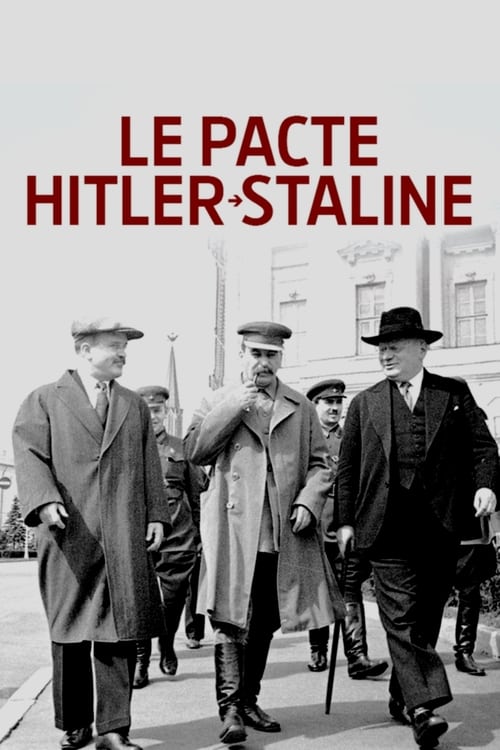
The Hitler–Stalin Pact
Overview
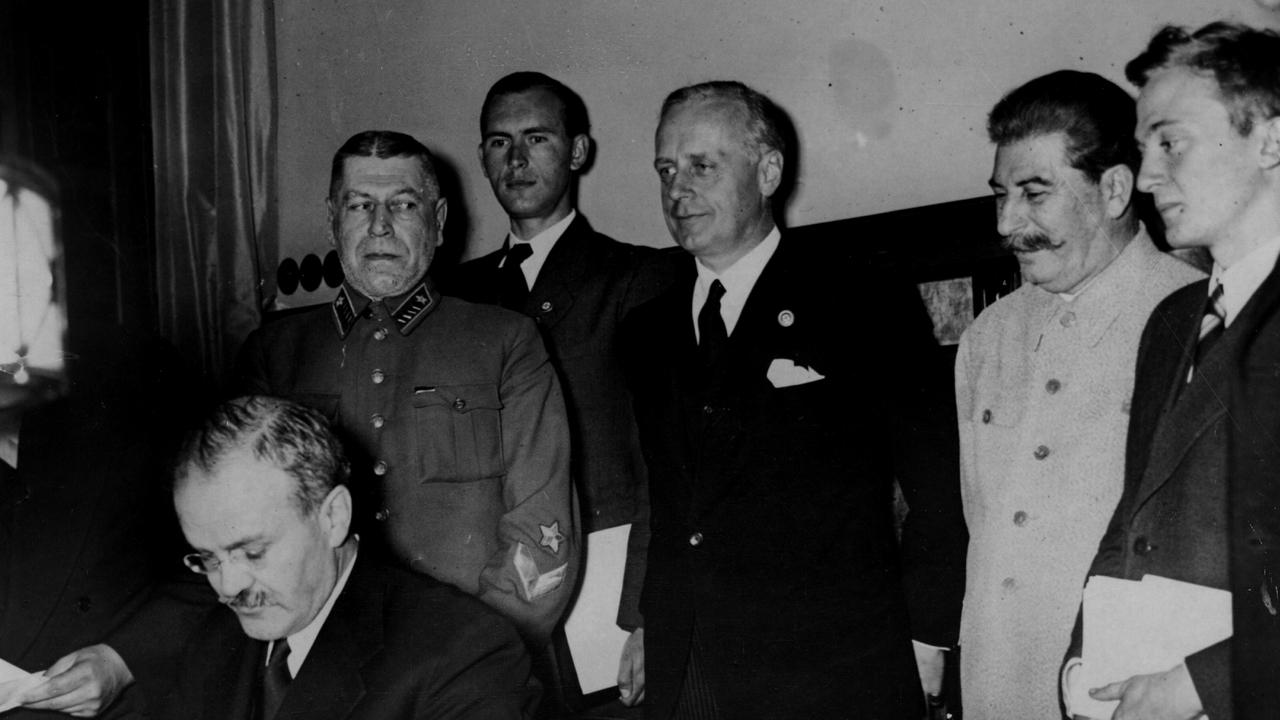
How could Hitler and Stalin, sworn ideological enemies, come to a secret pact in 1939? The captivating and detailed story of the diplomatic fiasco that led to the signing of the Nazi-Soviet pact and its devastating consequences.
Genres
Cast
Hervé Pierre
Narrator (voice)
Ivan Maisky
Self (archive footage) (uncredited)
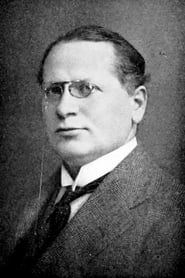
Maxim Litvinov
Self (archive footage) (uncredited)
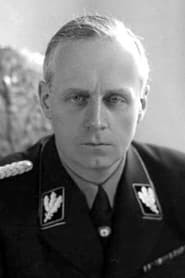
Joachim von Ribbentrop
Self (archive footage) (uncredited)
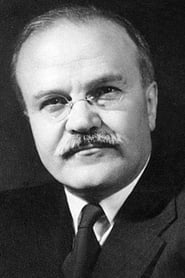
Vyacheslav Molotov
Self (archive footage) (uncredited)
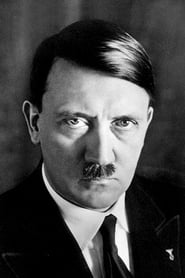
Adolf Hitler
Self (archive footage) (uncredited)
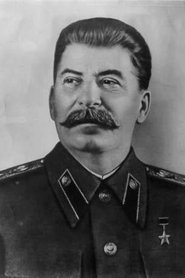
Joseph Stalin
Self (archive footage) (uncredited)
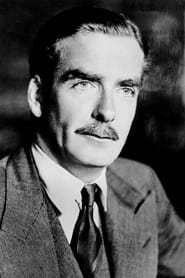
Anthony Eden
Self (archive footage) (uncredited)
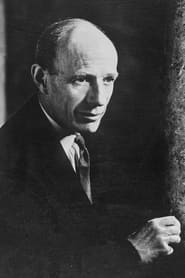
Edward Wood, Earl of Halifax
Self (archive footage) (uncredited)
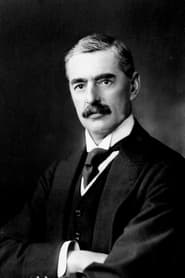
Neville Chamberlain
Self (archive footage) (uncredited)
Similar titles

Ordinary Men: The "Forgotten Holocaust"
Six million Jews died during World War II, both in the extermination camps and murdered by the mobile commandos of the Einsatzgruppen and police battalions, whose members shot men, women and children, day after day, obediently, as if it were a normal job, a fact that is hardly known today. Who were these men and how could they commit such crimes?
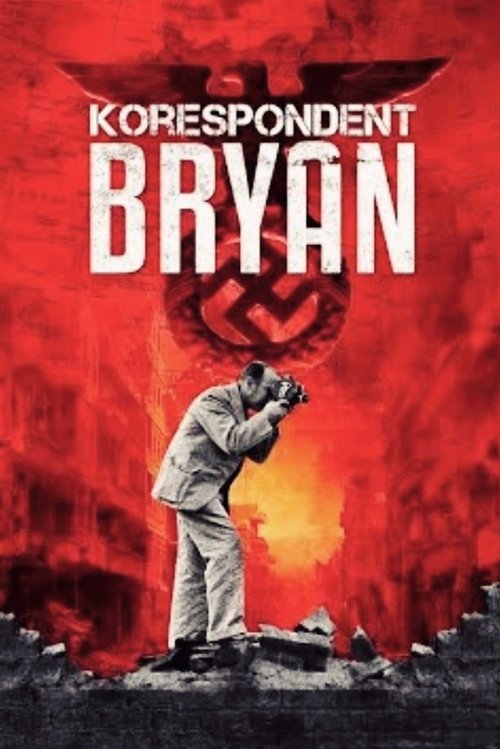
Korespondent Bryan
The film is based solely on footage shot in Warsaw in 1939 by Julien Hequembourg Bryan. This American filmmaker and photographer documented life in Poland, the Soviet Union and Nazi Germany between 1935 and 1939. Following the outbreak of the Second World War, he arrived in Warsaw, where he shot a number of films documenting the city under siege, and is said to be the only foreign correspondent in the Polish capital at the time. Bryan also took the first colour photographs of wartime Warsaw.
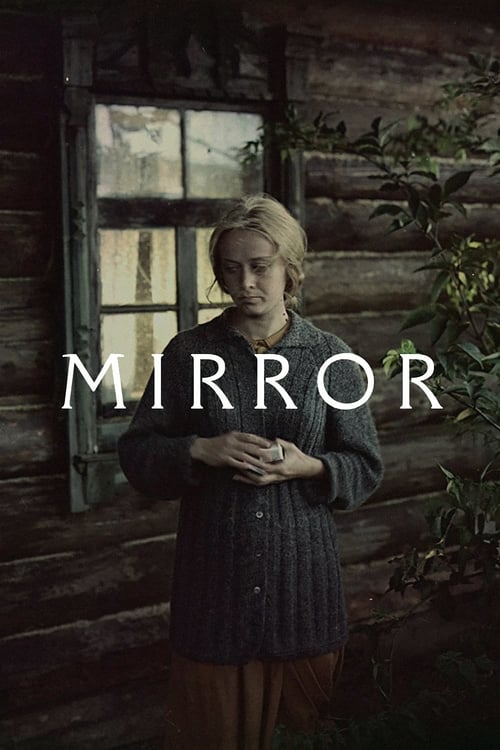
Mirror
A dying man in his forties recalls his childhood, his mother, the war and personal moments that tell of and juxtapose pivotal moments in Soviet history with daily life.
A Thousand Encores: The Ballets Russes in Australia
A Thousand Encores tells the surprising and little known story of how, over 70 years ago, an extraordinary company of dancers made a deep impact on our cultural heritage. In 1936, the celebrated Ballets Russes de Monte Carlo stepped off a boat into the bright Australian sunlight.
Die Bewältigung: Oradour
On June 10, 1944, the SS murdered nearly the entire population of the French village of Oradour. The ruins still stand, the population is buried in the cemetery. Only one person has ever been convicted of this crime: the former SS-Obersturmführer Heinz Barth.
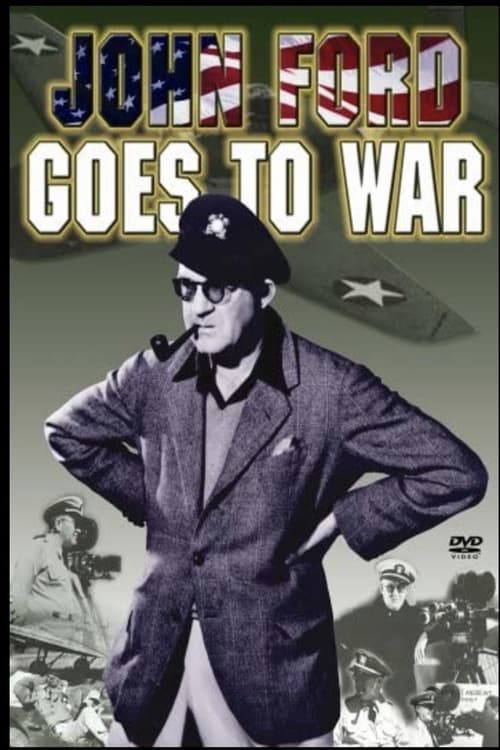
John Ford Goes to War
When World War II broke out, John Ford, in his forties, commissioned in the Naval Reserve, was put in charge of the Field Photographic Unit by Bill Donavan, director of the soon-to-be-OSS. During the war, Field Photo made at least 87 documentaries, many with Ford's signature attention to heroism and loss, and many from the point of view of the fighting soldier and sailor. Talking heads discuss Ford's life and personality, the ways that the war gave him fulfillment, and the ways that his war films embodied the same values and conflicts that his Hollywood films did. Among the films profiled are "Battle of Midway," "Torpedo Squadron," "Sexual Hygiene," and "December 7."
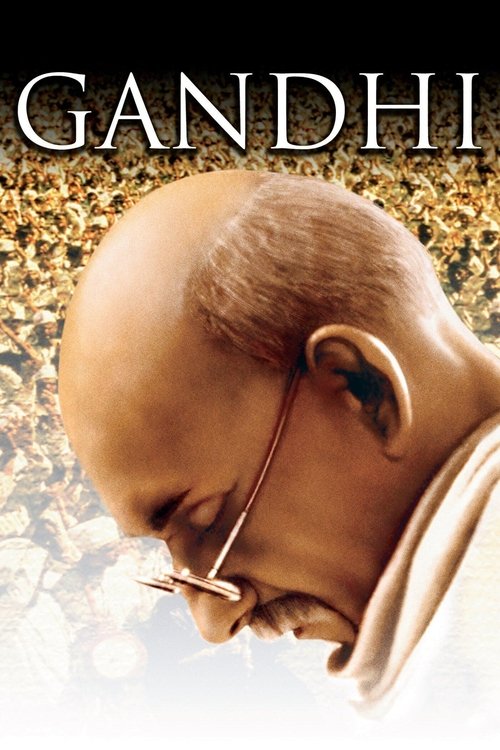
Gandhi
In the early years of the 20th century, Mohandas K. Gandhi, a British-trained lawyer, forsakes all worldly possessions to take up the cause of Indian independence. Faced with armed resistance from the British government, Gandhi adopts a policy of 'passive resistance', endeavouring to win freedom for his people without resorting to bloodshed.
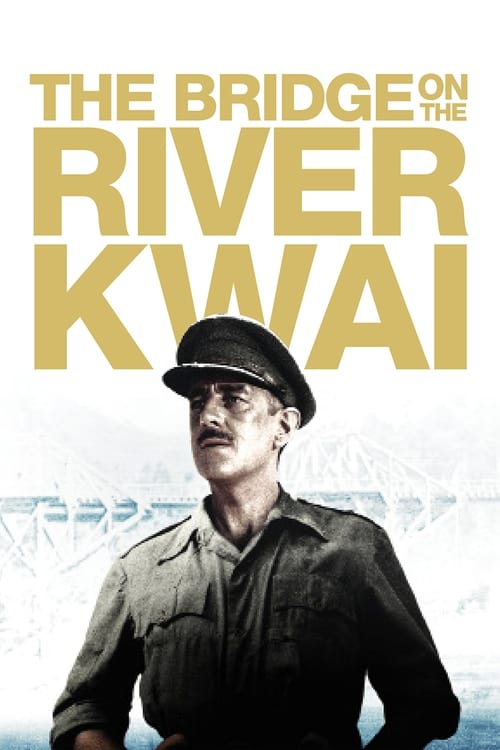
The Bridge on the River Kwai
The classic story of English POWs in Burma forced to build a bridge to aid the war effort of their Japanese captors. British and American intelligence officers conspire to blow up the structure, but Col. Nicholson, the commander who supervised the bridge's construction, has acquired a sense of pride in his creation and tries to foil their plans.
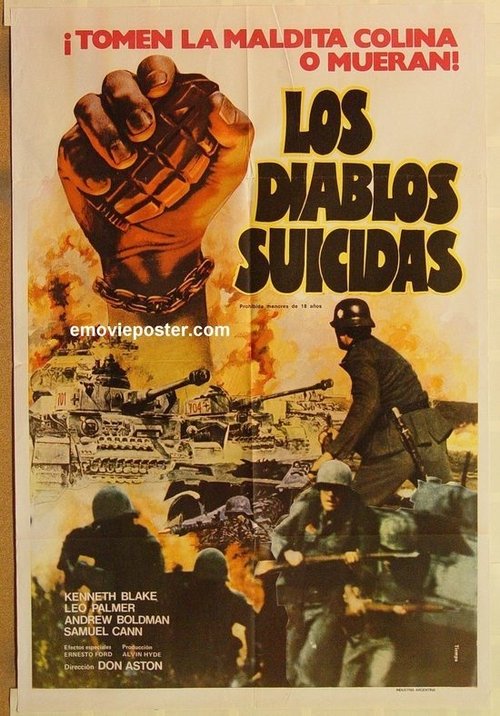
Operation Inchon
Recounts the so-called 'Battle of Inchon', an episode at the end of World War II during the amphibious invasion of Korea, resulting in a decisive victory and a strategic reversal in favor of the Allied forces.
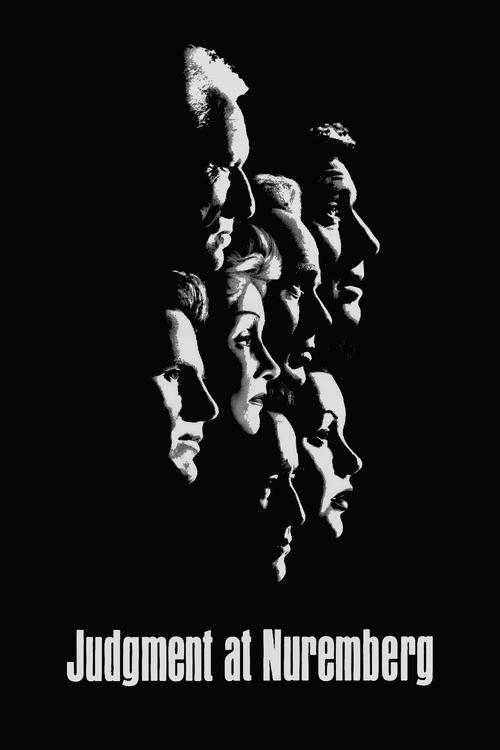
Judgment at Nuremberg
In 1947, four German judges who served on the bench during the Nazi regime face a military tribunal to answer charges of crimes against humanity. Chief Justice Haywood hears evidence and testimony not only from lead defendant Ernst Janning and his defense attorney Hans Rolfe, but also from the widow of a Nazi general, an idealistic U.S. Army captain and reluctant witness Irene Wallner.
Streaming IPTV FAQ
Can I watch this title through IPTV?
Availability depends on your IPTV provider and the rights included in your subscription. This page uses TMDB data for discovery and does not host video content.