Overview
In 2016 eleven young men from Parade Gardens in Kingston, Jamaica travelled to Scotland for the first time, bringing their powerful parkour performance Run Free to the National Theatre of Scotland’s Home/Away festival. Now the story of their journey is told in a heart-warming new documentary film. Run Free: The Documentary shows the struggles and triumphs of these young men as they create a piece of theatre that impacts both them and their community, a journey that saw them travel across the world, many for the first time, from the streets of Kingston to the international stage. Run Free was developed as part of the National Theatre of Scotland’s pioneering Jump programme. Originally presented by the National Theatre of Scotland, British Council, and Manifesto Jamaica, under the creative guidance of directors Simon Sharkey, Brian Johnson, and choreographer Liane Williams.
Genres
Similar titles

Reggie
One of sport’s first and most influential megastars, beloved baseball icon and 5-time World Series champion Reggie Jackson contemplates his legacy as a trailblazing Black athlete fighting for dignity, respect, and a seat at the table in this intimate and revealing documentary exploring his life and barrier-busting career.
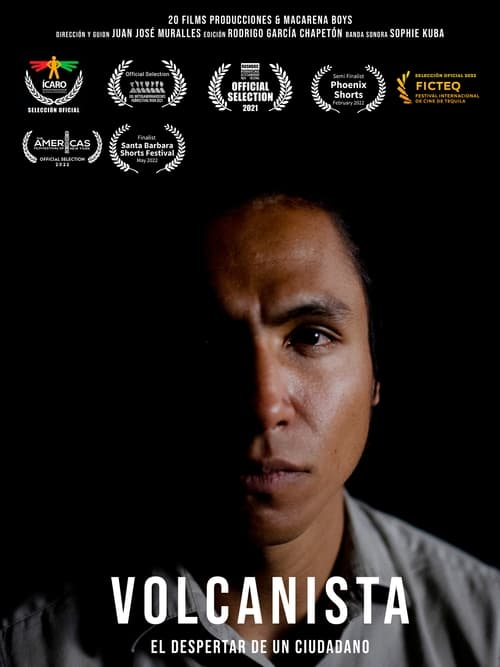
Volcanista: El despetar de un ciudadano
Jorge Luís Altuve is a young Guatemalan, passionate about mountaineering and a lover of his country. After the COVID-19 crisis and the lack of transparency in the execution of funds by the government of Alejandro Giammattei, he raised a wave of indignation that led thousands of Guatemalans to demonstrate. Jorge Luis attended the central square, when PNC agents began to intimidate the peaceful demonstrators. He and other citizens were arrested without having carried out an act of vandalism.

Atypiques
Atypiques
Sent Away Boys
What happens to families in the absence of sons? What happens to land in the absence of farmers? What happens to villages in the absence of men? Sent Away Boys weaves together stories of individual ambitions and family biographies from Punjab (India) to chronicle the gradual transformation of agrarian landscape and patriarchal traditions through ongoing transnational migration. As the promise of a secure future in agriculture grows increasingly uncertain for young men across the region, escaping India to join the low-wage labor in countries like Canada and USA becomes their sole aspiration. In rural Punjab, being a successful man now entails leaving their village, traveling abroad, and sending money home. Through interviews with men preparing to undertake often risky journeys and women awaiting the return of their sons, brothers and husbands, Sent Away Boys shows how young men's decisions to emigrate implicate families and communities across North India.

In Your Language
A group of students aged between 18 to 25 shares their opinion on the first thing they want to change in their country if they get the power to do so.
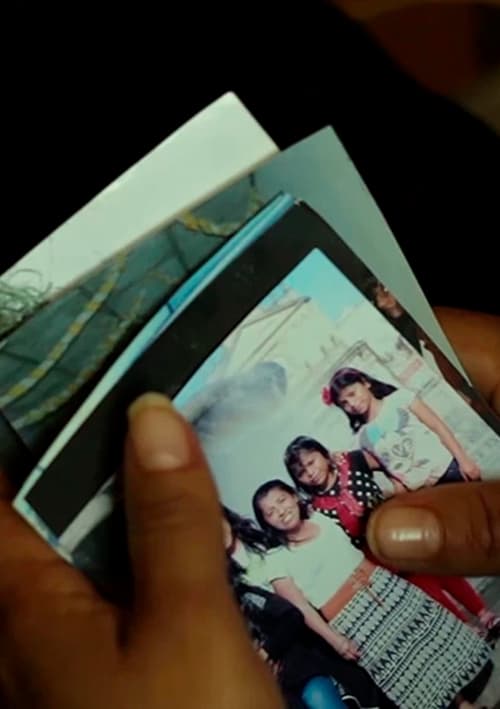
Widows ( Viudas de pilotos de transporte público - Avitransp)
Widows is a documentary about the wives of pilots, who have been killed while working on the streets of Guatemala City. Being a van or taxi driver in the Central American country is considered one of the most dangerous jobs in the world.

Dancing the Nutcracker: Inside the Royal Ballet
This Christmas, step into the magical world of The Nutcracker. For the first time in many years, the Royal Ballet has given full access behind the scenes for a landmark 90-minute documentary as they prepare for this season's yuletide production.

Fatboy Racing!
When filmmaker and musician David Porteous first encountered FatBoy Racing at the NTT IndyCar series race in Toronto, he discovered a team lounging on a black leather sofa wearing green paisley team shirts complete with team logo of a man sipping a martini and puffing on a big cigar. And then there was the team motto: ‘A race team hell bent on having fun’
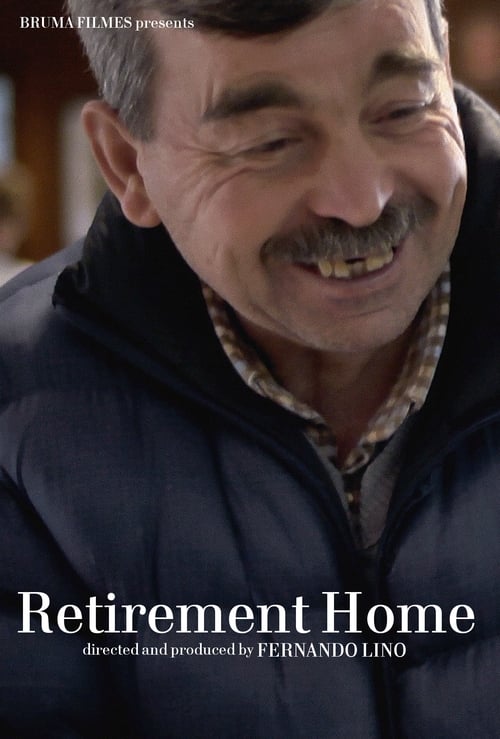
Retirement Home
A group of elders spends their weekdays in a retirement home in Sandim, in the north of Portugal, where they talk, do arts and crafts, practice yoga and pray. We follow them between October 2012 and March 2013, when an economic crisis overshadowed Portuguese society and unemployment rates reached record levels. Meanwhile, arrangements are made for the Carnival ball. Will they bring the first place home this time?
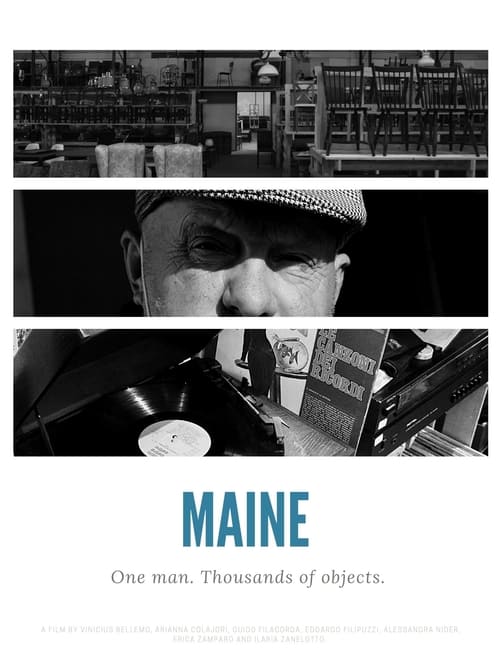
Maine
Maine
Streaming IPTV FAQ
Can I watch this title through IPTV?
Availability depends on your IPTV provider and the rights included in your subscription. This page uses TMDB data for discovery and does not host video content.