Overview
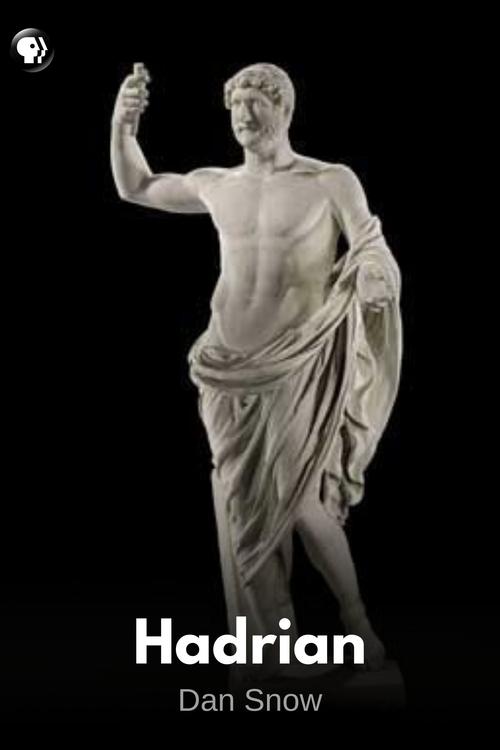
Documentary film, made for TV, about the Roman emperor Hadrian.
Genres
Cast

Dan Snow
presenter
Similar titles
Revelation - The Bride, The Beast & Babylon
Going to the very heart of the Bible's most challenging Book, this one hour documentary decodes the visions of Revelation 12 and 17 for everyone to understand. Journeying from the birth of Christ through the Christian era, this amazing video pulls aside the veil of hidden history to reveal the rise of Babylon, the persecution of the bride of Christ, and the real-world identity of the beast. Educational and inspiring, Revelation delivers the keys to understanding the epic conflict between Christ and Satan and what it means for your life today.
Terry Jones' Barbarians
Terry Jones' Barbarians is a 4-part TV documentary series first broadcast on BBC 2 in 2006. It was written and presented by Terry Jones, and it challenges the received Roman and Roman Catholic notion of the barbarian. Professor Barry Cunliffe of the University of Oxford acted as consultant for the series.
Julius Caesar Revealed
Mary Beard is on a mission to uncover the real Julius Caesar, and to challenge public perception, exploring Caesar's surprising legacy.
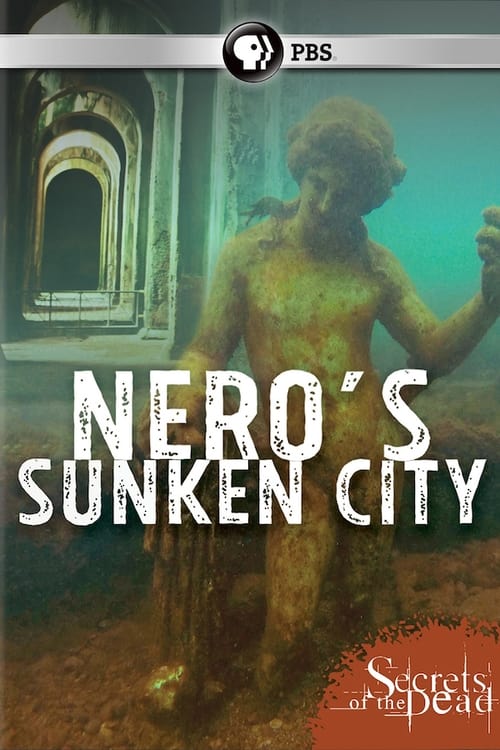
Nero's Sunken City
Beneath the turquoise waves of the Bay of Naples lies an extraordinary underwater archeology site, the ancient Roman city of Baiae. From the first century to the third century AD, Baiae was the exclusive playground for the rich and powerful among Rome’s elite. What made Baiae such a special place? What really went on there? And why did it disappear?
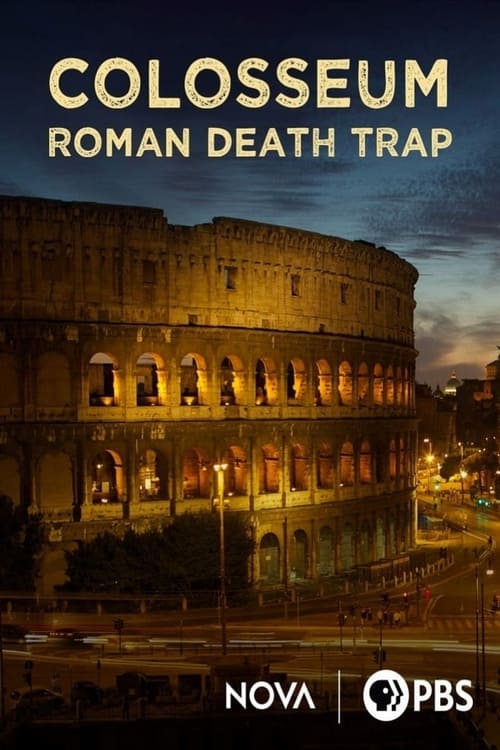
The Secrets of the Colosseum
Sea battles in the morning and gladiator fights in the afternoon with wild beasts magically appearing in the arena? A subterranean archaeologist investigates tunnels to see how the Colosseum could be flooded; and architects, engineers, and builders construct a lift and trap door system to attempt the release of a wolf into the most famous amphitheater in the world for the first time in 1500 years.
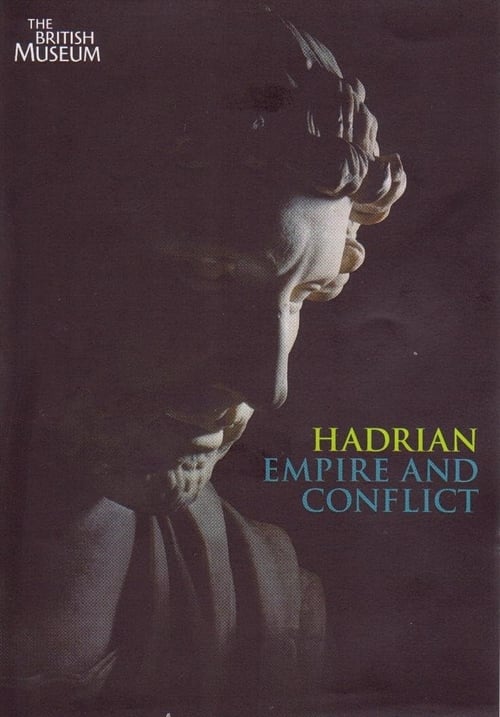
Hadrian - Empire And Conflict
Documentary released to coincide with the British Museum's exhibition dedicated to the man who ruled the Roman Empire from 117 to 138 AD. The programme explores the life, achievements, passions and legacy of the emperor who was both soldier and poet and responsible for that most famous construction - Hadrian's Wall. The documentary was produced in conjunction with the exhibition Hadrian: Empire and Conflict at the British Museum 24 July - 26 October 2008.
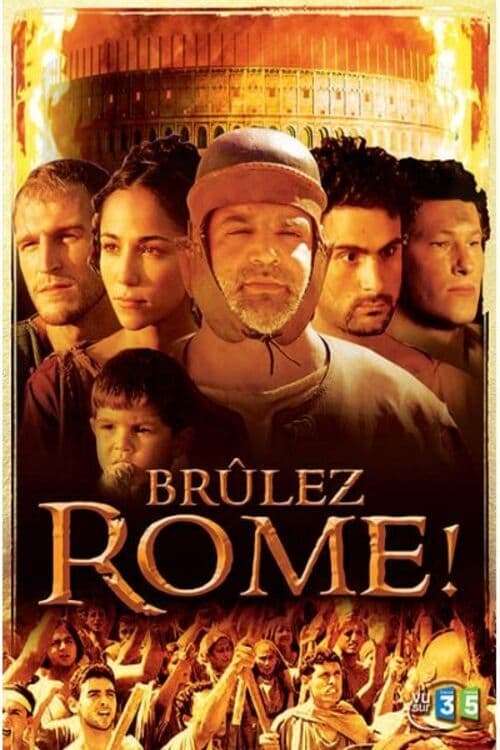
Brûlez Rome !
At the time of Nero, the Empire is at the height of its power, but Rome, where a million inhabitants live, is afraid of its enemies, of foreigners, of barbarians. Rome is afraid of the Tyrant and of its own power. And all these fears seem to crystallize in that of fire, more than anything else feared in this megalopolis that so often catches fire. In 64 A.D. the most terrible fire that the city has ever known broke out. It is said that it was set on the orders of Nero, in order to overwhelm the Christians who were accused of it. The watchmen, Celer and Theseus, intervene at the risk of their lives. This fictional documentary tells the story of the adventures of these two "firemen" in Rome during the Empire. An astonishing journey through time, the story of the life of men: customs, family, lifestyle, politics, education, leisure.
Marching to Zion
Documentary tracing the history of the Jewish people from the destruction of the temple in AD 70 to the modern-day nation of Israel. Through scriptural and historical evidence, DNA, mathematics, and testimony from rabbis and pastors, it attempts to answer the question, "Who are God's chosen people?".
Peter and Paul and the Christian Revolution
Two thousand years ago, in the Roman province of Judea, Jesus was crucified by imperial troops. Thousands before him had suffered the same fate. But unlike his predecessors on the cross, Jesus did not disappear from history. Instead, his memory was kept alive by a small band of Jews - men and women who held fast to their conviction that Jesus was the Messiah.
What Killed the Roman Empire?
Why did the Roman Empire, which dominated Europe and the Mediterranean for five centuries, inexorably weaken until it disappeared? Archaeologists, specialists in ancient pathologies and climate historians are now accumulating clues converging on the same factors: a powerful cooling and pandemics. A disease, whose symptoms described by the Greek physician Galen are reminiscent of those of smallpox, struck Rome in 167, soon devastating its army. At the same time, a sudden climatic disorder that was underway as far as Eurasia caused agricultural yields to plummet and led to the westward migration of the Huns. Plagued by economic and military difficulties, attacked from all sides by barbarian tribes, the Roman edifice gradually cracked.
Streaming IPTV FAQ
Can I watch this title through IPTV?
Availability depends on your IPTV provider and the rights included in your subscription. This page uses TMDB data for discovery and does not host video content.