Watch 143 Sahara Street in streaming IPTV
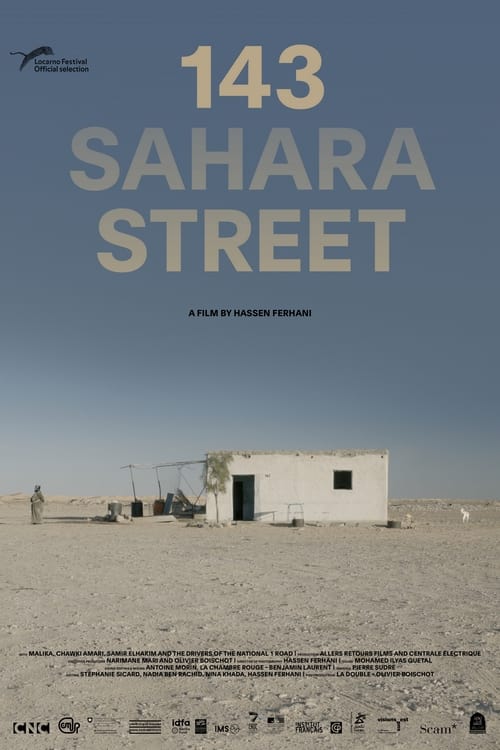
143 Sahara Street
Overview
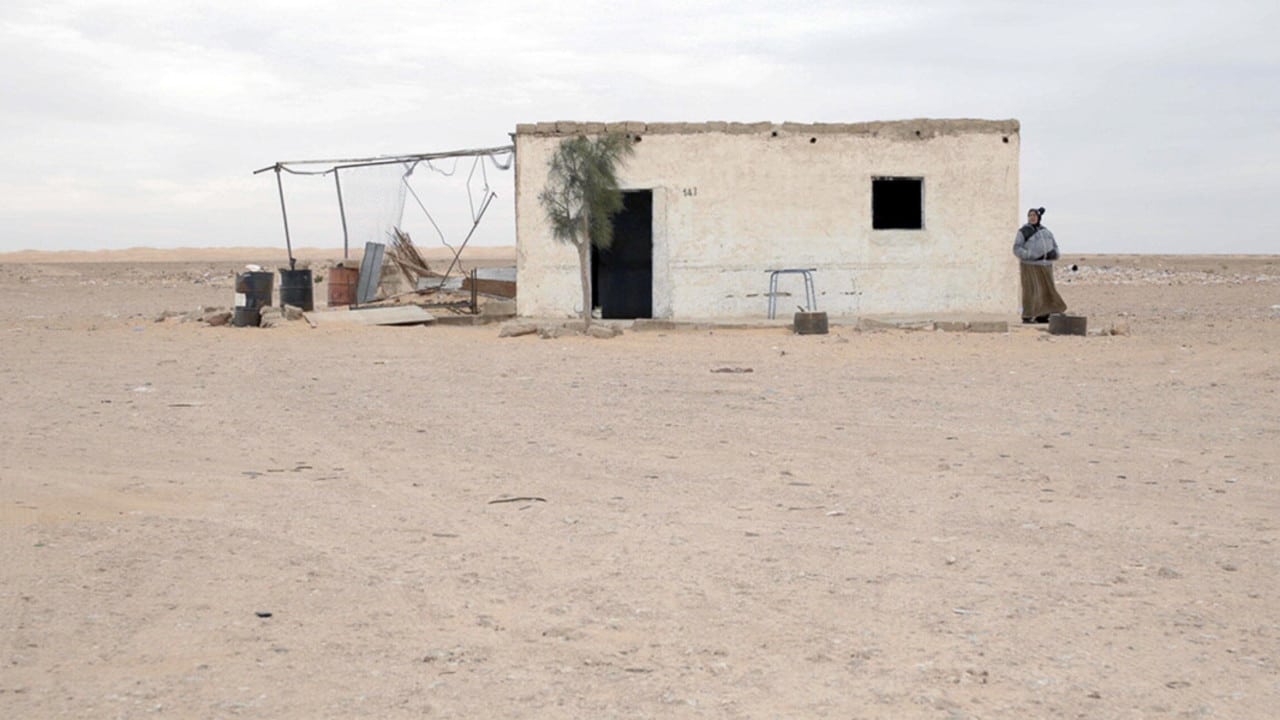
Alone in a small white house on the edge of national road 1, the Trans-Saharan road, which connects Algiers to Tamanrasset crossing the immensity of the desert, Malika, 74, one day opened her door to the director Hassen Ferhani, who came there to scout with his friend Chawki Amari, journalist at El Watan and author of the story Nationale 1 which relates his journey on this north-south axis of more than 2000 km. The Malika of Amari's novel, which Ferhani admits to having first perceived as a "literary fantasy", suddenly takes on an unsuspected human depth in this environment naturally hostile to man. She lends herself to the film project as she welcomes her clients, with an economy of gestures and words, an impression reinforced by the mystery that surrounds her and the rare elements of her biography which suggest that she is not from the region, that she left the fertile north of Algeria to settle in the desert where she lives with a dog and a cat.
Genres
Cast
Malika
Self
Chawki Amari
Self

Samir Elhakim
Self
Similar titles

Bouzareah
Arriving aboard the liner “Ville d’Alger”, young French citizens go to Bouzareah to follow a one-year professional training course at the École Normale. After acquiring the basics of the Arabic language and culture, the future teachers are trained to teach the population the basics of modern agriculture, manual work and hygiene. A study trip concludes the training. The teachers are then sent to the regions of their choice, where they will put their knowledge at the service of the inhabitants.
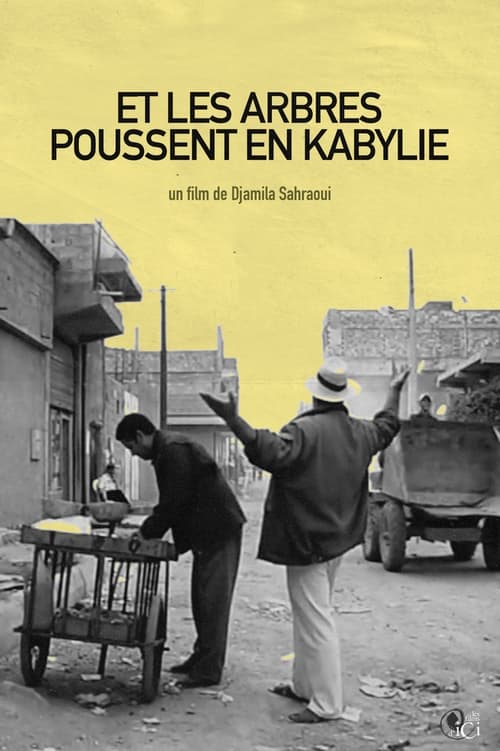
Et les arbres poussent en Kabylie
A warm, attentive chronicle of everyday life in a small Algerian town, with the backdrop of the inhabitants' development and beautification of one of the neighborhoods. We meet an amateur mechanic, a retired man from France, a doctor, old women and young men. Everyone plays... in front of the camera of one of the youngsters. Even when the riots in Kabylia disrupt the course of daily life in the Cité des Martyrs.

Glimpses of Morocco and Algiers
This FitzPatrick Traveltalk short visits the cities of Casablanca, Rabat, and Marrakesh in Morocco, as well as the city of Algiers in Algeria.

Manifesto of the 121
On September 5, 1960, the trial of about twenty French activists from the "Jeanson Network" began, supporters in the metropolis of the action of the Algerian FLN independence activists. But after a few days, the situation was reversed and the trial transformed into a political arena, it was the government, the army, their policy, it was the entire Algerian war whose trial began. Accused, witnesses, lawyers, overflowing a stunned court, transformed the courtroom into a tribune of the opposition. The trial coincided with the publication of the "Manifesto of the 121" on the right to insubordination, signed among others by Jean Paul Sartre, Arthur Adamov, Simone de Beauvoir, André Breton, Marguerite Duras, Pierre Boulez, René Dumont, François Chatelet…
L'Arc-en-ciel éclaté
L'Arc-en-ciel éclaté
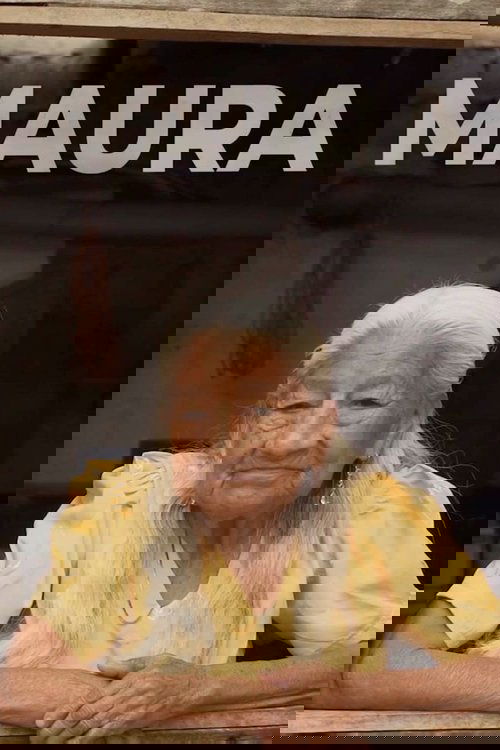
Maura
84-year-old Maura is the guardian of a very particular tradition in danger of extinction. She is a singer of amorfinos, verses full of humor that will disappear forever with her departure.
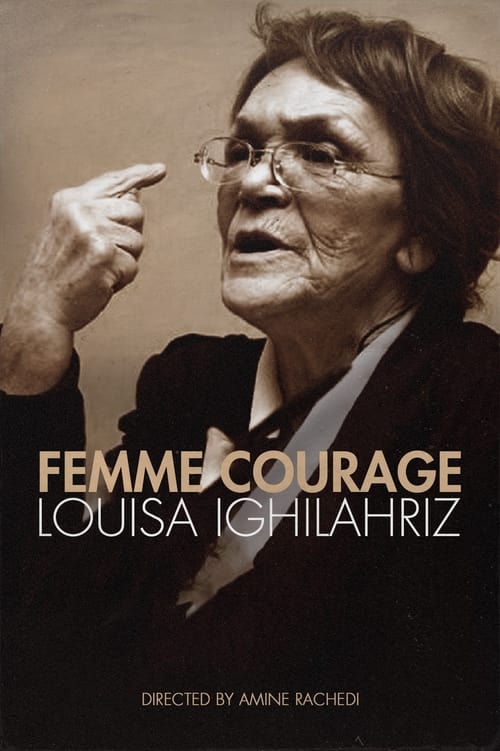
Woman of Courage - Louisa Ighilahriz
The autobiographical account of the tormented life of a witness of the century: Louisa Ighilahriz, activist and leading figure in Algerian independence. A student, she joined the independence struggle at the age of 20, joining the ranks of the FLN on the eve of the Battle of Algiers in late 1956 under the name Lila. She took part in the high school students' strike, then fled into the maquis when she was actively sought after. She was part of the French FLN support network of "suitcase carriers" during the Battle of Algiers. Seriously wounded alongside her network leader, Saïd Bakel, during an ambush in 1957, hospitalized and then imprisoned, she suffered numerous tortures in French prisons. She will be saved from certain death by an anonymous person, she will seek, for forty years, to find him just to show him her gratitude... Emblematic of the painful Franco-Algerian history, Louisa's story is poignant and imbued with humanism.
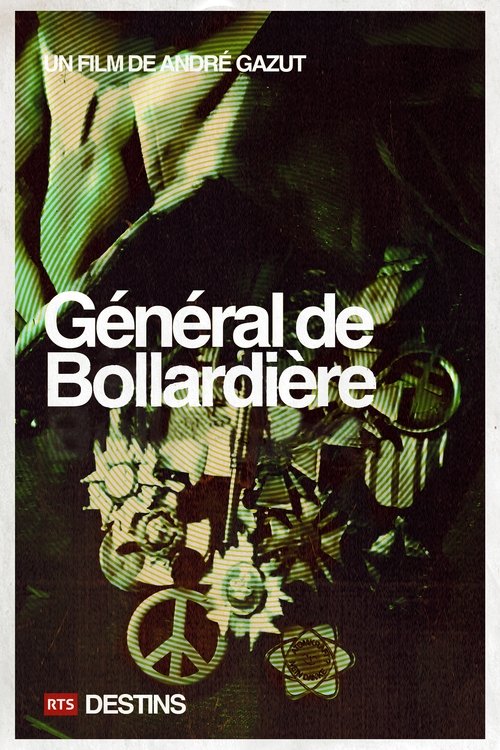
Destins: Général De Bollardière
The exceptional portrait of a pacifist general, the only senior officer to have spoken out against torture. This precious testimony still remains censored in France, since no national channel has to date decided to program this documentary. Son and brother of a soldier, General Pâris de Bollardière was destined for a career in arms. He was, for many years, one of the most brilliant representatives of this adventurer career in France, from Narvik to the Algerian War. After fighting in the French maquis, he reached Indochina, where he suddenly found himself in the aggressor's camps. His beliefs are strongly shaken. But it is in Algeria, where the French army practices torture and summary executions, that he takes the big turn. He expresses his contempt to Massu, and is relieved of his command. Until his death in 1986, Jacques de Bollardière fought for world peace, from the Larzac plateaus to the Mururoa atolls.
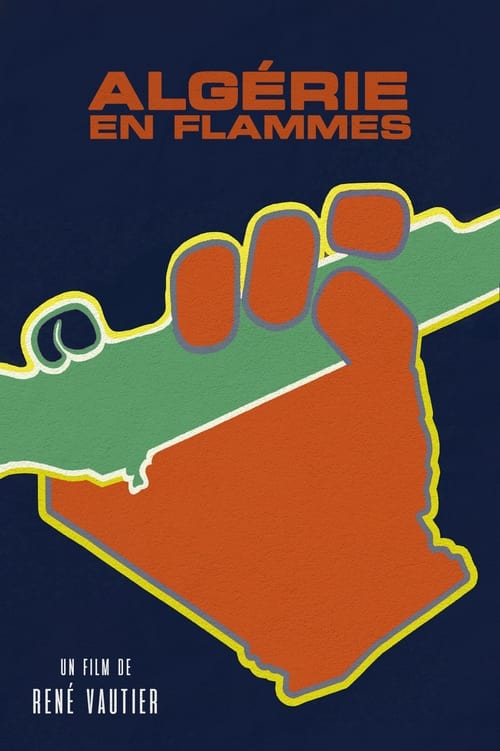
Algeria in Flames
These are the first images shot in the ALN maquis, camera in hand, at the end of 1956 and in 1957. These war images taken in the Aurès-Nementchas are intended to be the basis of a dialogue between French and Algerians for peace in Algeria, by demonstrating the existence of an armed organization close to the people. Three versions of Algeria in Flames are produced: French, German and Arabic. From the end of the editing, the film circulates without any cuts throughout the world, except in France where the first screening takes place in the occupied Sorbonne in 1968. Certain images of the film have circulated and are found in films, in particular Algerian films. Because of the excitement caused by this film, he was forced to go into hiding for 25 months. After the declaration of independence, he founded the first Algerian Audiovisual Center.
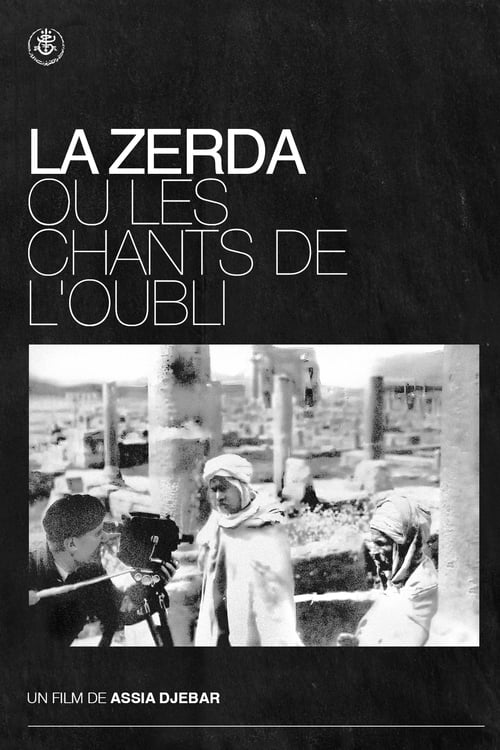
The Zerda or the Songs of Forgetting
“La Zerda and the songs of oblivion” (1982) is one of only two films made by the Algerian novelist Assia Djebar, with “La Nouba des femmes du mont Chenoua” (1977). Powerful poetic essay based on archives, in which Assia Djebar – in collaboration with the poet Malek Alloula and the composer Ahmed Essyad – deconstructs the French colonial propaganda of the Pathé-Gaumont newsreels from 1912 to 1942, to reveal the signs of revolt among the subjugated North African population. Through the reassembly of these propaganda images, Djebar recovers the history of the Zerda ceremonies, suggesting that the power and mysticism of this tradition were obliterated and erased by the predatory voyeurism of the colonial gaze. This very gaze is thus subverted and a hidden tradition of resistance and struggle is revealed, against any exoticizing and orientalist temptation.
Streaming IPTV FAQ
Can I watch this title through IPTV?
Availability depends on your IPTV provider and the rights included in your subscription. This page uses TMDB data for discovery and does not host video content.