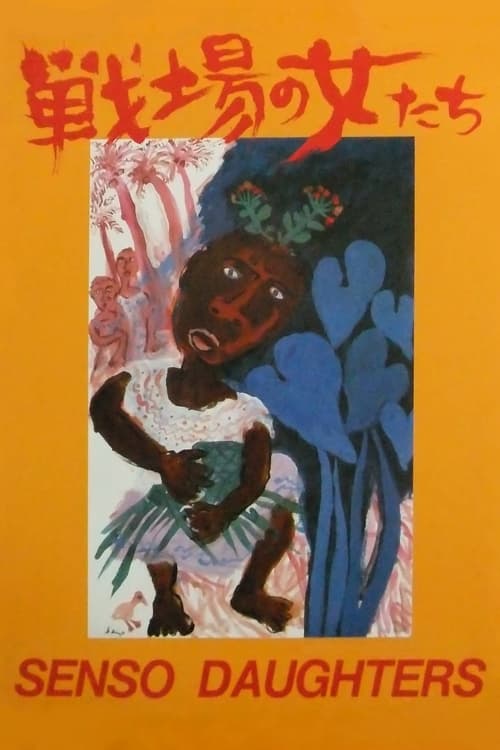
Watch Senso Daughters in streaming IPTV
Senso Daughters
Overview
Senso Daughters focuses on the legacy of the Japanese occupation of Papua New Guinea during the Second World War. It is a legacy that arises from rape, starvation and terror. Sekiguchi's documentary lets the residents of Papua New Guinea, especially the women, tell the story of their three years under Japanese Army rule.
Genres
Similar titles
Comfort
Comfort
The Women Outside
They're called bar women, hostesses, or sex workers and "western princesses." They come from poor families, struggling to earn a decent wage, only to be forced into the world's oldest profession. They're the women who work in the camptowns that surround U.S. military bases in South Korea. In 40 years, over a million women have worked in Korea's military sex industry, but their existence has never been officially acknowledged by either government. In The Women Outside, a film by J.T. Orinne Takagi and Hye Jung Park, some of these women bravely speak out about their lives for the first time. The film raises provocative questions about military policy, economic survival, and the role of women in global geopolitics
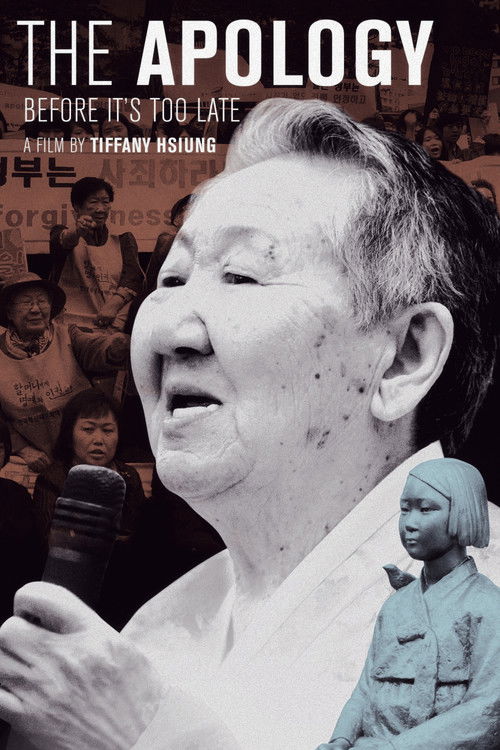
The Apology
"The Apology" explores the lives of former "comfort women," the more than 200,000 girls forced into sexual slavery during World War II. Today, they fight for reconciliation and justice as they struggle to make peace with the past.

The Silence
The Silence narrates the struggle of fifteen "comfort women"—former sex slaves by the Imperial Japanese Army during WWII—for recognition and reparation. The "comfort women" issue has previously been treated almost exclusively within the framework of Korean nationalism. The Silence will provide insight into the ways in which nationalism and the emergence of post-war Asian nation-states have hindered the understanding of "comfort women" narratives through Zainichi Korean documentary filmmaker Soo-nam Park's point of view.
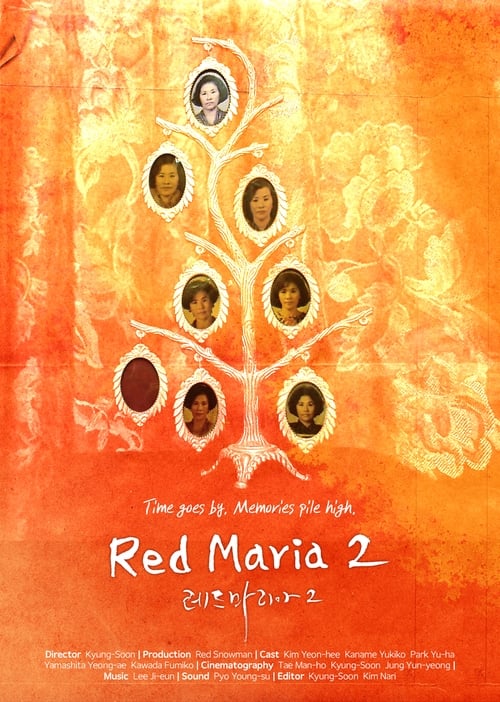
Red Maria 2
Korean sex worker Yonhee goes to Japan to build solidarity with her counterparts there. YAMASITA Youngae heads for Kyoto to give a lecture on how former prostitute-turned-comfort women were left out of the movement to achieve justice for comfort women. Korean professor PARK Yu-ha is sued by former comfort women because of her book Comfort Women of the Empire. Reportage writer KAWADA Fumiko Tells the story of BAE Bonki, a Korean who worked as a comfort woman in Okinawa. Shuttling between the issue of sex workers who refuse to be pictured as victims and the issue of comfort women who couldn’t even be acknowledged as victims, the film reveals stories that had disappeared from official memory.
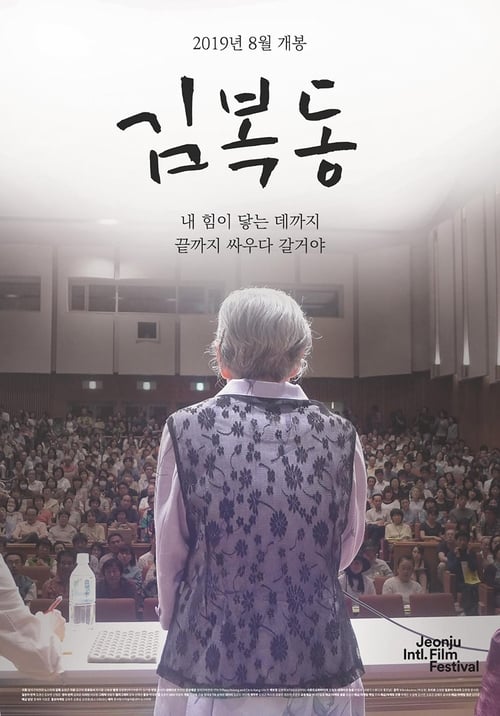
My name is KIM Bok-dong
In 1992, KIM Bok-dong, reported herself as a victim of the sexual slavery, "comfort women" during World War Ⅱ. She wanted to receive the proper apology from the Japan government but they denied its responsibility. In 2011, commemorating the 1000th Wednesday demonstration, Statue of Peace was installed in front of the Embassy of Japan. The fight over Japan confronts a new stage.
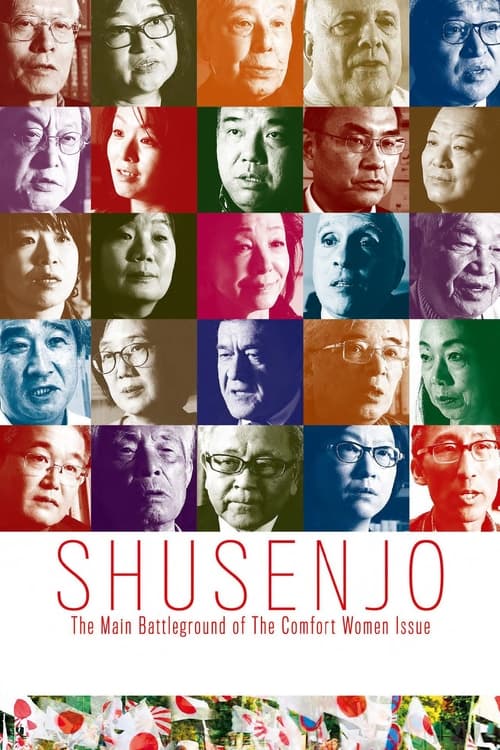
Shusenjo: The Main Battleground of the Comfort Women Issue
A Japanese-American director digs deep into the controversial 'comfort women' issue to settle the debate on whether the women were paid prostitutes or sex slaves, and reveals the motivations and intentions of the main actors pushing to revise history in Japan.

KOKO SunYi
KOKO SunYi
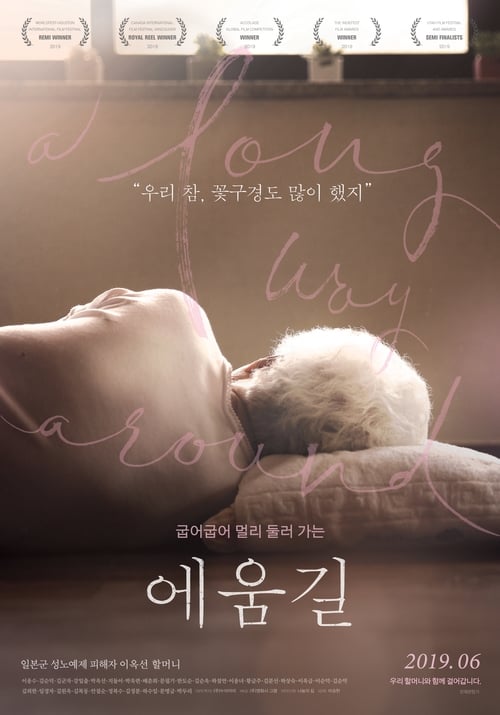
A Long Way Around
Life story of sexually harassed women by Japanese army, so called "comfort women" and the reflected story of Grandma, Ok-seon Lee in that period of time
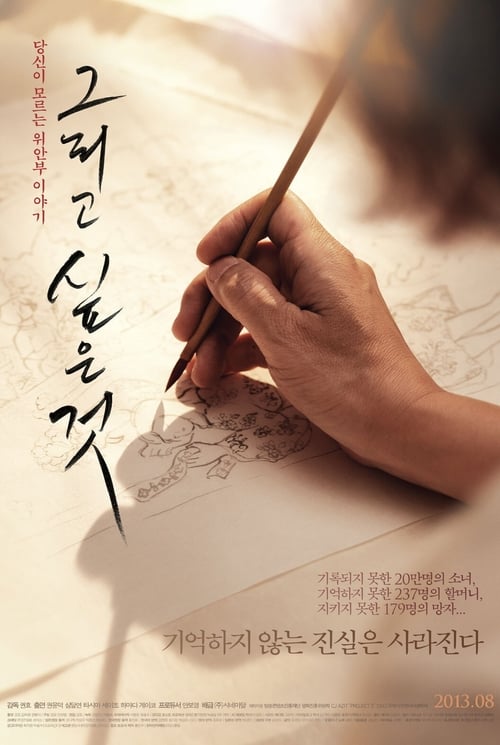
The Big Picture
The Big Picture
Streaming IPTV FAQ
Can I watch this title through IPTV?
Availability depends on your IPTV provider and the rights included in your subscription. This page uses TMDB data for discovery and does not host video content.