Watch Ka Ke Ki Ku in streaming IPTV
Ka Ke Ki Ku
Overview
This early work from Pierre Perrault, made in collaboration with René Bonnière, chronicles summer activities in the Innu communities of Unamenshipu (La Romaine) and Pakuashipi. Shot by noted cinematographer Michel Thomas-d’Hoste, it documents the construction of a traditional canoe, fishing along the Coucouchou River, a procession marking the Christian feast of the Assumption, and the departure of children for residential schools—an event presented here in an uncritical light. Perrault’s narration, delivered by an anonymous male voice, underscores the film’s outsider gaze on its Indigenous subjects. The film is from Au Pays de Neufve-France (1960), a series produced by Crawley Films, an important early Canadian producer of documentary films.
Genres
Similar titles
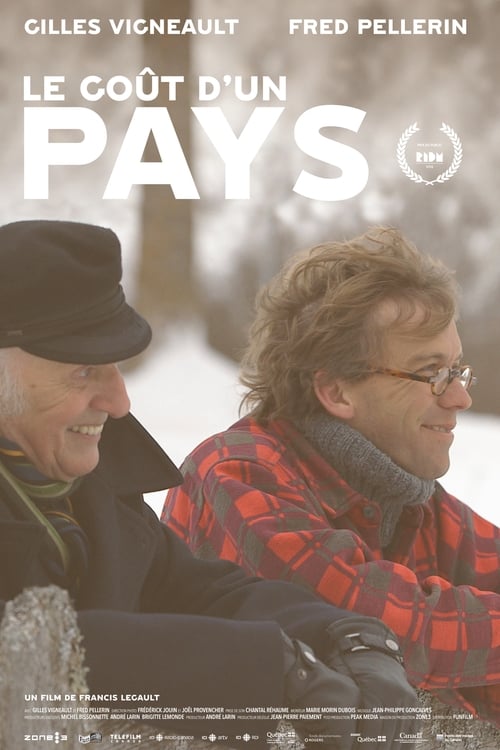
Le goût d'un pays
Focused on an inspiring and touching dialogue between Gilles Vigneault and Fred Pellerin, the documentary tells the story of Quebec by digging deep into an ancestral tradition etched into our cultural DNA: the production of maple syrup.
Never Anywhere
Behind closed doors in a car, three friends from the small town of Sept-Îles discuss their desire to reconnect with the North Shore, the region where they grew up. As the hours lenghten on the road 138, the young women reflect on the quest for identity that accompanies the regional exodus and reveals a social landscape decentralized from the metropolises.
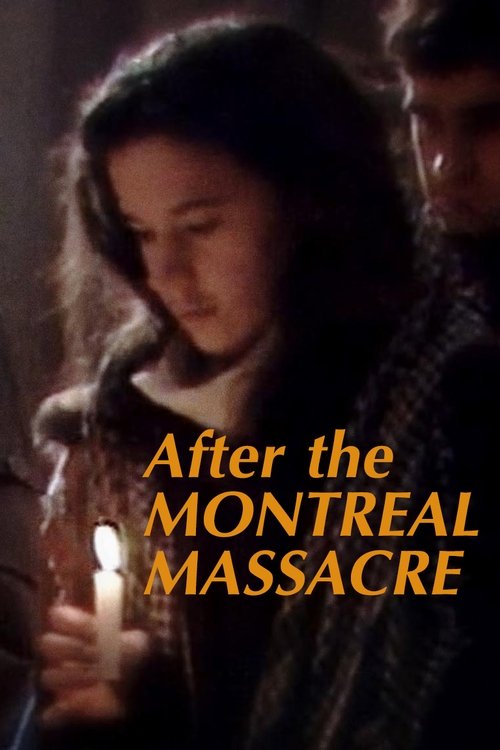
After the Montreal Massacre
December 6, 1989. Sylvie Gagnon was attending her last day of classes at the University of Montreal's École Polytechnique, when Marc Lépine entered the building. Separating the women from the men, he opened fire on the women students, yelling 'You're all a bunch of feminists.' Sylvie survived, while fourteen other women were murdered. This video makes the connection between the massacre and male violence against women, setting the stage for an exploration of misogyny and sexism.

Jack Kerouac's Road: A Franco-American Odyssey
Part documentary, part drama, this film presents the life and work of Jack Kerouac, an American writer with Québec roots who became one of the most important spokesmen for his generation. Intercut with archival footage, photographs and interviews, this film takes apart the heroic myth and even returns to the childhood of the author whose life and work contributed greatly to the cultural, sexual and social revolution of the 1960s.

Don't Cry for Me Sudan: Shukran Baba
Tonj, Sudan is the land with only desperation from poverty and war. This is the story about priest also doctor, educator, musician and architect Lee Tae-seok’s work and hidden episode behind.
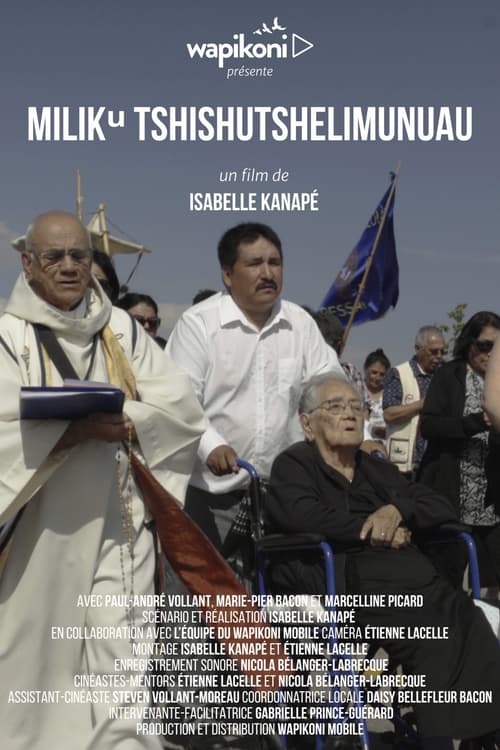
Milikᵘ tshishutshelimunuau
The journey of a young candidate running in the Pessamit community band council elections.
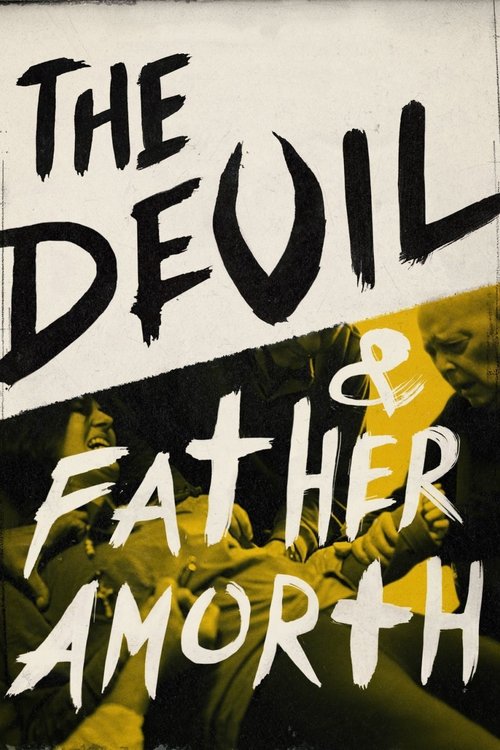
The Devil and Father Amorth
William Friedkin attends an exorcism with Father Gabriele Amorth, as he treats an Italian woman named Cristina for the ninth time. Prior to filming, Cristina had purportedly been experiencing behavioural changes and “fits” that could not be explained by psychiatry, and which became worse during Christian holidays.
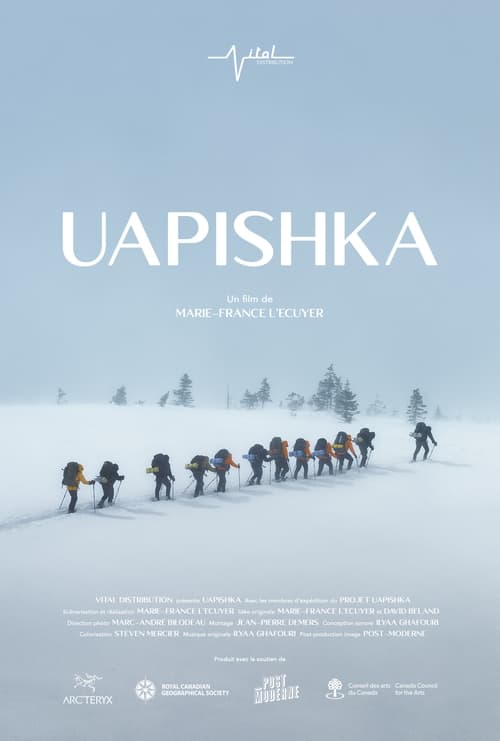
Uapishka
North of the 51st parallel, where the dense boreal forest opens onto an arctic islet, the snow-capped peaks of the Uapishka Mountains watch over the Nitassinan of Pessamit. In the heart of winter, a group of Innu and non-Innu adventurers attempt to cross this vast mountain range on snowshoes, completely independently. Faced with the vastness of the territory, the rigors of the northern climate and the impetuous breath of the tundra, they discover each other in a different way, form friendships and unite to better chart their course. Over the kilometres, the adventure reveals a space for meeting, sharing and reconciliation.
Under New Management
This film is about the francization of Québec that has taken place since the Parti Québécois won power from the Liberals in 1976. It shows how the once powerful anglophone community is now questioning its very survival. It discusses some of the motivating forces behind Québécois nationalism. The film concludes by asking if the Canadian nation can survive if neither of its major language groups is welcome in the territory of the other.
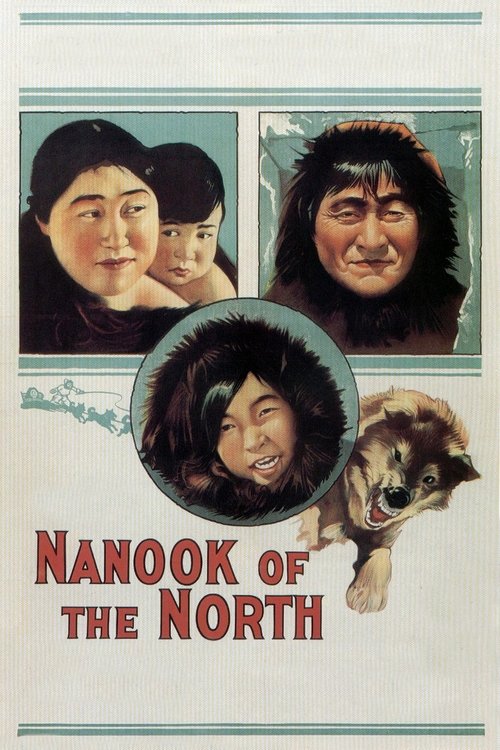
Nanook of the North
This pioneering documentary film depicts the lives of the indigenous Inuit people of Canada's northern Quebec region. Although the production contains some fictional elements, it vividly shows how its resourceful subjects survive in such a harsh climate, revealing how they construct their igloo homes and find food by hunting and fishing. The film also captures the beautiful, if unforgiving, frozen landscape of the Great White North, far removed from conventional civilization.
Streaming IPTV FAQ
Can I watch this title through IPTV?
Availability depends on your IPTV provider and the rights included in your subscription. This page uses TMDB data for discovery and does not host video content.