Watch Mark of the Hand in streaming IPTV
Mark of the Hand
Overview
Guyanese painter Aubrey Williams (1926-1990) returns to his homeland on a “journey to the source of his inspiration” in this vivid Arts Council documentary, filmed towards the end of his life. The title comes from the indigenous Arawak word ‘timehri’ - the mark of the hand of man - which Williams equates to art itself. Timehri was also then the name of the international airport at Georgetown, Guyana's capital, where Williams stops off to restore an earlier mural. The film offers a rare insight into life beyond Georgetown, what Williams calls “the real Guyana.” Before moving to England in 1952 he had been sent to work on a sugar plantation in the jungle; this is his first chance to revisit the region and the Warao Indians - formative influences on his work - in four decades. Challenging the ill-treatment of indigenous Guyanese, Williams explored the potential of art to change attitudes. By venturing beyond his British studio, this film puts his work into vibrant context.
Genres
Cast
Aubrey Williams
Himself
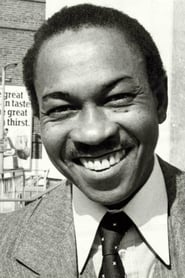
Norman Beaton
Narrator
Similar titles
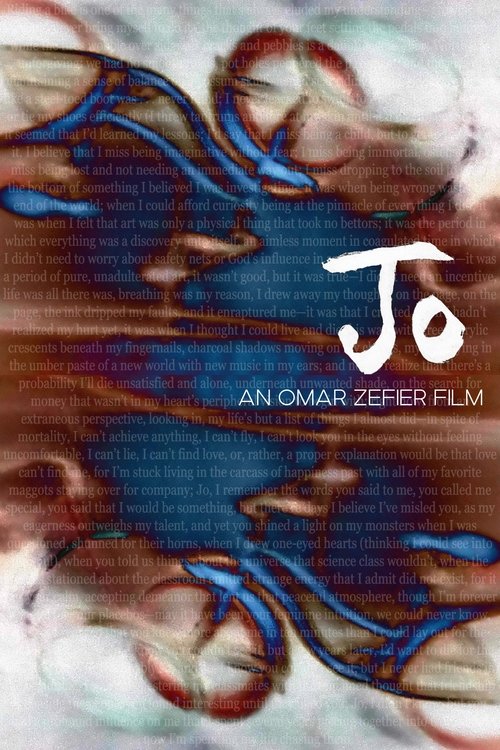
Jo
Jo; or The Act of Riding a Bike is Zefier's third film.

Francofonia
Master filmmaker Alexander Sokurov (Russian Ark) transforms a portrait of the world-renowned museum into a magisterial, centuries-spanning reflection on the relation between art, culture and power.
The Lost World of the Seventies
Michael Cockerell sheds new light on the tragi-comedy of the 1970s by focusing on some of its most controversial characters. With fresh filming and new interviews, along with a treasure trove of rare archive, the film presents the inside story of giant personalities who make today's public figures look sadly dull in comparison. The well-known journalist revisits some of his films on the big characters who helped shaped the 1970s in Britain. Both tragic and comic, it highlights just how much our world has changed in four decades.
Electronic Poem
Poème Électronique is an 8-minute piece of electronic music by composer Edgard Varèse, written for the Philips Pavilion at the 1958 Brussels World’s Fair. The Philips corporation commissioned Le Corbusier to design the pavilion, which was intended as a showcase of their engineering progress. The pavilion was shaped like a stomach, with a narrow entrance and exit on either side of a large central space. As the audience entered and exited the pavilion, the electronic composition Concret PH by Iannis Xenakis (who also acted as Le Corbusier's architectural assistant for the pavilion's design) was heard. Poème électronique was synchronized to a film of black and white photographs selected by Le Corbusier which touched on vague themes of human existence.
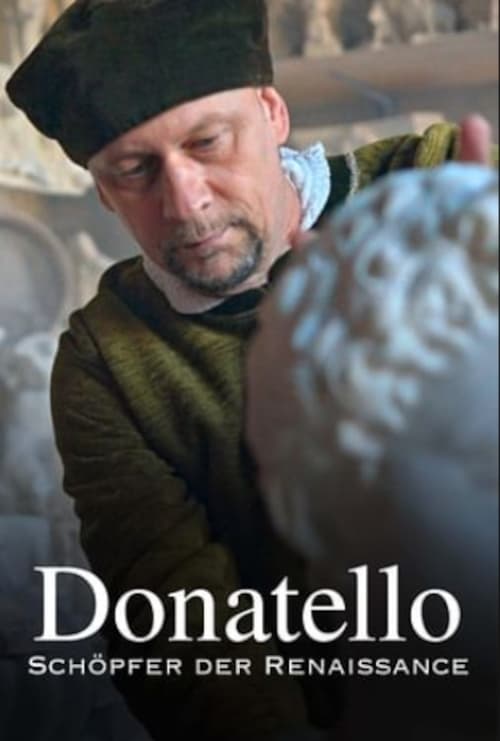
Donatello: Renaissance Genius
Portrait of the Italian sculptor Donatello (1386-1466), a precursor of the High Renaissance who considerably influenced sculptural art with his innovative way of conceiving space. Donatello is already a legend in his own lifetime. The sculptor is the forefather of the High Renaissance and pioneer for artists such as Raphael or Michelangelo. His bronze sculpture of the "David" or the "Pazzi Madonna" in marble are icons of art history and testify to his sculptural power of renewal.

Sarcophagus for a Queen
Bjørn Nørgaard and a team of Czech glass artists in the demanding process of creating a grave monument for Queen Margrethe and Prince Henrik of Denmark.
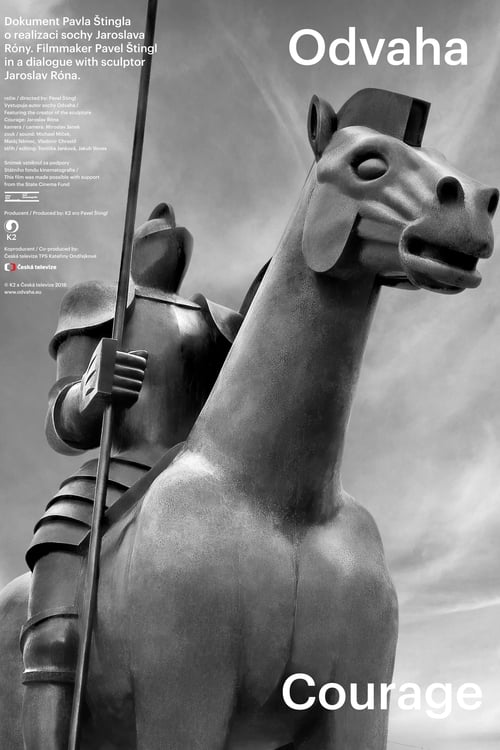
Odvaha
Odvaha
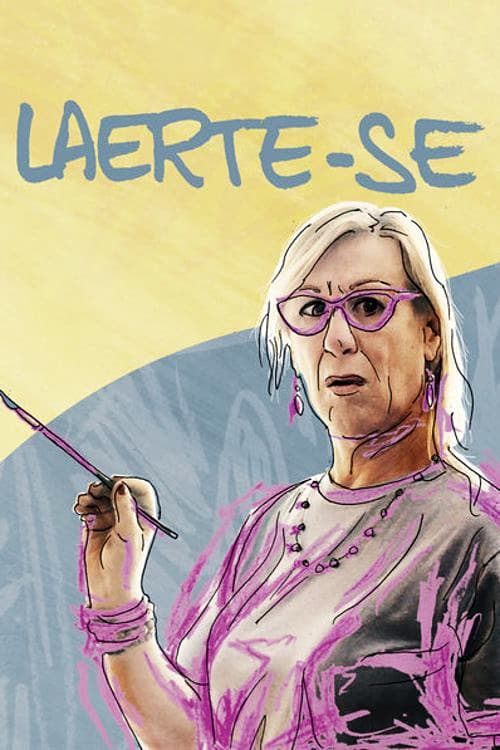
Laerte-se
In this film, Laerte conjugates the body in the feminine, and scrutinizes concepts and prejudices. Not in search of an identity, but in search of un-identities. Laerte creates and sends creatures to face reality in the fictional world of comic strips as a vanguard of the self. And, on the streets, the one who becomes the fiction of a real character. Laerte, of all the bodies, and of none, complicates all binaries. In following Laerte, this documentary chooses to clothe the nudity beyond the skin we inhabit.
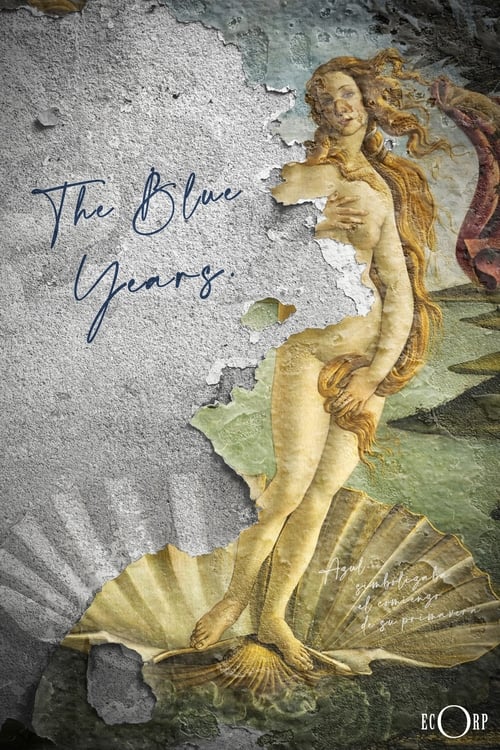
The Blue Years
Rubén tries to describe the color blue as "The color of dreams, of art, of the ocean and of the firmament", thereby unleashing half a century of poetry.
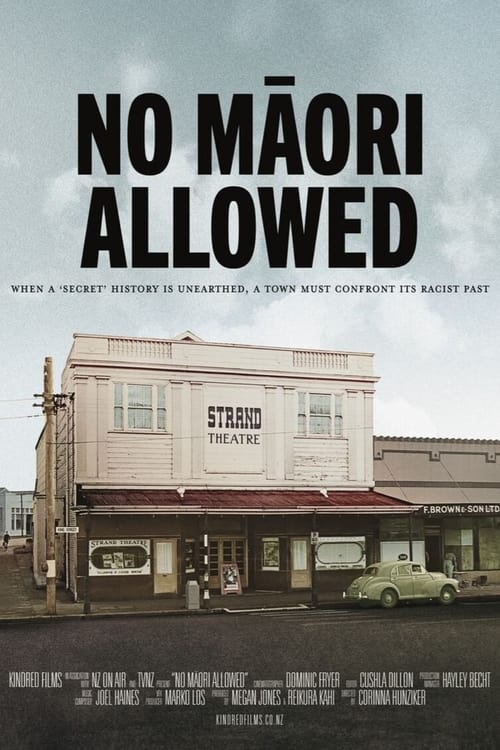
No Māori Allowed
When an academic unearths a forgotten history, residents of the small township of Pukekohe, including kaumātua who have never told their personal stories before, confront its deep and dark racist past.
Streaming IPTV FAQ
Can I watch this title through IPTV?
Availability depends on your IPTV provider and the rights included in your subscription. This page uses TMDB data for discovery and does not host video content.