

Watch Propaganda Techniques in streaming IPTV
Propaganda Techniques
Overview
Shows methods of recognizing and evaluating propaganda and encourages adoption of a judicious, critical attitude toward it. Chuck would like to know whether the election was really "a victory for good government" as the victorious party claimed...
Genres
Similar titles
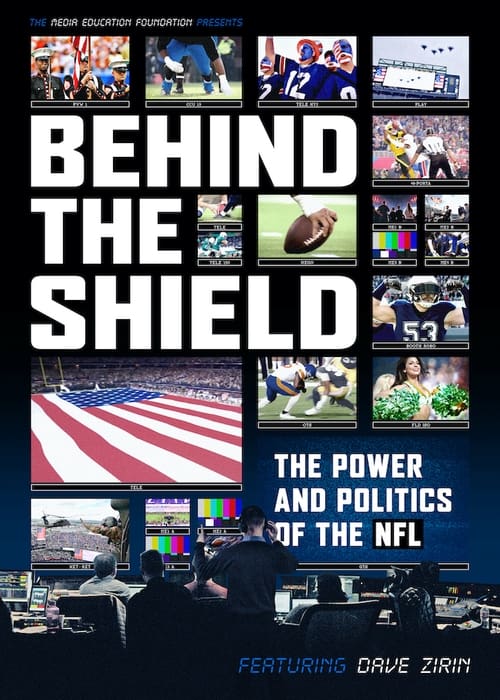
Behind the Shield: The Power and Politics of the NFL
Celebrated author and Nation magazine sports editor Dave Zirin tackles the myth that the NFL was somehow free of politics before Colin Kaepernick and other Black NFL players took a knee.

Cinecittà, de Mussolini à la Dolce Vita
Cinecitta is today known as the center of the Italian film industry. But there is a dark past. The film city was solemnly inaugurated in 1937 by Mussolini. Here, propaganda films would be produced to strengthen the dictator's position.
Tragedy or Hope
Contrasting radical mobs, anarchy, and 1960s counterculture with footage of American manufacturing and innovation, this film celebrates the concept of American exceptionalism and argues that anti-Vietnam War protesters were influenced by communism, atheism, and immorality. Set mostly in a university library, this political debate between a medical student, his 1770s ancestor, and a history professor is a sequel to the 1972 National Education Program film, Brink of Disaster! Two additional characters appear in this drama: a 19th-century steamboat captain, and the student’s grandfather - an early 20th-century automobile worker. The National Education Program at Harding College in Searcy, Arkansas created a variety of widely-distributed anti-communism films from the mid-1940s to the early 1970s.
Brink of Disaster!
A student is held up in the library while a riot rages outside. As SDS protesters head to burn the library down, he has to fend them off with his baseball bat. This film opens with actual footage of civil disturbances in the 1960s, and moves on to images of historical American figures.
John Huston War Stories
During World War II, the propaganda engine of the U.S. government made a pivotal decision with unforeseeable results: they tapped John Huston to shoot war documentaries with an expressly patriotic spin. Few could guess the degree to which Huston's documentaries would depict the sheer brutality and horror of modern warfare - particularly his Let There Be Light and The Battle of San Pietro. The films served (by default) as cinematic protests, even as they graced new and brilliant heights within the scope of American documentary. (Indeed, Light was banned by the government for 35 years). Midge Mackenzie's 1998 documentary John Huston: War Stories explores this little known facet of Huston's career, intercutting clips from the various documentaries with a Huston interview shot just prior to his death.

The Four Elements
An educational film about power sources that’s rendered as a lyrical meditation on heat and vapor, The Four Elements is a poetic and avant-garde documentary Curtis Harrington made for the United States Information Agency.
Newspaper Train
The story of how newspapers were distributed during the Blitz, stressing the importance of an accurate and objective press on the home front.

A War in Hollywood
The Spanish Civil War (1936-1939) caused a great impression on the lives of most of the American artists of that era, so many movies were made in Hollywood about it. The final defeat of the Spanish Republic left an open wound in the hearts of those who sympathized with its cause. The eventful life of screenwriter Alvah Bessie (1904-1985), one of the Hollywood Ten, serves to analyze this sadness, the tragedy of Spain and its consequences.
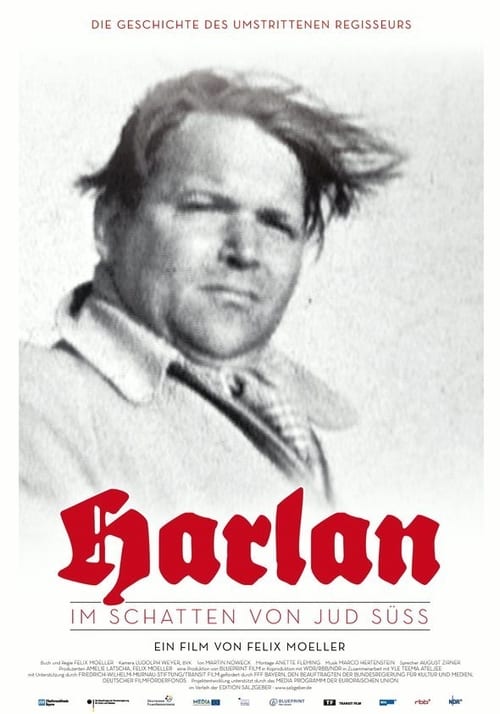
Harlan: In the Shadow of Jew Süss
Though almost forgotten today, Veit Harlan was one of Nazi Germany's most notorious filmmakers. His most perfidious film was the treacherous anti-Semitic propaganda film Jud Süß - required viewing for all SS members. This documentary is an eye-opening examination of World War II film history as well as the story of a German family from the Third Reich to the present; one that is marked by reckoning, denial and liberation.
Our Cities Must Fight
"Our Cities Must Fight" is a civil defense film that was produced for the U.S. government to illustrate the importance of not abandoning urban centers during an atomic bombing. The film cautions that doing so would make it easier for the invading "enemy."
Streaming IPTV FAQ
Can I watch this title through IPTV?
Availability depends on your IPTV provider and the rights included in your subscription. This page uses TMDB data for discovery and does not host video content.