
Watch Pop féminisme : des militantes aux icônes pop in streaming IPTV
Pop féminisme : des militantes aux icônes pop
Overview
An overview of 21st-century feminism through the lens of pop culture.
Genres
Cast

Aïssa Maïga
Narrator

Zahia Dehar

Roxane Gay
Florence Montreynaud

Leïla Slimani
Bibia Pavard

Chilla
Self
Similar titles
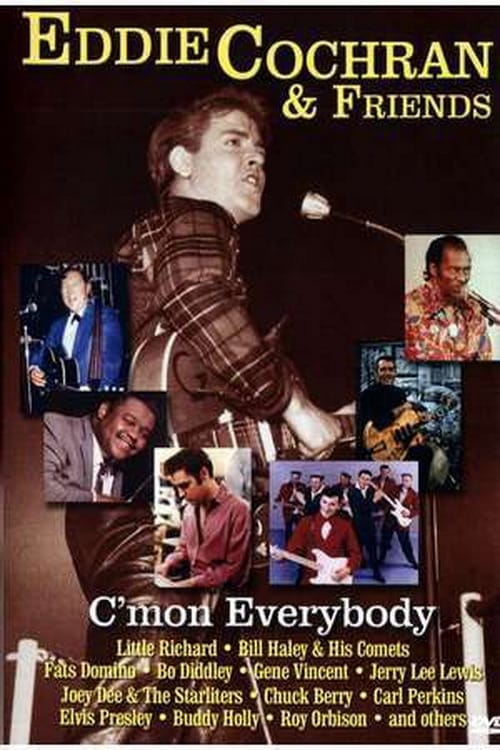
Eddie Cochran & Friends: C'mon Everybody
Eddie Cochran & Friends: C'mon Everybody
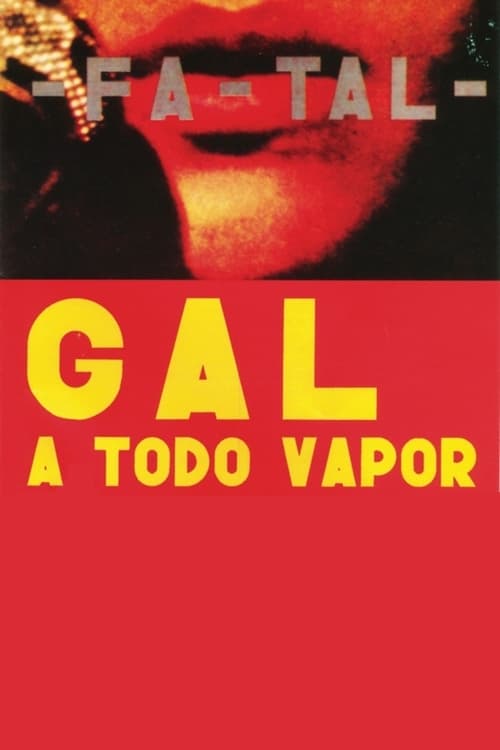
Gal Fa-Tal
Shot in 1971 during Gal Costa's famous concert "Gal Fa-tal" in Rio de Janeiro's Sucata Nightclub, Ivan Cardoso's eponymous Super-8 short film shows the singer both in and off stage, interlapsed with scenes from Cardoso's "Nosferato no Brasil".
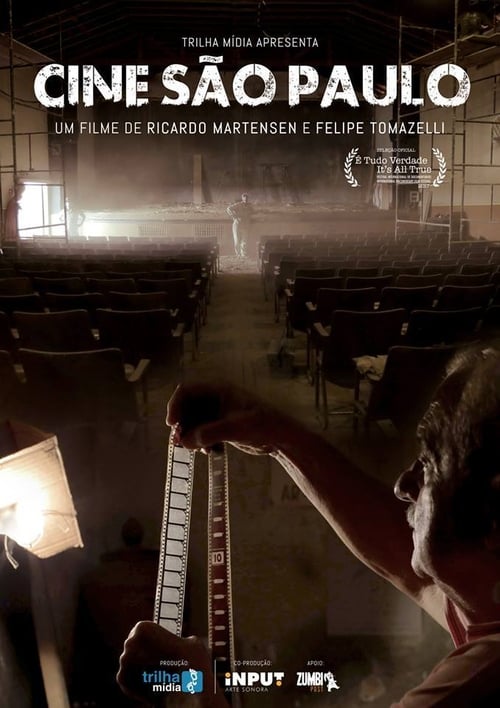
Cine São Paulo
Chico has dedicated his whole life to CINE SAO PAULO. The building, inherited from his father, is now badly deteriorated. Refurbish it, in order to make the old movie theater get back to work, becomes his great obsession.
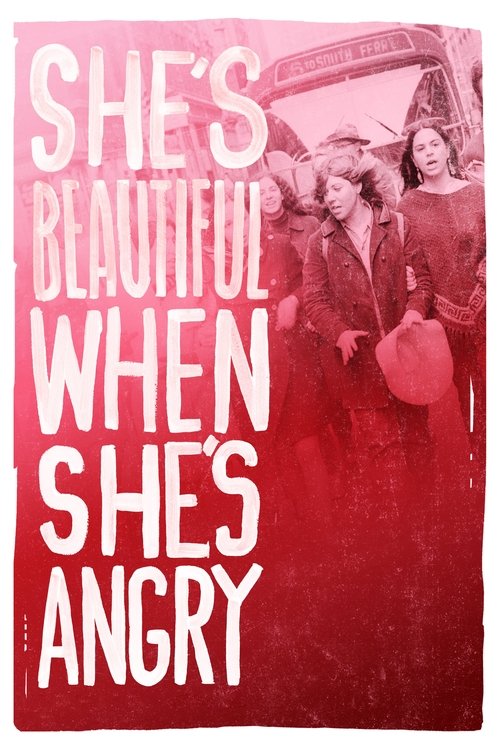
She's Beautiful When She's Angry
A documentary that resurrects the buried history of the outrageous, often brilliant women who founded the modern women's movement from 1966 to 1971.

Straight Into a Storm
A portrait of a hard rocking band known for their substance-fueled live performances on their evolutionary journey to become one of the greatest cult rock bands of our time.
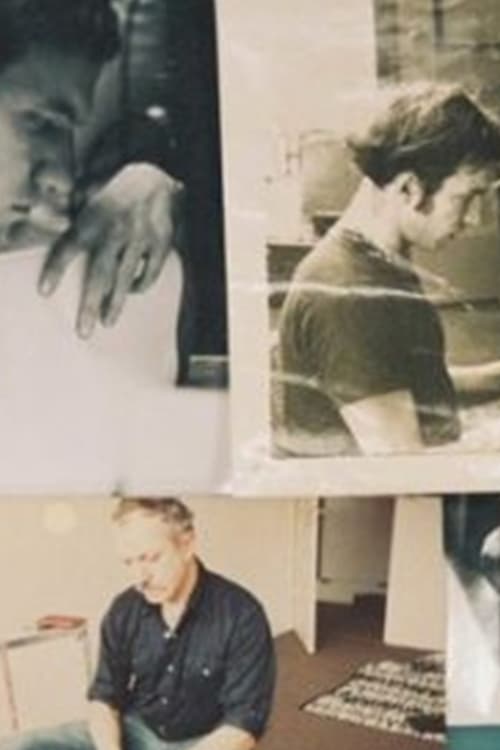
Electro-Pythagorus: A Portrait of Martin Bartlett
Electro-Pythagorus is an intimate and subjective portrait of the late Martin Bartlett, the Canadian electronic music pioneer who studied with Pauline Oliveros, David Tudor, John Cage, and Pandit Pran Nath. His contribution as an interdisciplinary composer, educator, and founding member of Western Front, though undoubtedly extensive, is in danger of being erased from cultural memory since his death from AIDS in 1993. Navigating an array of archival materials including letters, correspondences, notebooks, personal photos, and a huge body of unreleased music and field recordings held at the archives of Simon Fraser University, Electro-Pythagoras is a journey through the evolution of Bartlett’s musical time and space, softly guided by Luke Fowler’s insightful camera and montage—creating an experimental portrait that defies one-dimensionality.

Jane: An Abortion Service
This fascinating political look at a little-known chapter in women's history tells the story of "Jane", the Chicago-based women's health group who performed nearly 12,000 safe illegal abortions between 1969 and 1973 with no formal medical training. As Jane members describe finding feminism and clients describe finding Jane, archival footage and recreations mingle to depict how the repression of the early sixties and social movements of the late sixties influenced this unique group. Both vital knowledge and meditation on the process of empowerment, Jane: An Abortion Service showcases the importance of preserving women's knowledge in the face of revisionist history. JANE: AN ABORTION SERVICE was funded by the Independent Television Service (ITVS) with funds provided by the Corporation for Public Broadcasting.

Women of Today
Made on the occasion of March 8, it presents a series of brief portraits of women, from various professional fields, of different ages and even of different ethnicities, pointing out the benefits that the communist organization had brought to their daily lives. A special emphasis is placed on their status as mothers and on the role of nurseries and socialist kindergartens not only in making their lives easier, but also in giving them the time they need to build a career. Another concern of the filmmaker, starting from the concrete case of one of the protagonists, is to highlight the differences between the happy present and the not-too-distant past in which someone with her social status should have dedicated herself exclusively to raising children, in hygienic and extremely difficult lives.
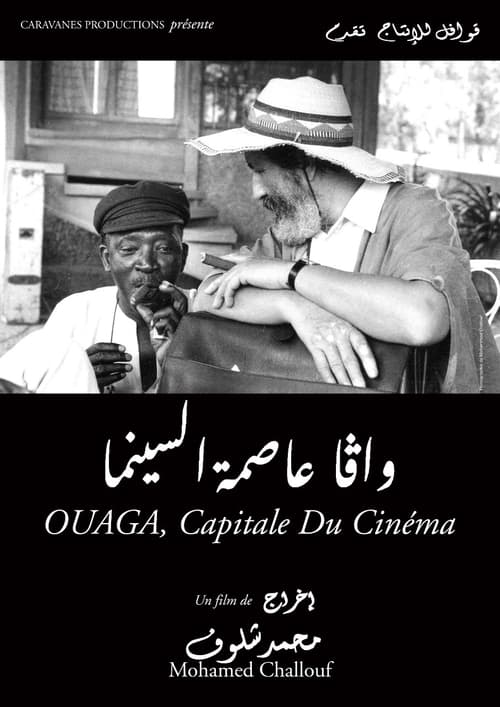
Ouaga, the Capital of Cinema
Between 1983 and 1987, Ouagadougou, the capital of Burkina Faso and the home city of FESPACO, one of the most important Pan-African film festivals in the world, was the scene of an exciting cinema utopia. With the support of the young president Thomas Sankara, the festival became a symbol of the cultural renaissance of a whole continent. The assassination of Sankara stifled the hopes of millions of young Africans, but the dynamism of FESPACO and African cinema did not stop.
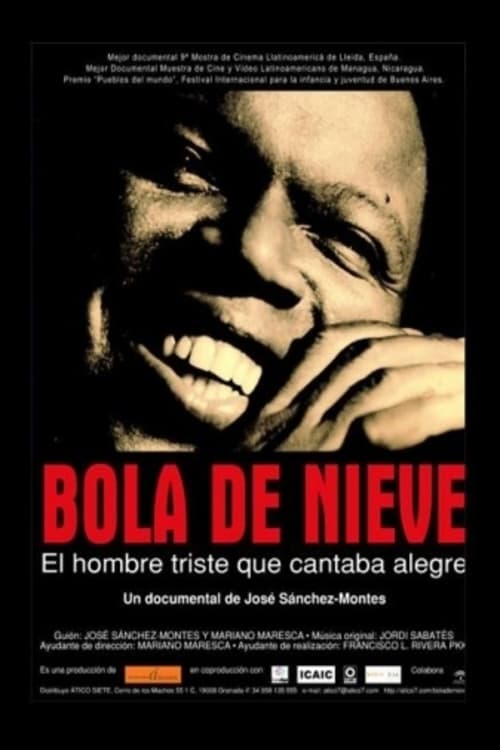
Bola de Nieve
Documentarian Jose Sanchez-Montes turns his attention towards the late Cuban musician Ignacio Villa, known throughout the world as Bola de Nieve (Snowball), with this 2003 biographical documentary entitled simply Bola de Nieve. A master pianist, Bola de Nieve was a mainstay through the middle portion of the 20th century, with his music almost omnipresent in South America cinema throughout those formative decades. With Bola de Nieve's famous statement "I'm a sad person, but my songs sound happy" in mind, Sanchez-Montes also looks at the influence of the musician's African heritage and homosexuality upon Bola de Nieve's unique musical style.
Streaming IPTV FAQ
Can I watch this title through IPTV?
Availability depends on your IPTV provider and the rights included in your subscription. This page uses TMDB data for discovery and does not host video content.