
Overview
Piel dolor (Skin Pain) explains how power is structurally sustained in violence. Its nature and the relationships it establishes in society are based more on the imposition and use of force than on building consensus, dialogue, and respect for diversity. In that sense, power is a behavior that seeks dominance through force and man as a gender, becomes an instrument of violence that is exercised against the weakest. Extinguishing the socially constructed violence means eliminating the current power and its historical sustenance, questioning the source of origin, religion, ideology, the system and its values. Is that utopia possible?
Genres
Similar titles
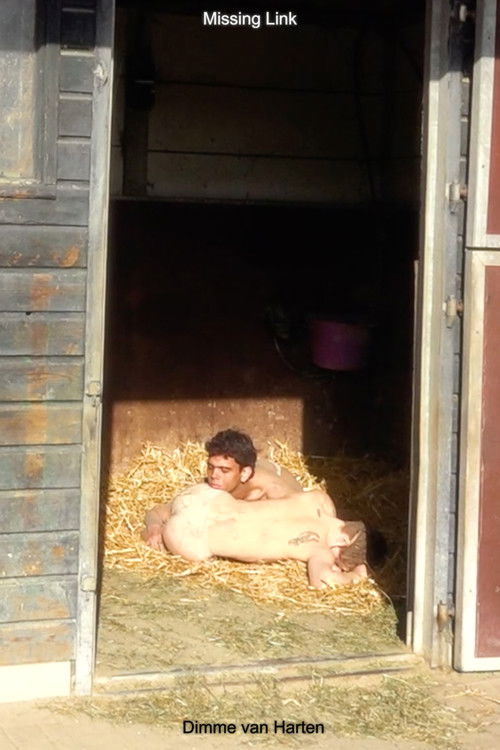
Missing Link
"Encouraged by a special encounter between myself and an animal, my research into the “humanimal” began. This is a performative exploration reflecting on the place of animals and humans in their changing relationships throughout time. The research spans from topics like the cohabitation of different human species, the prehuman, the posthuman, to domestication and the numerous animal watching webcams found in zoos and online. Missing Link reflects on the intimacy between the species and how it can be expressed through movement here and now. "
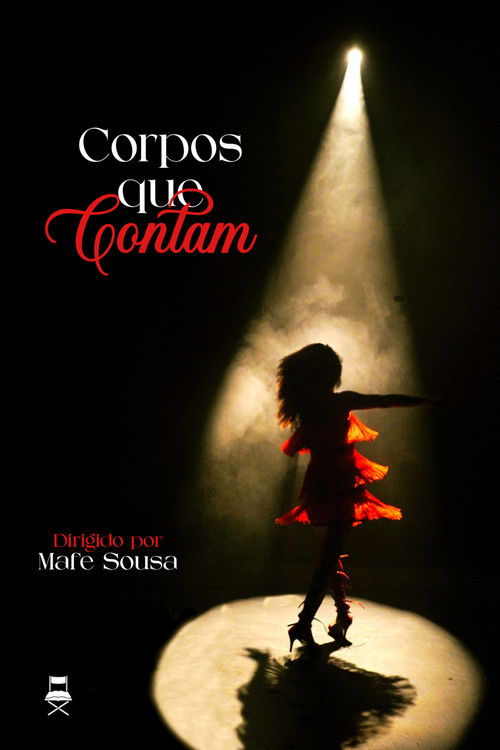
Corpos que Contam
Samba, Popping, and Jazz. Through these dance styles and documentary interviews, Bodies That Tell Stories seeks to discuss the standardization and whitening of dances that had their roots in Black people.
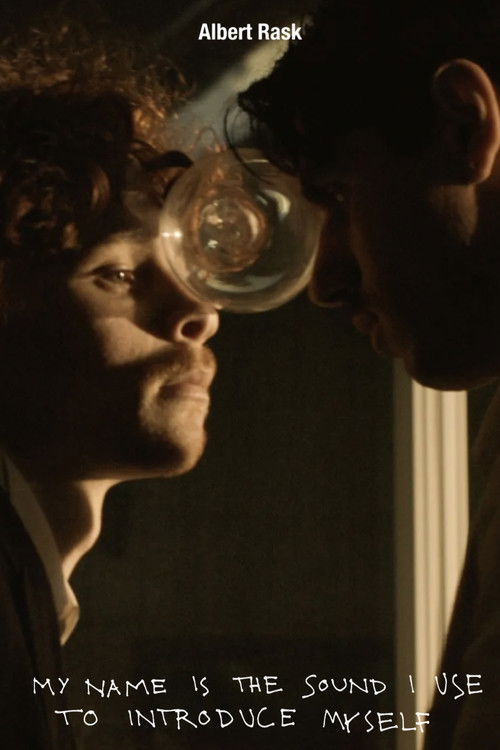
My Name Is The Sound I Use To Introduce Myself
A group of young men waltz in pairs, balancing with a glass between their foreheads. In this captivating setting, director Albert Rask crafts a new code of conduct - an allegory reflecting the experience of growing up. A playful yet poignant exploration that reframes the burdens of responsibility, expectations and the rules of adulthood.
Iraq: Children of the Crisis
Three film-makers travel to Iraq to film the ongoing crisis in which ISIS forces are trying to take over the country. The film-makers speak with locals, military, police and other media outlets to get their opinions on the crisis but it's the voices of the children which often goes unheard, so the film-makers listen to the children, and find out their views on the crisis.

How To Strip For Your Man by GiO
This sizzling video is guaranteed to add spice to your love life. In the privacy of your boudoir do something delightfully naughty but nice for yourself and your man by following the easy step-by-step moves of GiO. According to the San Diego Times Union "We learned to walk like sex goddesses, pose like sex goddesses, dress like sex goddesses…(and) how to take off (our) clothes with panache…" GiO will put it all together for you and teach you everything you always wanted to know about striptease.
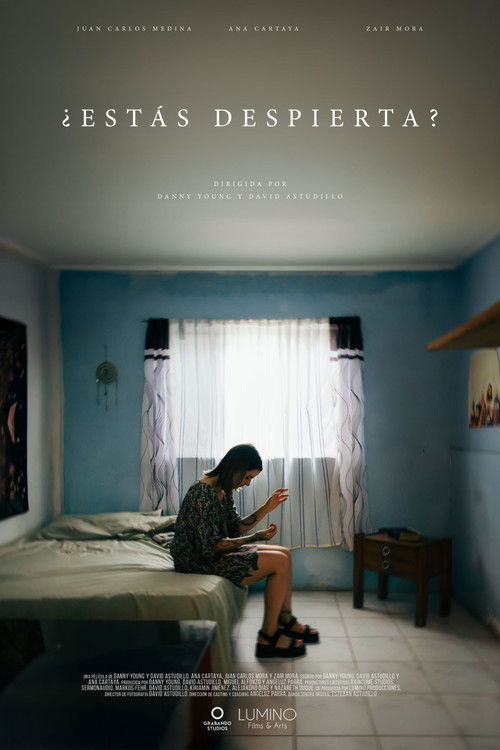
Are You Awake?
After seeking transcendence through shamanic rituals, Ana’s life is transformed overnight by an unexpected turn toward faith.

Slow, une histoire d'amour
Slow, une histoire d'amour
Martha Graham: The Dancer Revealed
Released on DVD as part of The Criterion Collection's "Martha Graham: Dance on Film" collection.
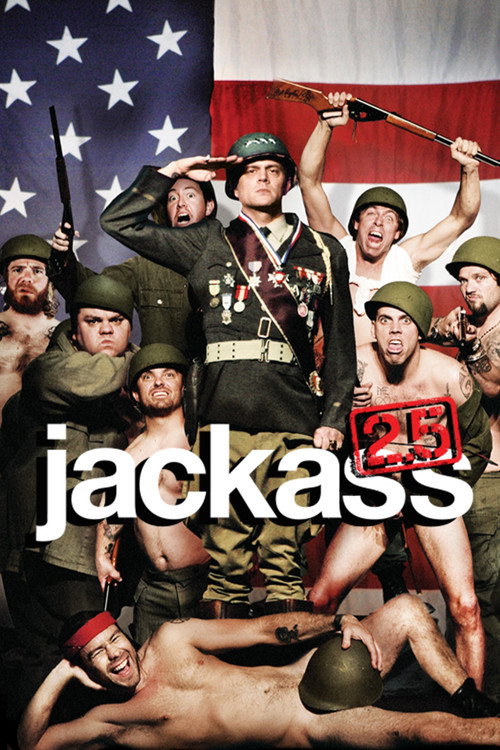
Jackass 2.5
The crew have now set off to finish what as left over from Jackass 2.0, and in this version they have Wee Man use a 'pee' gun on themselves, having a mini motor bike fracas in the grocery mall, a sperm test, a portly crew member disguised as King Kong, as well as include three episodes of their hilarious adventures in India.
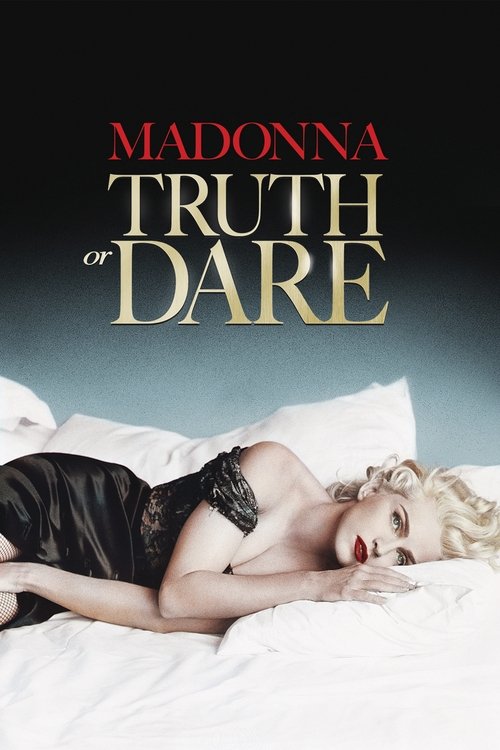
Madonna: Truth or Dare
From the rains of Japan, through threats of arrest for 'public indecency' in Canada, and a birthday tribute to her father in Detroit, this documentary follows Madonna on her 1990 'Blond Ambition' concert tour. Filmed in black and white, with the concert pieces in glittering MTV color, it is an intimate look at the work of the icon, from a prayer circle before each performance to bed games with the dance troupe afterwards.
Streaming IPTV FAQ
Can I watch this title through IPTV?
Availability depends on your IPTV provider and the rights included in your subscription. This page uses TMDB data for discovery and does not host video content.